
Clinically reviewed by Dr. Ponlawat Pitsuwan, Physician, Doctor Samui.
Last reviewed: November 2026
Insulin exposed to temperatures above 37°C can lose potency even if it looks unchanged. On Koh Samui, where ambient temperatures regularly reach 32-35°C and direct sun pushes far higher, your pen or vial needs active protection from the moment you land. Carry a FRIO cooling wallet or insulated case, never leave insulin in a bag on the beach or in a parked vehicle, and check for cloudiness or clumping before every dose.
You peel off your wetsuit after a snorkel at Chaweng reef and reach into your beach bag for your insulin pen. It has been sitting there for two hours in 34°C heat. It looks fine. That is exactly the problem. Heat damage does not always show, and by the time your numbers start behaving strangely, the insulin has already been compromised for hours.
Managing insulin travel in Thailand takes a different kind of planning than a trip to a cooler destination. The heat is constant, the activities are physical, the nights often involve alcohol, and your nearest endocrinologist is on the mainland. The good news is that travelling here with insulin is very manageable with the right preparation. This guide covers what actually matters on Koh Samui.
Keeping Your Insulin Cool on Koh Samui
Insulin potency can drop when stored at temperatures significantly above 37°C, or at 37°C for prolonged periods. A 2023 Cochrane review found no clinically relevant loss in human insulin held at up to 37°C for up to two months, but temperatures far above that, such as those inside a bag left in direct sun or a parked car, pose a real risk. Insulin analogue stability varies, so check your product’s labelling for specific limits. On Samui, a bag left on the beach, a hire car with the windows up, or a sunlit villa windowsill can hit temperatures far above that. Your hotel room air conditioning is not always reliable either. Never count on passive cooling.
A FRIO cooling wallet uses water-activated crystals to keep insulin between roughly 18 and 26°C for at least 45 hours without electricity, and can be recharged in cold water in under five minutes to extend that protection. It is the most practical tool for Samui’s conditions. If you use an electric travel cooler, confirm you have the right plug adapter for Thailand (Type A, B, or C sockets depending on your accommodation) before you rely on it.
Your hotel fridge works for overnight storage. Keep your insulin away from the ice compartment. Frozen insulin cannot be used safely. Pack it in the main body of the fridge, ideally in its original box to protect it from moisture.
The signs that insulin has degraded: a normally clear insulin looks cloudy, discoloured, or has visible particles. A normally cloudy insulin such as NPH has clumps that do not break up with gentle rolling. If you see any of these, do not use it.
One more thing worth knowing. Even insulin that appears unchanged may absorb faster in tropical heat because blood flow to injection sites increases in warm skin. Check your glucose more often than usual, especially in your first few days on the island.
Flights and Time Zones: Insulin Travel in Thailand
Koh Samui sits in UTC+7. For most travellers flying from Europe or North America, that is a significant time shift. Long-acting insulin timing is what usually needs adjustment.
The general principle most endocrinologists apply: flying east shortens your day, so a slightly smaller long-acting dose on travel day may be appropriate. Flying west lengthens it, and a slightly larger dose may be needed. This is a broad principle, not a formula. Agree on a specific travel-day plan with your own doctor before you fly. Do not adjust doses based on generic advice alone.
Keep insulin in your carry-on. Aircraft hold temperatures drop to levels that can freeze insulin. Airline security in Thailand and most departure countries allows insulin, pens, and needles with documentation. A signed letter from your physician on clinic letterhead, with original pharmacy packaging, is worth carrying. If your documentation is queried at Samui Airport or Suvarnabhumi, Doctor Samui can help you obtain a local supporting prescription.
Set an alarm for your usual home-time dose on day one. Do not rely on guesswork when you are jet-lagged and already adjusting to heat.

Hypos in Heat, Water and After a Night Out
Hypoglycaemia is harder to catch on Samui than at home. Flushing, sweating, and mild confusion are also symptoms of heat exhaustion. On a boat back from Angthong Marine Park, or after a waterfall hike at Na Muang, the two look almost identical. If you are not sure, treat it as a hypo first and check your glucose as soon as you can.
Alcohol raises this risk in a specific way. When the liver is busy clearing alcohol it cannot release stored glucose at the same rate, which can lead to a delayed low several hours after drinking, including the following morning. Alcohol can also impair your ability to notice early hypo symptoms. A nightcap on the beach followed by sleep without a glucose check is how overnight hypos happen. Check your blood sugar before you go to bed after any night out.
Water sports add another layer. Diving, snorkelling, or paddleboarding accelerates insulin absorption and burns through glucose faster than a walk on the beach. Eat a carbohydrate snack before entering the water, check your blood sugar immediately before, and keep fast-acting glucose accessible on the boat or shore.
If you get sick with traveller’s diarrhoea, never stop your insulin. Illness raises blood glucose even when you are eating less. Check your levels every few hours, stay hydrated with oral rehydration salts, and eat small amounts of easily digestible carbohydrate if you can. Doctor Samui does 24/7 house calls, so you do not need to manage a glucose emergency and a taxi to the hospital at the same time.
Local Insulin Supplies on Samui
Pharmacies in Chaweng, including Boots on the main strip, stock some insulin brands. Human insulins and certain analogue types are generally available. Your specific brand or analogue may not be. Insulin pump cartridge formats are especially unlikely to be in stock.
Thailand requires a prescription for insulin in most cases. A pharmacy may dispense a small emergency amount at their discretion, but this is not guaranteed. If you run out or lose your supply, visit a clinic first, not a pharmacy. Doctor Samui can assess your situation, issue a local prescription, and advise on suitable available brands if a substitution is needed.
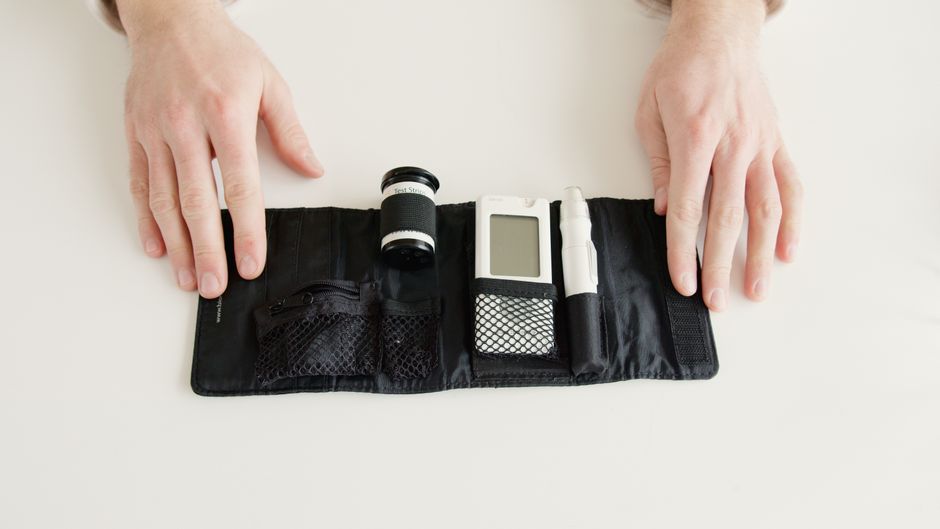
Do not arrive on the island with a one-day buffer. Bring at least double your expected supply, plus spares for pens, needles, test strips, and your glucometer. High humidity on Samui, often 80 to 90 percent, can affect CGM patch adhesion, so bring extra adhesive overlays if you use a continuous glucose monitor. Batteries for your glucometer or CGM reader should be in your bag before you leave home.
If you need same-day help with insulin storage, a prescription, or any diabetes-related concern, walk in to Doctor Samui’s Chaweng clinic or call for a hotel visit at any hour. For guests staying further around the island, house call services reach Lamai, Maenam, Bophut, and beyond. If you are travelling with travel insurance, cashless treatment at the clinic is available without paperwork delays.
Travelling to Koh Samui with insulin and need advice, a prescription, or urgent help? Doctor Samui is a walk-in clinic in Chaweng with 24/7 hotel and villa visits across the island. We can assess your insulin supply, issue a local prescription, run a blood glucose check, or manage a hypoglycaemia episode at your accommodation. No appointment needed. English, German, and Hebrew speaking staff available.
Frequently Asked Questions
Dr. Ponlawat Pitsuwan
Physician, Doctor Samui
a walk-in clinic based in Chaweng, Koh Samui, with 24/7 hotel and villa visits across the island. He sees tourists, families, and long-stay expats for diabetes-related concerns including insulin emergencies, travel prescription support, and management of illness complications in patients on insulin therapy. His focus is straightforward, evidence-based care delivered in plain language.
References
- Feckner S et al. Thermal stability and storage of human insulin. Cochrane Database of Systematic Reviews, 2023.
- FRIO UK. What temperature does the FRIO maintain? FRIO product FAQ.
- Steiner JF. How safe is alcohol for patients with diabetes? Patient Care Online / Consultant360, clinical review.
- Yardley JE, Sigal RJ et al. Exercise and hypoglycemia in type 1 diabetes. PMC review, 2016.
- Koivisto VA, Felig P. Alterations in insulin absorption and in blood glucose control associated with varying insulin injection sites in diabetic patients. Annals of Internal Medicine, 1980. Cited in PMC3230259.
The information in this article is for educational purposes only and does not constitute medical advice. It should not be used to self-diagnose or replace a consultation with a qualified physician. If you have concerns about your health, contact a licensed medical professional. For appointments at Doctor Samui, visit doctorsamui.com.
