
Clinically reviewed by Dr. Ponlawat Pitsuwan, Physician, Doctor Samui.
Last reviewed: November 2026
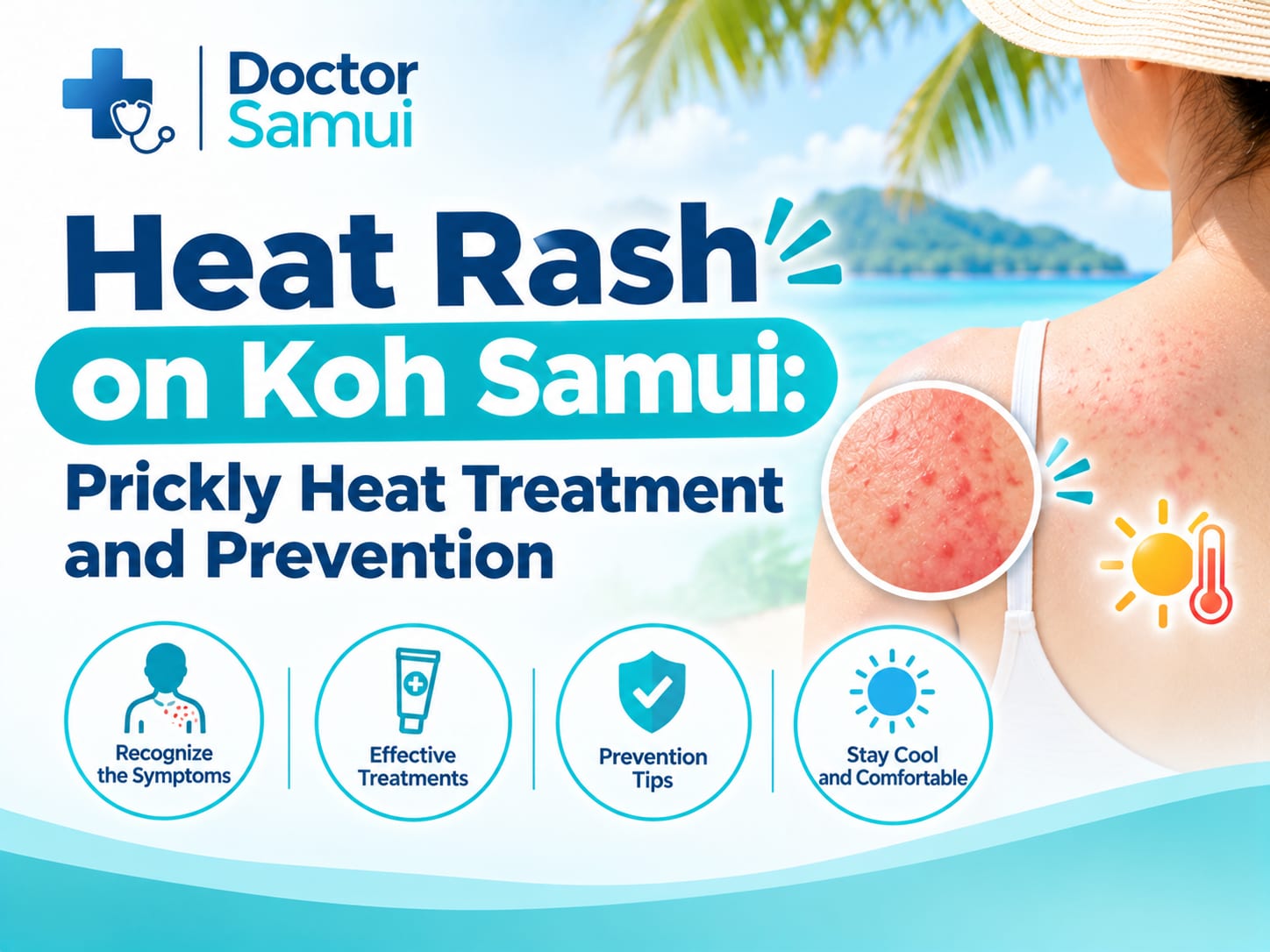
Heat rash, or prickly heat, happens when sweat ducts get blocked and sweat leaks under the skin. On Koh Samui, the combination of high humidity, saltwater residue, and sunscreen left on skin makes it very common. Most cases clear up with cooling and loose clothing within a few days. If the rash spreads, blisters, or comes with fever, get it checked.
You peel off your rashguard after a snorkel trip near Chaweng reef and there it is: a patch of red, prickling bumps across your chest and under your arms. It stings in the shower and it is worse at night when the fan is not quite enough. That is prickly heat, and in Samui’s humidity it can go from mild to miserable fast.
Most cases respond to simple cooling within a few days. The harder part is knowing when it is just sweat-duct irritation and when it needs a doctor. This article covers both.

What Heat Rash Looks Like
Not all heat rash is the same. The type you have tells you whether home care is enough or whether you need a prescription.
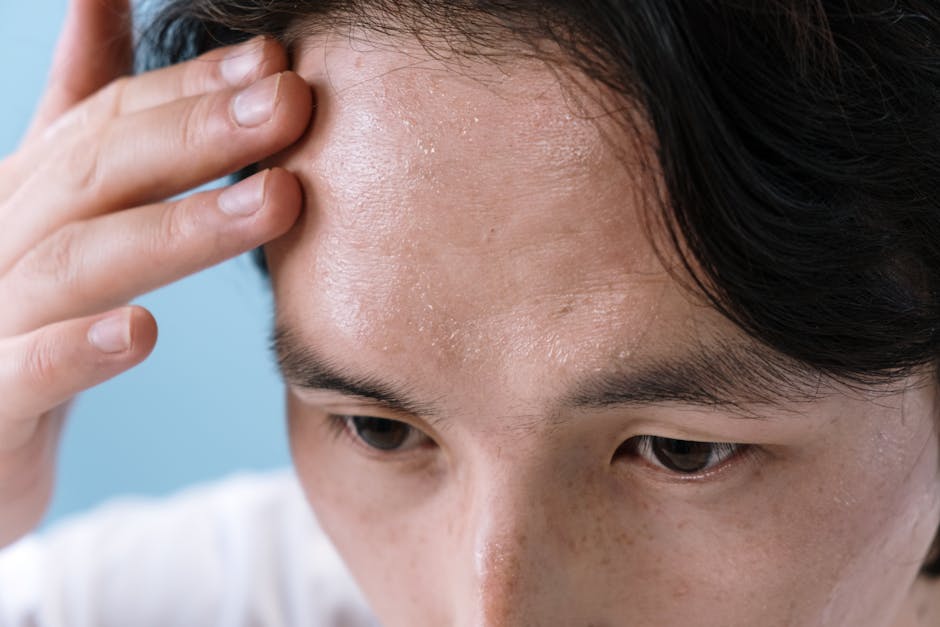
Miliaria crystallina is the mildest form. Tiny, clear, fragile blisters appear on the skin surface with no redness and no itch. They burst easily and usually clear in a day or two. This is common after lying in the sun or sleeping without air conditioning.
Miliaria rubra is what most people mean by prickly heat. Red, itchy bumps that sting and prickle, usually in skin folds: under the arms, across the chest, in the groin, behind the knees. This is the type that makes a hot Samui afternoon genuinely miserable. It can last several days if you stay in the heat.
Miliaria profunda tends to affect people who have had repeated heat rash. The bumps are flesh-coloured, deeper, and often not itchy. The concern here is that blocked sweat glands can reduce your body’s ability to cool itself. If you think you have this type, see a doctor rather than waiting it out.
Why Koh Samui’s Humidity Triggers Heat Rash
Even in the dry season, humidity on Koh Samui regularly sits above 70 percent. When the air is already saturated, sweat cannot evaporate from your skin the way it normally would. It backs up. The tiny openings in your sweat glands get blocked by dead skin cells, saltwater residue, or sunscreen sitting on the surface.
Sweat then leaks into surrounding skin tissue instead of reaching the surface. That leak causes inflammation, and inflammation causes the itch and redness. In Samui’s heat, this cycle is easy to trigger and hard to break if you stay outdoors all day.
Wetsuits and rashguards make it worse. The friction and trapped moisture during a dive or snorkel session are exactly the right conditions for miliaria rubra. If you are doing multiple days of water activities, rinse off immediately after every session and let your skin breathe in air conditioning before suiting up again.
Home Treatment for Prickly Heat in Thailand
The single most effective step is to get out of the heat and stay cool. Air conditioning is not a luxury here, it is treatment. Cooler skin sweats less, blocked ducts open up, and the rash usually starts to improve within 24 to 48 hours.
Cool showers help, but skip soap on affected areas temporarily. Soap can irritate already inflamed skin. Pat dry gently, do not rub.
Snake Brand Prickly Heat Cooling Powder is on the shelf at every pharmacy on the island. It is menthol-based, absorbs moisture, and reduces friction in skin folds. Calamine lotion works similarly and is also easy to find. Chlorphenamine, an oral antihistamine available without a prescription at Thai pharmacies, can help reduce the itch enough to let you sleep.
Hydrocortisone 1% cream, also available over the counter, can reduce inflammation in mild to moderate miliaria rubra. If you have been cooling down and using over-the-counter products for three to four days with no improvement, that is the right time to come in. Doctor Samui can prescribe stronger treatments at the Chaweng clinic or during a hotel visit. Loose cotton or linen clothing makes a real difference too. Synthetic fabrics trap heat against the skin and keep the cycle going.
When a Rash Is Something Else
Beach wisdom gets this one wrong. Not every red rash in Thailand is prickly heat, and treating the wrong thing delays the right care.
Scratching miliaria rubra in Samui’s humid heat can break the skin and allow bacteria in. Signs that this has happened: pustules forming in the rash, redness spreading outward from the original area, skin feeling warm and swollen, or any fever. If you see these, the rash needs antibiotics, not cooling powder. You can find out more about identifying different rashes at our skin rash guide for Koh Samui.
Dengue is endemic on Koh Samui. The dengue rash usually appears around days three to six of fever, is often described as a maculopapular eruption on the trunk and limbs, and may or may not itch. Heat rash appears on sweaty skin folds, is very itchy, and relieves with cooling. The key distinction is fever. If there is any fever alongside your rash, do not self-treat and do not wait. Get a blood test the same day.
A blanchable rash turns white when you press it and returns to red when you release. Most heat rashes are blanchable. A rash that stays red when pressed needs same-day assessment.
Scabies, contact dermatitis from sunscreen or pool chemicals, and early shingles can all look like heat rash at first glance. If the rash does not follow the pattern above, or is not improving after a few days of proper cooling, come in and let us take a look. Doctor Samui’s walk-in clinic in Chaweng is open daily. If you are staying in Lamai, Bophut, Maenam, or Choeng Mon, 24/7 hotel and villa visits are available across the island.
For families travelling with young children: babies and toddlers get heat rash more easily because their sweat glands are still developing. It tends to appear on the neck, chest, and in nappy folds. Keep the room cool, dress them in loose cotton, and avoid heavy moisturisers that can block pores further. If a child has had a rash for more than three to four days, is scratching until the skin breaks, or has any fever, see a doctor rather than managing it alone on holiday. Our allergy and skin rash service covers children and adults.
If your heat rash is not improving after a few days, is spreading, showing signs of infection, or you are not sure what it is, Doctor Samui can assess it the same day. Walk into the clinic in Chaweng, or book a 24/7 hotel or villa visit anywhere on the island. We carry prescription-strength creams and can run a dengue test on the spot if there is any fever. No appointment needed.
Frequently Asked Questions
Dr. Ponlawat Pitsuwan
Physician, Doctor Samui
a walk-in clinic based in Chaweng, Koh Samui, with 24/7 hotel and villa visits across the island. He sees tourists, families, and long-stay expats for skin rashes, tropical infections, and common holiday illnesses including heat-related conditions. His focus is straightforward, evidence-based care delivered in plain language.
References
- Leow MQ et al. Miliaria. StatPearls Internet. Treasure Island (FL): StatPearls Publishing; 2023.
- NHS. Heat rash (prickly heat). NHS UK, 2023.
- Restrepo MI, Vergara JM. Cutaneous manifestations of dengue fever. PMC, 2010.
- VisualDx. Dengue fever: clinical features and rash. VisualDx, 2024.
- DermNet NZ. Miliaria. DermNet, 2023.
- WHO. Dengue and severe dengue. World Health Organization, 2024.
The information in this article is for educational purposes only and does not constitute medical advice. It should not be used to self-diagnose or replace a consultation with a qualified physician. If you have concerns about your health, contact a licensed medical professional. For appointments at Doctor Samui, visit doctorsamui.com.
