Clinically reviewed by Dr. Ponlawat Pitsuwan, Physician, Doctor Samui. Last reviewed: September 2026
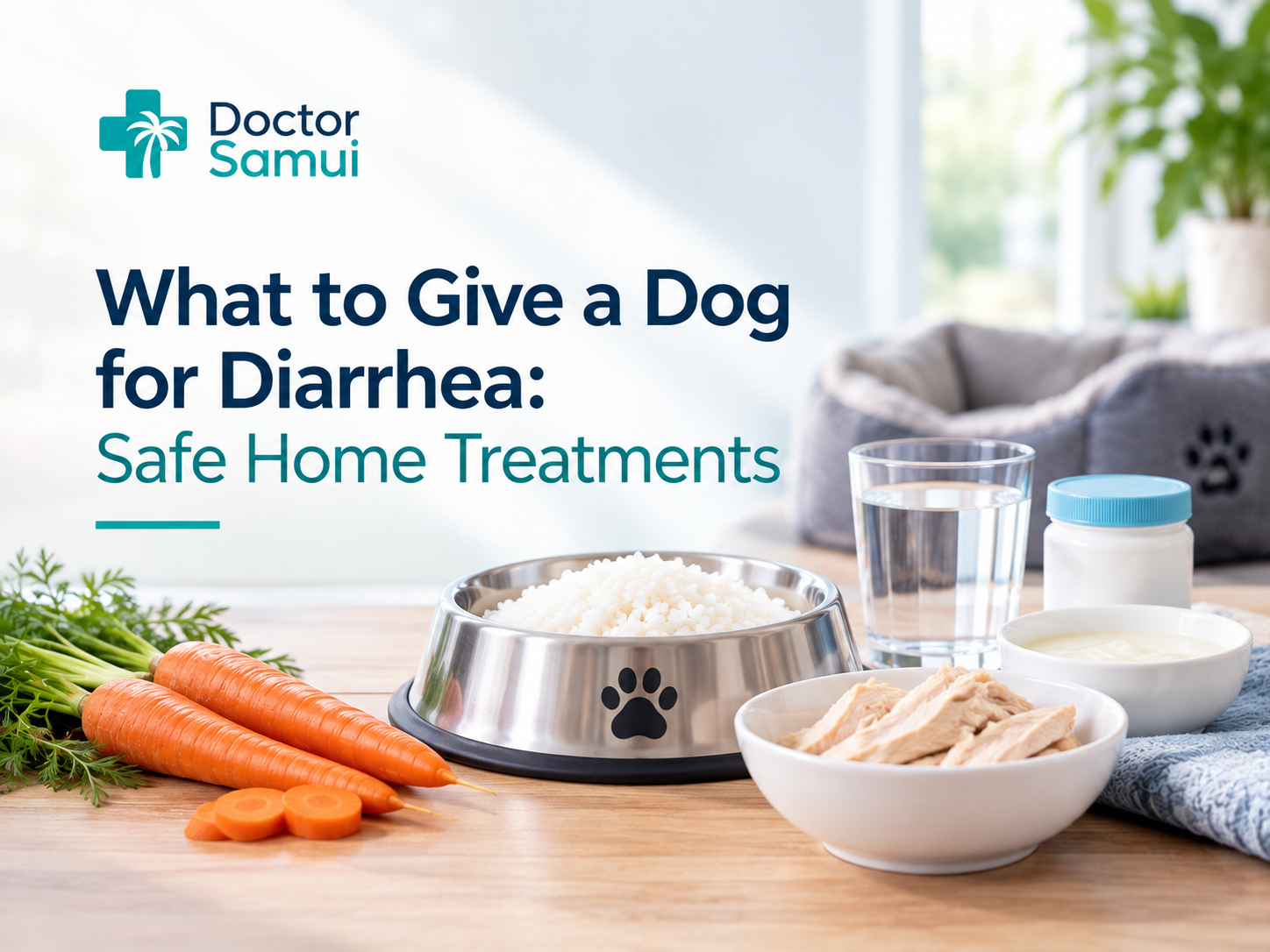
For mild diarrhea in a healthy adult dog, a short fast followed by small meals of boiled chicken and white rice is the most reliable starting point. Keep fresh water available at all times. If diarrhea is bloody, your dog is vomiting, or symptoms last more than 48 hours, skip the home remedies and see a vet the same day.
Your dog squatted three times on the walk back from the beach, and now you are staring at loose stool wondering whether this is a one-day blip or something that needs a vet. If your dog is otherwise acting normal, drinking water, and has no blood in the stool, you have a window to manage this at home. Most acute diarrhea in healthy adult dogs resolves within 24 to 48 hours with the right approach.
The tricky part is knowing what actually helps versus what makes things worse. Some things people reach for first, including human medications from the hotel minibar, can cause real harm. This guide covers what to give, what to avoid, and when home treatment is not enough.
What Causes Dog Diarrhea, Including Travel and Stress Triggers
The most common cause is simple: your dog ate something it should not have. A scrap off the street, a new food brand, a rich treat, or something scavenged on a walk can all trigger a loose stomach.
Stress is a bigger trigger than most owners realise. A long flight, a new environment, or a change in routine can all upset a dog’s gut. Dogs arriving in Koh Samui after a journey often develop loose stools within the first day or two, even if they ate nothing unusual. This usually settles once the dog acclimatises.
Other causes include intestinal parasites, bacterial infections, and sudden diet changes. If diarrhea keeps coming back after it seems to resolve, that pattern needs a proper vet workup rather than more home treatment.
How and When to Fast a Dog with Diarrhea Safely
A short fast gives the gut a rest and is often the single most effective first step. For a healthy adult dog, 12 hours without food is usually enough. Some vets extend this to 24 hours when vomiting accompanies the diarrhea.
Do not fast puppies under three months, senior dogs, very small breeds, or any dog with diabetes or a known health condition. These animals need calories to stay stable, and fasting can cause dangerous drops in blood sugar.
Always keep fresh water available throughout. Fasting means no food, not no water.

Safe Foods to Give a Dog with Diarrhea
Boiled chicken breast with plain white rice is the most vet-recommended starting point. It is easy to digest, low in fat, and gives the gut almost nothing to react to. Aim for roughly one part chicken to two parts rice, with no seasoning, no oil, and no skin.
Plain canned pumpkin, not pie filling, can help firm up loose stools when added to the rice and chicken mix. If you are in Koh Samui and cannot find it, do not worry. The bland diet alone works well.
Probiotics made for dogs, such as FortiFlora or Proviable, can help restore healthy gut bacteria during and after a diarrhea episode. Human probiotics are not a direct substitute and are not recommended. Psyllium husk, a soluble fibre, can also firm up stools in some dogs when mixed into food. Ask a vet for the right dose for your dog’s size before trying it.
Keeping Your Dog Hydrated During Diarrhea
Fluid loss through diarrhea is the main clinical risk, and in Koh Samui’s heat, dehydration escalates faster than it would in a cooler climate. Offer fresh water frequently and watch how much your dog is actually drinking.
Signs of dehydration include dry or sticky gums, skin that stays tented when gently pinched rather than snapping back, sunken eyes, and lethargy. If you see any of these, do not wait.
A small amount of plain, low-sodium broth added to the water bowl can encourage reluctant drinkers to take in more fluid. Avoid any broth with onion, garlic, or added seasoning, as these are toxic to dogs.
Human Medications to Never Give a Dog with Diarrhea
This is where people cause the most unintentional harm. Beach wisdom gets this one wrong, and it can make things worse.
Pepto-Bismol contains bismuth subsalicylate, a compound that can cause toxicity in dogs with repeated doses. Do not give it.
Imodium carries a separate and serious risk. Dogs with the MDR1 gene mutation, common in Collies, Australian Shepherds, Shelties, and related herding breeds, cannot process loperamide safely. It can cause neurological effects. Even in dogs without this mutation, Imodium can trap harmful substances inside the gut rather than letting the body clear them. Neither medication should be given without direct veterinary guidance. If you are in Koh Samui without access to your usual vet, the team at Doctor Samui can advise before you reach into the medicine cabinet.
How to Feed a Dog Recovering from Diarrhea
Once stool starts firming up, do not immediately switch back to the regular diet. That is one of the most common reasons diarrhea returns.
Start with three to four small meals of bland food per day rather than one or two larger ones. After 48 hours of consistently firmer stools, begin mixing in a small amount of regular food alongside the bland diet. Increase the regular food slowly over three to five days until you are fully back to normal.
If diarrhea returns at any point during the transition, go back to the bland diet for another 24 hours before trying again.
Red Flag Signs That Need a Vet, Not Home Treatment
Bloody or very dark stool is not a wait-and-see situation. Bright red blood suggests lower intestinal bleeding. Very dark, tarry stool suggests bleeding higher up. Both need same-day assessment.
Diarrhea combined with vomiting, especially if your dog cannot hold down water, raises the risk of rapid dehydration and possible obstruction. A dog that is lethargic, not drinking, or showing signs of abdominal pain should not be managed at home regardless of how the stool looks.
Puppies and senior dogs deteriorate faster than healthy adults. The 48-hour home-treatment window does not apply to them. If a puppy has diarrhea and is not eating, seek care much sooner.
Dogs in Koh Samui and Tropical Environments
Dogs living on or visiting Koh Samui face a set of triggers that are easy to overlook. Parasite exposure from outdoor environments is higher in tropical climates. Street food scraps, unfamiliar local ingredients, and humidity-related bacterial growth in food bowls all add up. A dog that seemed fine at home can have an unsettled gut within days of arriving on the island.
The heat also changes the timeline. Dehydration that might take a full day to develop in a cooler climate can develop in a few hours here. If your dog has had diarrhea since morning and it is now a hot afternoon, reassess sooner rather than later. Our diarrhea treatment page has more context on when home management is enough and when clinical care makes sense.
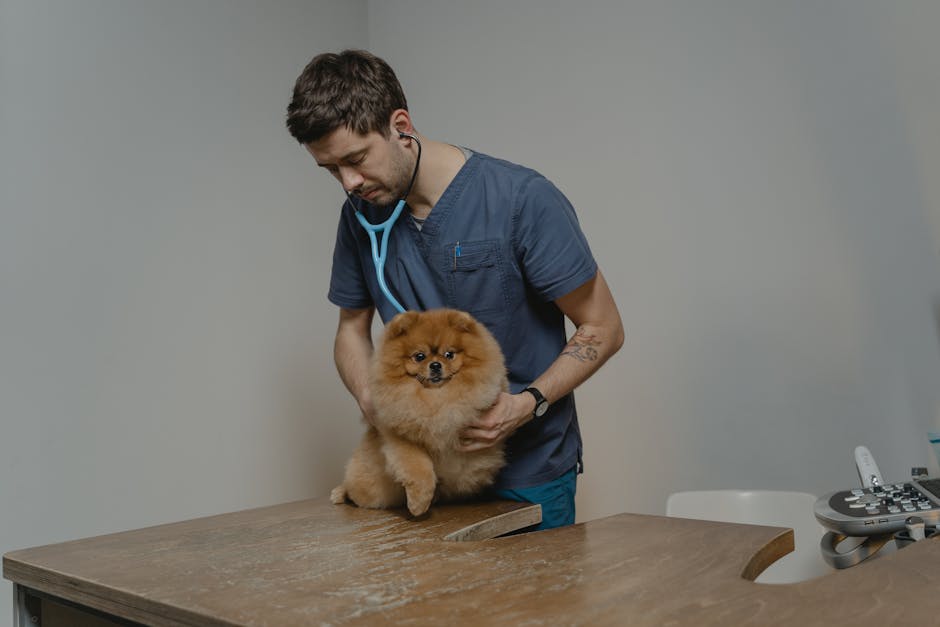
Doctor Samui’s clinic in Chaweng and our 24-hour hotel and villa visit service across the island means you do not have to figure this out alone. If your dog is deteriorating and you are unsure what to do, reach out and we can advise on next steps, including whether IV fluids are needed.
Need help now? If your dog has diarrhea that is not improving, involves blood, or is accompanied by vomiting or lethargy, Doctor Samui can help. We offer walk-in consultations at our Chaweng clinic and 24-hour hotel and villa visits across Koh Samui, including Lamai, Bophut, Maenam, Choeng Mon, and beyond. Our team can advise on rehydration, whether your dog needs IV fluids, and what to watch for overnight. Contact us before the situation gets worse.
Frequently Asked Questions
Dr. Ponlawat Pitsuwan
Physician, Doctor Samui
a walk-in clinic based in Chaweng, Koh Samui, with 24-hour hotel and villa visits across the island. He sees tourists, families, and long-stay expats for gastrointestinal illness, tropical infections, and general acute care, including pet health consultations for owners managing sick animals in a tropical environment. His focus is straightforward, evidence-based care delivered in plain language.