Clinically reviewed by Dr. Ponlawat Pitsuwan, Physician, Doctor Samui. Last reviewed: September 2026
Toddler diarrhea on Koh Samui can be a simple dietary reaction or a sign of a bacterial infection picked up from food or water. In the island’s heat, dehydration in young children moves faster than at home. Watch for sunken eyes, dry mouth, no wet nappy in eight hours, or a child who is unusually drowsy. If any of those appear, get medical help the same day.
It is night two of your Koh Samui holiday. Your two-year-old has been to the toilet three times since dinner, and now you are Googling symptoms at midnight while your partner checks the hotel minibar for bottled water. This is one of the most common calls we get at Doctor Samui, and most cases in toddlers are manageable. The harder part is knowing which ones need a doctor fast.
Diarrhea in toddlers on holiday is not the same as diarrhea at home. The cause is often different, the heat makes dehydration set in faster, and you do not have your usual GP a ten-minute drive away. This guide covers what is actually going on, what to feed your child, and exactly when to stop waiting and get help.
Two Very Different Problems That Look the Same
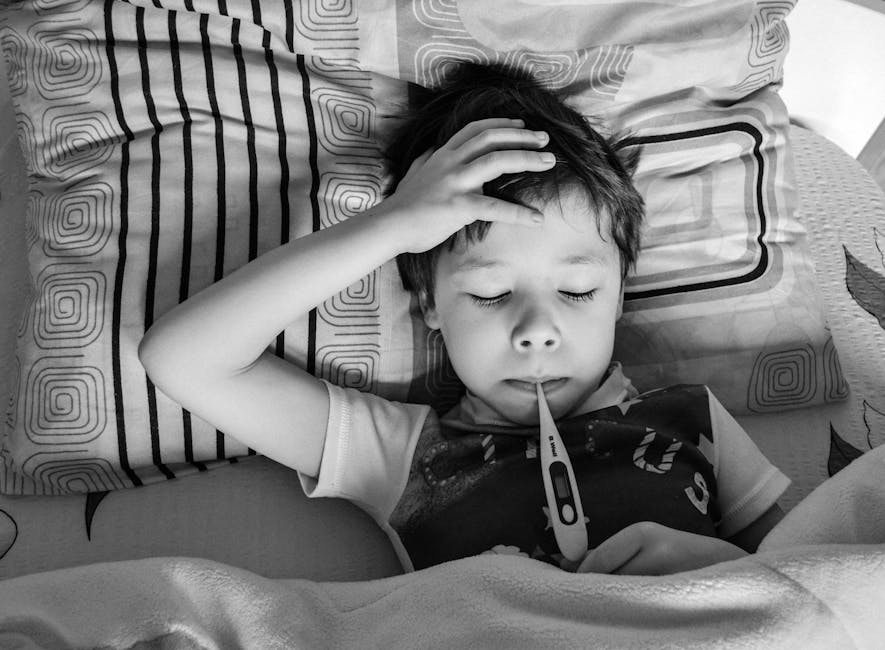
Classic toddler diarrhea, what doctors call functional diarrhea, is a pattern seen in children aged one to five. The child has loose stools, sometimes several times a day, but is otherwise well. They are eating, playing, and growing normally, with no fever, no blood in the stool, no vomiting. This is a gut maturity issue, often made worse by too much fruit juice, low dietary fat, or high fluid intake.
Travel-acquired diarrhea is a different problem entirely. In Koh Samui, this is usually caused by bacteria or a virus picked up through food or water. It comes on quickly, often with vomiting, fever, or cramping. This is the version that needs a clinical assessment and sometimes a stool test or antibiotics.
The distinction matters because the treatment is completely different. Functional toddler diarrhea needs diet adjustment. Infectious diarrhea may need more than that.
Why Koh Samui Changes the Risk for Toddlers
At home, mild diarrhea in a toddler is usually a wait-and-watch situation. Here, the tropical heat and humidity shift that calculation. When the temperature sits at 33 to 35 degrees, small children lose fluid through sweat as well as loose stools. Dehydration develops faster than parents expect, especially in a toddler who is already fussier than usual about drinking.
Tap water in Koh Samui is not safe to drink. Even in good hotels and villas, tap water should not go near your toddler’s mouth, not for drinking, not for cleaning fruit, not for rinsing a sippy cup. Use bottled water for everything. If you are unsure about the ice in a drink, skip it. These are not overcautions on Samui. They are the difference between one bad day and a week-long infection.
What Is Actually Causing the Toddler Diarrhea?
For toddlers already prone to loose stools at home, holiday foods can make things worse fast. Fruit juice, sweet drinks, and high-sugar snacks speed up gut transit. A day of mango, watermelon, and coconut water, all perfectly healthy on their own, can tip a sensitive toddler gut over the edge.
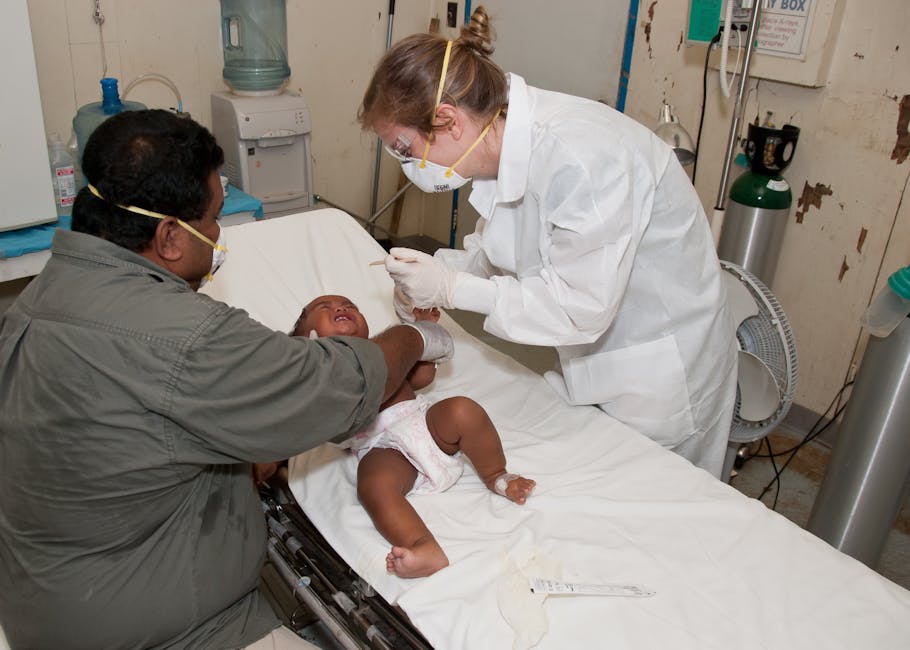
Infectious causes are common on the island. Norovirus spreads easily in hotel environments and beach clubs. Bacterial gastroenteritis, often from undercooked seafood or shared buffet food, hits harder and faster. Parasites are less common but possible if water hygiene was poor. Families arrive at our Chaweng clinic convinced it was just holiday food, only for a stool test to come back showing a bacterial infection that needs treating.
Dehydration Signs Every Parent on Koh Samui Needs to Know
This is the section that matters most. A toddler can go from mildly unwell to seriously dehydrated in a few hours in this climate.
Watch for a dry mouth and no tears when crying. Sunken eyes are a serious sign. A child who has not had a wet nappy or been to the toilet in eight hours is a clinical red flag. Unusual drowsiness, limpness, or a child who just does not seem right all warrant same-day medical review, not a wait-and-see approach.
Mild dehydration means your child is thirsty and a little fussier than usual. Moderate means dry mouth, no tears, and fewer wet nappies. Severe dehydration in a toddler is an emergency. Do not manage that at home.
What to Feed a Toddler with Diarrhea on Holiday
The old BRAT diet (bananas, rice, applesauce, toast) is outdated as a sole approach. What actually works is continuing a varied, age-appropriate diet with a focus on easy-to-digest foods. The gut heals faster when it keeps working gently.
Plain boiled rice is everywhere in Koh Samui. Khao tom, Thai rice soup, is on the menu at almost every local restaurant and easy to order mild with no spice. Ripe banana is easy to find and gentle on the stomach. Plain scrambled egg, toast, and steamed potato all work well. A small amount of healthy fat, like egg yolk, actually slows gut transit and helps.
Cut fruit juice entirely and stop sweet drinks. Continue breastfeeding if you are still doing so. Offer small amounts of oral rehydration salts (ORS) regularly, especially if your child is refusing larger volumes. ORS sachets are available at 7-Eleven stores and pharmacies across the island.
Medications: What Is Safe and What to Avoid
Do not give your toddler loperamide (sold as Imodium). The CDC advises against it in children under six. It slows the gut down, which sounds helpful, but in a bacterial infection it can trap the pathogen inside and make things worse. Bismuth products are also not recommended for young children.
ORS is safe and is the right first step for any toddler with diarrhea. Zinc supplementation has moderate evidence for reducing diarrhea duration in children and may be recommended by a doctor. Probiotics have some limited supporting evidence as well.
For anything beyond ORS, ask a doctor before giving it. Do not rely on pharmacy advice alone for a toddler under three. Our team at Doctor Samui can advise over WhatsApp or assess your child directly if you are not sure what to give.
Food and Water Safety While Your Toddler Recovers
While your child is recovering, be strict about what goes in. Bottled water only, sealed every time. Avoid raw or undercooked food, including pre-cut fruit that has been sitting out. Avoid buffets where food has been left warm for a long time.
At beach restaurants, skip raw shellfish entirely for young children. If ordering from a street stall, go for freshly cooked, hot food. Crushed ice made from tap water is a common source of contamination. Formed, clear ice cubes from a factory are generally safer. If you are unsure, skip the ice.
When to See a Doctor in Koh Samui for Toddler Diarrhea
Get medical help the same day if your toddler has blood or mucus in the stool, a fever above 38.5°C, signs of dehydration, vomiting that is preventing ORS from staying down, or diarrhea that has continued for more than 48 hours with no improvement.
A stool test can identify whether a bacterial or parasitic infection is the cause. This is available at our Chaweng clinic, so you do not need to wait until you are home. If your child cannot keep fluids down at all, IV rehydration is an option. It sounds dramatic, but it is often the fastest way to get a small child stable and comfortable, and we can do it at the clinic or at your hotel. You can read more about when to worry about toddler diarrhea and what to expect from a clinical assessment on that page.
Getting Help Without Leaving Your Hotel
If your toddler is vomiting and lethargic, loading them into a taxi to find a clinic is not always the right call. Doctor Samui runs 24/7 hotel and villa visits across the whole island, including Chaweng, Lamai, Bophut, Maenam, Choeng Mon, and beyond.
A doctor can come to you, assess your child’s hydration on the spot, run a clinical exam, and administer IV fluids right there in your room if needed. For a parent with a sick toddler at midnight in a villa in Maenam, this is often the most practical and safest option available. Find out more about our hotel and villa visit service and how to reach us around the clock.
If your toddler has diarrhea in Koh Samui and you are not sure whether to wait or get help, contact Doctor Samui now. We offer 24/7 hotel and villa visits across the island, walk-in appointments at our Chaweng clinic, pediatric assessments, stool testing, ORS and IV rehydration, and treatment for diarrhea caused by bacteria, viruses, or dietary triggers. Do not wait until your child shows severe signs of dehydration. We are available around the clock.
Frequently Asked Questions
Dr. Ponlawat Pitsuwan
Physician, Doctor Samui
a walk-in clinic based in Chaweng, Koh Samui, with 24/7 hotel and villa visits across the island. He sees tourists, families, and long-stay expats for pediatric illness, traveler’s diarrhea, dehydration, and common tropical infections. His focus is straightforward, evidence-based care delivered in plain language.