Clinically reviewed by Dr. Ponlawat Pitsuwan, Physician, Doctor Samui. Last reviewed: September 2026
Baby diarrhea means three or more loose, watery stools in 24 hours, or a clear change from your baby’s normal pattern. Keep breastfeeding or formula feeding, start oral rehydration solution if your baby is over six months, and watch closely for dehydration signs. In Koh Samui’s heat, babies lose fluid faster than at home. If your baby has not had a wet diaper in six to eight hours, has sunken eyes, or is unusually limp, get medical help the same day.
Day two at your Chaweng hotel, and the diaper tells you something has shifted. Three loose, watery stools in a row, a baby who will not settle, and your usual pediatrician is a long flight away. This is one of the most common calls we receive at Doctor Samui, and most cases in healthy babies resolve with the right feeding and hydration.
What you do in the next few hours matters. Baby diarrhea in a tropical climate can tip into dehydration faster than parents expect, especially in Koh Samui’s heat. This guide covers the causes we see most often on the island, what to feed your baby right now, which warning signs mean you need a doctor today, and what medications to avoid at a Thai pharmacy.
Normal Baby Poop vs. Diarrhea: How to Tell the Difference
This trips up almost every parent, especially with newborns. Breastfed babies naturally have loose, seedy, mustard-yellow stools. Some go after every feed, some go once every few days, and both can be completely normal.
Diarrhea is not just loose stool. It is a sudden increase in how often your baby goes, combined with stool that is more watery than usual. Three or more watery stools in 24 hours is the threshold most pediatricians use. A sudden change from your baby’s personal normal pattern also counts.
Once your baby is on solids, stool becomes firmer and less frequent. If it suddenly turns very liquid again, that is the shift to watch. Color alone is rarely the deciding factor. Green or yellow liquid stool that appears more often than usual matters more than the color itself.
Common Causes of Baby Diarrhea on Holiday
The causes we see most often here fit into a few clear groups.
Viral infection is the most common. Rotavirus and norovirus are both active in tropical resort settings year-round. Norovirus spreads easily through surfaces and shared food at buffets. Rotavirus is less common now that most children receive the vaccine, but unvaccinated babies are still at risk.
Bacterial infection is more likely in a travel setting than at home. Bacteria such as E. coli, Salmonella, and Vibrio, which is linked to seafood, can contaminate food and water. Street food given to older infants, pre-cut fruit from market stalls, and anything washed in tap water are the usual culprits we identify here.
Parasitic infection, particularly Giardia, can come from swallowing water at a waterfall, a hotel pool, or the sea. It tends to cause persistent diarrhea that does not clear up after a few days. Formula-fed babies can also develop diarrhea if their formula is mixed with tap water instead of sealed bottled water.
Antibiotic-associated diarrhea is common too. If your baby recently finished a course of antibiotics, that alone can disrupt their gut and cause loose stools for a week or two. Toddlers between one and three sometimes have loose, frequent stools simply from their diet and gut development, with no infection involved.

What to Feed Your Baby During Diarrhea
Keep feeding. Stopping feeds does not help and can make dehydration worse.
If you are breastfeeding, continue exactly as you normally would. Breast milk provides fluids, electrolytes, and immune factors that help fight infection. Do not switch to water-only or diluted feeds. For formula-fed babies, continue formula at normal concentration and mix it only with sealed bottled water. Do not use hotel tap water, even filtered tap.
For babies over six months already on solids, simple foods work best. Plain jasmine rice is easy to find anywhere on Koh Samui. Ripe banana is locally grown and widely available. Plain rice porridge, called jok, is sold at most local restaurants and is gentle on an upset stomach. These are bland, low-fiber foods that are easy to digest.
Avoid pre-cut fruit from beach vendors or market stalls during a diarrhea illness. Avoid dairy-heavy snacks, high-sugar foods, and anything with a sauce you cannot identify. Do not give coconut water as a rehydration fluid for babies. It lacks the right balance of sodium and glucose that a sick baby needs.
Every 7-Eleven on Koh Samui stocks oral rehydration solution sachets. ORS is the right fluid to give between feeds for babies over six months who are losing fluid quickly. Follow the mixing instructions on the packet exactly and always use sealed bottled water.
Dehydration Warning Signs: Why It Happens Faster Here
Koh Samui’s heat and humidity add extra fluid loss on top of what your baby is already losing through diarrhea. Babies have a high surface area compared to their body size. They sweat, lose fluid through breathing, and cannot tell you they are thirsty.
No wet diaper in six to eight hours is one of the clearest signs of dehydration. Sunken eyes, a sunken soft spot on the head in younger babies, no tears when crying, dry mouth, and unusual listlessness are all serious signs. Check these regularly throughout the day.
Mild dehydration means your baby is slightly less active, has a dry mouth, and wet diapers are less frequent but still present. Moderate to severe dehydration means the signs above are clearly present and your baby seems limp, drowsy, or is not responding normally. That is a same-day medical situation.
Do not try to manage moderate or severe dehydration at home with ORS alone. At our Chaweng clinic, we can assess hydration quickly and provide IV rehydration for infants when oral fluids are not enough or are not being kept down.
Medications to Avoid at a Thai Pharmacy
Parents often stop at a pharmacy on the way to the clinic. The instinct makes sense, but some common anti-diarrheal medications can be harmful to infants.
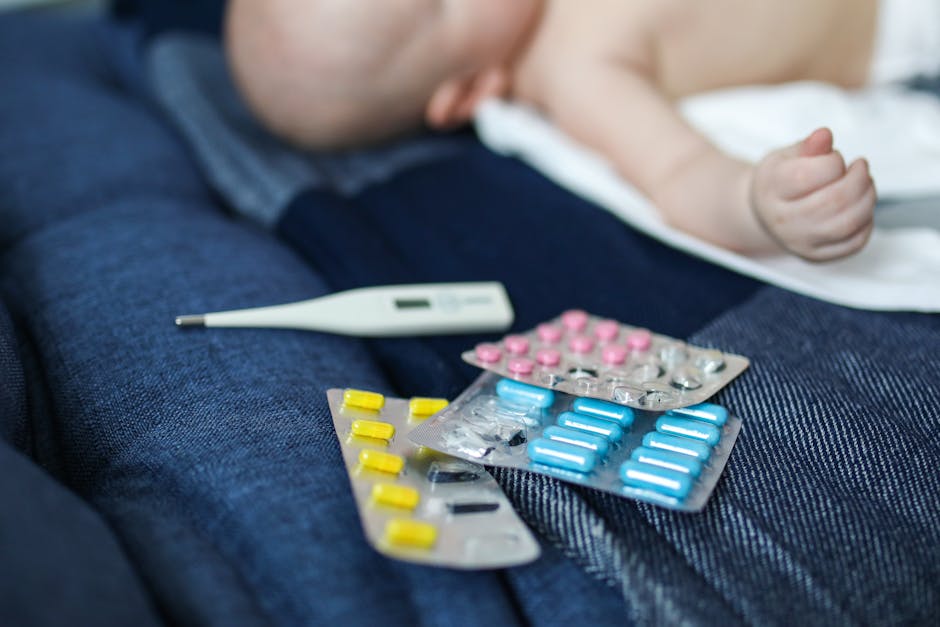
Loperamide, sold as Imodium, is not recommended for children under six years old. It can cause serious side effects in young children and should not be given to infants at all. Bismuth-containing products like Pepto-Bismol should not be given to children either.
Probiotics are a different category. There is moderate evidence that certain probiotic strains can shorten the duration of viral diarrhea in infants and they are generally safe. Ask a doctor which strain and dose is right for your baby’s age before buying anything.
If bacterial infection is suspected, antibiotics may be needed. Do not buy antibiotics without a prescription. The correct antibiotic depends on the likely cause, and taking the wrong one does not help and can cause further gut disruption.
When to See a Doctor on Koh Samui
Go the same day if your baby is under three months old with any diarrhea and fever. Go the same day if your baby has not had a wet diaper in six to eight hours, has blood or mucus in the stool, appears lethargic or unusually limp, or has been vomiting and cannot keep fluids down.
Diarrhea lasting more than 24 hours in a newborn, or more than two days in an older infant, also warrants assessment. If you are unsure, call us.
Doctor Samui offers walk-in appointments at our Chaweng clinic and 24/7 hotel and villa visits across the island, including Lamai, Bophut, Maenam, Choeng Mon, and Hua Thanon. A doctor can come to your hotel room, assess your baby’s hydration, run tests if needed, and prescribe the right treatment on site. You do not need to bundle a sick baby into a taxi. Our baby diarrhea dehydration assessment can include a stool test if a bacterial or parasitic infection is suspected. Results typically take one to two days.
Safe Feeding and Hygiene Habits to Prevent Baby Diarrhea on Holiday
Mix formula only with sealed bottled water, every time. Sterilise bottles daily. Bring sterilising tablets in your travel kit, as a microwave steriliser will not always be available at a villa. Wash your hands before every feed and after every diaper change.
Be careful with food given to older infants. Avoid anything washed in tap water, including raw vegetables and pre-cut fruit from open-air markets. At resort buffets, choose freshly cooked dishes over food that has been sitting out. Waterfall trips are wonderful, but keep young children from swallowing stream water at places like Na Muang.
If your baby has not yet been vaccinated against rotavirus, speak with us about whether catching up is appropriate. Rotavirus vaccination is part of the routine schedule in many countries and offers strong protection against one of the most common causes of severe infant diarrhea.
If your baby has had more than three loose stools today, is not keeping fluids down, or you can see signs of dehydration, do not wait it out. Doctor Samui offers same-day walk-in appointments at our Chaweng clinic and 24/7 doctor visits to your hotel or villa across Koh Samui. We carry equipment for infant assessment and IV rehydration when it is needed. Our English, German, and Hebrew speaking staff are here around the clock. Visit doctorsamui.com or call us directly to book.
Frequently Asked Questions
Dr. Ponlawat Pitsuwan
Physician, Doctor Samui
a walk-in clinic based in Chaweng, Koh Samui, with 24/7 hotel and villa visits across the island. He sees tourists, families, and long-stay expats for infant and pediatric illness, traveler’s diarrhea, dehydration, and family health emergencies. His focus is straightforward, evidence-based care delivered in plain language.