
Clinically reviewed by Dr. Ponlawat Pitsuwan, Physician, Doctor Samui.
Last reviewed: November 2026
Most yoga injuries at a Koh Samui wellness retreat do not happen during the pose. They show up the next morning as sharp, localised pain that is not the same as normal muscle soreness. If the pain is one-sided, sits at a joint or tendon attachment, worsens with the movement that caused it, or comes with numbness or swelling, that needs a clinical assessment, not another session. Doctor Samui covers the whole retreat belt, including Maenam and Bophut, with 24/7 hotel and villa visits.
You are three days into a week-long retreat above the north coast, somewhere between Maenam and Bophut, and your hamstring seized during a deep forward fold with an assist. The teacher said it would loosen up. It did not. Now it is the following morning and you are sitting on the edge of your bed wondering whether to go back to the shala or find a doctor.
That question is exactly the right one to be asking. The answer depends on where the pain sits, what it feels like, and whether it changed overnight. This article helps you read those signals clearly, so you are not choosing between ignoring something real and cutting short a trip you saved up for.
Where the Retreat Belt Sits and Why Yoga Injuries Present Late
Samui’s main retreat cluster runs along the quieter north coast, with studios and retreat centres spread across Maenam, Bophut, and into the hills behind them. Some are set back on hillside roads that add twenty to thirty minutes to any journey, even by scooter. That distance matters when an injury is building.
Maenam, Bophut and Hill Studios That Are a Long Scooter Ride From a Clinic
The Doctor Samui clinic is based in Chaweng. A villa or retreat centre in the hills above Maenam is a real distance away, especially after dark on roads that are not always well lit. If you cannot safely ride or sit comfortably in a vehicle, that is useful information in itself.
Doctor Samui does 24/7 hotel and villa visits across Maenam and Bophut, which means you do not have to work out how to get to the clinic after an acute lower back or knee injury. A doctor can come to you, carry out a physical assessment on-site, and advise whether you need in-clinic follow-up or imaging.
Injuries also often present late. During a session, adrenaline and body heat keep sensations dull. By that evening, or the morning after, the full picture of what happened to a tendon or joint becomes clearer. Soft-tissue swelling and inflammation build over hours, so pain that felt mild during the class can be severe the next morning. This is not weakness or imagination.
Injuries That Are More Than Delayed Soreness
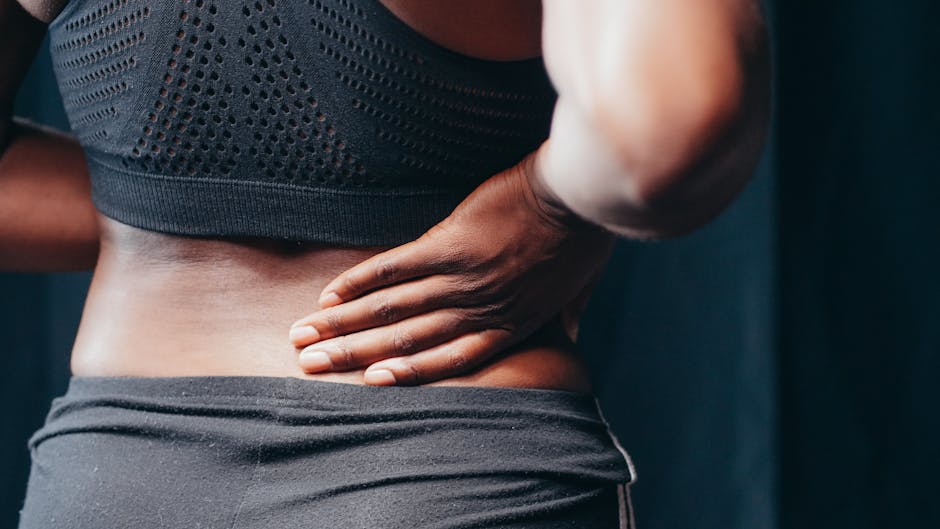
Normal muscle soreness after a hard session is diffuse, usually affects both sides equally, and improves when you move gently. It typically peaks around 24 to 72 hours after exercise, then fades. A genuine overstretch injury behaves differently from the start.
Neck, Shoulder, Hamstring and Knee Injuries After Adjustments or Long Holds
A teacher-led adjustment that takes a joint past its comfortable range is one of the more common causes of acute yoga injury. The shoulder is particularly vulnerable in deep binds or weight-bearing poses. Rotator cuff stress from an unexpected external rotation can feel like a dull ache during the class and sharp, catching pain the next morning.
Hamstring injuries at retreats tend to happen in forward folds and splits work, often when the participant is fatigued by the second or third day of an intensive programme. What begins as a pull at the sitting bone can become an irritation of the tendon where it attaches to the pelvis. That attachment point stays painful with sitting and stair climbing, not just during stretching.
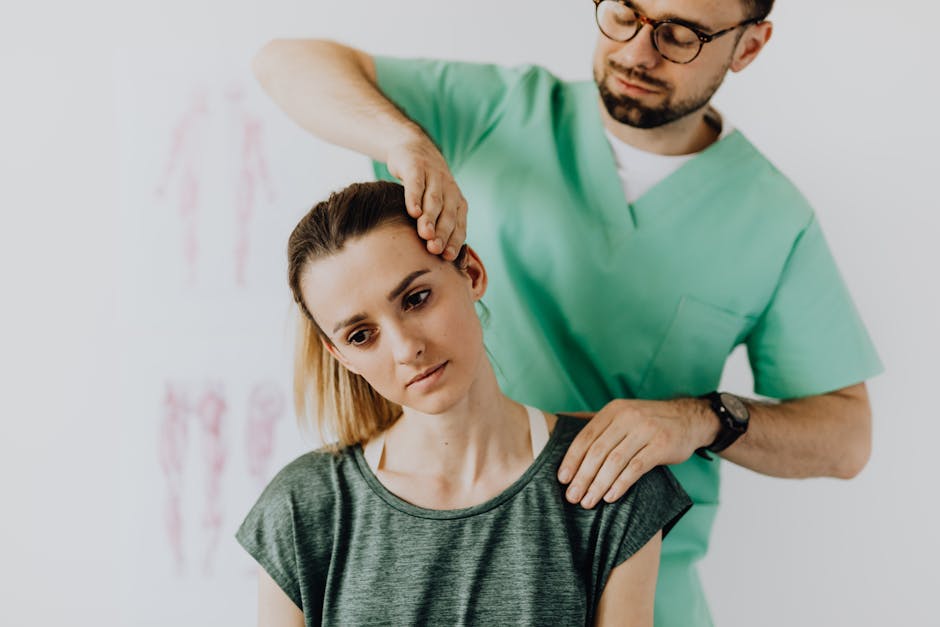
Neck strain after inversions or adjustments in postures like shoulder stand or plough can produce pain that radiates into the arm or causes tingling in the fingers. That radiation pattern warrants same-day assessment.
Knee injuries in deep lunges or lotus variations often involve the medial ligament or meniscus. Swelling inside or beside the knee joint, locking, or a feeling of giving way are not signs to rest and observe. They need a clinical look.
Dizziness, Palpitations or Fainting in a Hot Shala
A heated shala in Samui’s humidity amplifies every cardiovascular demand of the practice. If you faint or nearly faint during or after class, the cause is usually one of three things: a sudden drop in blood pressure triggered by heat or prolonged standing; heat exhaustion, where the body’s cooling system is overwhelmed; or dehydration, which on a retreat running a juice cleanse can reach a significant level by day two or three.
Heat exhaustion and a vasovagal faint both cause brief loss of consciousness, nausea, and quick recovery once you lie down in cool air. Heat stroke is different: confusion, a very high body temperature, skin that may be hot and dry or still sweating, and a person who does not recover quickly. Heat stroke is a medical emergency. Call for help immediately.
Palpitations that persist after leaving the room, or that come with chest discomfort or shortness of breath, need same-day assessment regardless of how well you feel between episodes.
What to Tell the Teacher and When to Leave the Workshop the Same Day
Tell the teacher immediately when something hurts during an adjustment. That is not disrupting the class. That is the teacher’s cue to stop. You do not owe the group a finished pose at the cost of your own tendon.
Leave the workshop the same day if you have sharp, one-sided joint pain that worsened after the pose, numbness or pins and needles in a limb, a pop or snap followed by swelling, or a fainting episode that left you confused or unwell for more than a few minutes.
If you have a pre-existing condition, tell the teacher before the session begins. Inflammatory joint conditions, a history of disc problems, osteoporosis, or recent surgery all change the risk profile of teacher-led adjustments. A good teacher will modify accordingly. If yours does not ask, volunteer the information.
Clinic Assessment, Rest and Whether You Can Finish the Retreat
When you come in, or when a doctor visits your retreat villa, the assessment covers what is needed to work out what you are actually dealing with: range of motion in the affected joint, palpation of the specific tendon or muscle attachment, and a check of circulation and nerve function in the limb. It is enough to triage whether you need imaging, rest with a protocol, or whether modified practice is safe.
For soft-tissue injuries in the first 48 hours, rest, ice, compression where appropriate, and elevation are the standard starting approach. We can advise on what that looks like for a retreat context and provide a written note for your retreat organiser if medical rest is needed. This matters for travel insurance purposes, and Doctor Samui can support that process through your travel insurance documentation.
Whether you can finish the retreat depends on the injury. A mild hamstring strain with no nerve involvement may allow modified practice that avoids the specific movement range that caused it. A partial tear, an unstable knee, or cervical nerve symptoms mean stopping that activity until you have been properly assessed. We will tell you clearly which category you are in.
How This Differs From a Muay Thai Camp Injury or a Problem Caused by Fasting
Muay Thai camp injuries on Samui tend to be impact injuries: bruised ribs, sprained wrists, cuts that need wound care. Yoga retreat injuries are almost always overstretch and overuse injuries. The tissue damage is internal, often at a tendon attachment, and does not look dramatic from the outside. That can make people underestimate them.
The fasting variable is specific to wellness retreats and genuinely changes the picture. Juice cleanses and restricted-calorie programmes reduce energy stores, which affects muscle endurance and recovery. The threshold for a tendon or muscle to reach its limit under load is lower than it would otherwise be. If you are running a three-day juice cleanse alongside a twice-daily yoga programme, your injury risk on day three is meaningfully higher than on day one, and your recovery will take longer too.
For anyone who has fainted, is significantly dehydrated, or is recovering poorly on a restricted intake, an IV drip for rehydration can support recovery alongside the clinical assessment. This is not routine for a sore hamstring, but it is relevant after a heat episode or when dehydration is part of the clinical picture.
If your injury needs anything beyond assessment and advice, accident and trauma care at Doctor Samui covers minor surgical needs too.
If you have hurt yourself at a yoga retreat or wellness centre anywhere on Koh Samui, Doctor Samui can assess you at the clinic in Chaweng or come to your retreat villa or hotel, day or night. This includes the north-coast retreat belt around Maenam and Bophut. We can tell you whether the injury needs rest, modified practice, or further care, and provide documentation for your travel insurance if needed. Contact us to arrange a visit.
FAQ
Dr. Ponlawat Pitsuwan
Physician, Doctor Samui
a walk-in clinic based in Chaweng, Koh Samui, with 24/7 hotel and villa visits across the island. He sees tourists, families, and long-stay expats for soft-tissue injuries, overstretch injuries from yoga and fitness retreats, heat-related illness, and general acute care. His focus is straightforward, evidence-based care delivered in plain language.
References
The information in this article is for educational purposes only and does not constitute medical advice. It should not be used to self-diagnose or replace a consultation with a qualified physician. If you have concerns about your health, contact a licensed medical professional. For appointments at Doctor Samui, visit doctorsamui.com.
