
Koh Samui, a beautiful island in Thailand, is famous for its stunning beaches. But there’s more to this place than just sand and sun. The island is also home to many amazing Koh Samui temples, which are super important to the local culture and faith. These temples aren’t just old buildings; they’re active places where people worship and celebrate. They give you a real peek into Thai Buddhism and the island’s long history. If you’re looking to understand Koh Samui better, visiting these spiritual spots is a must.
Key Takeaways
- Koh Samui’s temples show off the island’s deep spiritual side and cultural roots.
- Wat Phra Yai, with its huge golden Buddha, is a standout landmark.
- Wat Ratchathammaram is special because of its unique red color and peaceful vibe.
- The Secret Buddha Garden is a hidden spot full of art and nature.
- Beyond the Buddhist temples, Koh Samui also has other places of worship, highlighting its diverse community.
Exploring the Spiritual Essence of Koh Samui
Koh Samui isn’t just about beaches; it’s a place where culture and spirituality meet. The island’s history shows how it changed from a small fishing spot to a popular tourist place. But beyond the pretty views, there’s a deep sense of Thai culture waiting to be explored.
Koh Samui’s Cultural Heritage
Koh Samui’s cultural side is closely tied to Buddhism. You can see this in the daily lives of the people and in the many temples around the island. These temples aren’t just for worship; they’re also places where people learn and gather. They show how much the island cares about keeping its traditions alive.
The Island’s Sacred Wats
The temples, or ‘wats,’ each have their own story and style. They add to Koh Samui’s cultural richness. Visiting these places gives you a peek into the island’s spiritual heart. They are a testament to the island’s dedication to preserving its religious and cultural traditions.
A Journey into Thai Buddhism
Exploring Koh Samui’s temples is like taking a trip into Thai Buddhism. You get to see how important this religion is to the people and how it shapes their lives. It’s a chance to learn about their beliefs and practices.
Here’s a quick look at some common Buddhist practices you might see:
- Making merit through offerings
- Participating in prayer and meditation
- Observing important religious days
The Majestic Wat Phra Yai: A Golden Beacon
Wat Phra Yai, often called the Big Buddha Temple, is more than just a landmark; it’s a place of peace. The golden statue, standing tall, is a sight to behold. You can see it from pretty far away, calling people in to enjoy its beauty. The temple has a calm vibe, great for chilling out or thinking quietly. It’s a spot where you can really feel the spiritual side of Koh Samui.
The Iconic Big Buddha
The Big Buddha is hard to miss. This 12-meter-high golden statue sits on a small island connected by a causeway. It shows Buddha in a pose that means he beat temptation and found peace. It’s a powerful image that draws lots of visitors. People come to see it, take pictures, and just soak in the peaceful feeling around it. It’s a real symbol of Koh Samui.
Architectural Grandeur and Symbolism
The temple itself is a great example of Thai design. There are detailed carvings, bright paintings, and fancy decorations all over the place. The way Buddha is posed has meaning too. His right knee touching the ground shows he was determined, and his left hand in his lap means he was focused. These details show the island’s cultural heritage and make the temple even more special.
Panoramic Views and Cultural Etiquette
Besides the Big Buddha, the temple also has amazing views. You can see the sea and nearby islands from up there. It’s a great spot to take photos and enjoy the scenery. When you visit, remember to dress respectfully. Cover your shoulders and knees. It’s also nice to leave a small donation to help keep the temple running. There are also vendors selling local food, like coconut pancakes, a sweet treat that’s become a hit among visitors.
Visiting Wat Phra Yai is more than just seeing a big statue. It’s about experiencing the calm and beauty of Thai culture. Take your time, look around, and enjoy the peaceful feeling. It’s a memory you won’t forget.
Wat Ratchathammaram: The Red Temple
Unique Red Clay Construction
Okay, so Wat Ratchathammaram, or the Red Temple as everyone calls it, is pretty different from the other temples you’ll see around Koh Samui. Instead of the usual gold and flashy colors, this one’s made with red clay. It’s a bold choice, and it really makes the temple stand out against all the green stuff around it. The red color gives it a modern feel, but it’s still got all the traditional Thai architectural details. It’s like they took the old and mixed it with the new, which is kinda cool.
Modern Interpretation of Thai Architecture
It’s not your grandma’s temple, that’s for sure. The Red Temple feels more like a modern art piece than a super traditional religious site. The designs are intricate, showing scenes from Buddha’s life, but the red clay gives it a totally different vibe. It’s a fresh take on temple design, and it shows how Thai architecture can evolve while still keeping its roots. You can see the temple’s deep red hues from pretty far away, making it a landmark.
Tranquil Environment for Contemplation
If you’re looking for a quiet place to chill and think, this is it. The Red Temple isn’t as crowded as some of the other temples, so it’s perfect if you want some peace and quiet. The atmosphere is really serene, and the unique look of the temple makes it a great spot for photographers too. It’s a place where you can just wander around, take it all in, and maybe even find a little bit of inner peace. It’s a nice break from the busy beaches and tourist traps. I think it’s a great place to explore spiritual exploration.
Visiting the Red Temple is a reminder that things don’t always have to be the same. It’s okay to mix things up and try new stuff, even with something as traditional as a temple. It’s a cool place to see how culture can change and still stay true to itself.
Here’s a quick list of things to keep in mind when visiting:
- Dress respectfully (shoulders and knees covered).
- Remove your shoes before entering any buildings.
- Be quiet and respectful of others who are there to pray or meditate.
Discovering the Secret Buddha Garden
Nestled away in Koh Samui’s interior, you’ll find the Secret Buddha Garden, a place that feels like stepping into another world. It’s a bit of a trek to get there, but trust me, it’s worth it. The garden is the creation of Nim Thongsuk, a local farmer who spent years filling his land with statues and sculptures. It’s also known as the Magic Garden Magic Garden, and it really does have a magical feel.
A Hidden Gem in the Hills
Getting to the Secret Buddha Garden is an adventure in itself. You’ll likely need a 4×4 vehicle, or you can hire a tour. The road winds up into the hills, and the views are amazing. Once you arrive, you’ll find a tranquil space filled with unique art. It’s a great escape from the busy beaches and tourist spots.
Artistic Representation of Buddhist Themes
The statues in the garden depict various figures from Buddhist mythology, as well as scenes from everyday life. It’s a personal and unique interpretation of these themes. You’ll see Buddhas, animals, and people, all crafted with a clear sense of passion. It’s not like the grand temples; it’s more intimate and personal.
Harmony Between Art and Nature
What makes the Secret Buddha Garden so special is how well the art blends with the natural environment. The statues are placed among the trees and rocks, creating a sense of harmony. It’s a place where you can wander, reflect, and appreciate the beauty of both art and nature.
The Secret Buddha Garden is a reminder that art can be found in the most unexpected places. It’s a testament to one man’s vision and dedication, and it offers a peaceful retreat for anyone seeking a bit of tranquility and inspiration.
Celebrating Faith: Festivals and Traditions
Significant Buddhist Festivals
Koh Samui really comes alive during its Buddhist festivals. It’s not just about religious observance; it’s a full-on cultural experience. Visakha Bucha, Makha Bucha, and Asanha Bucha are some of the big ones, each marking important events in Buddha’s life. I remember stumbling upon Visakha Bucha last year – the whole island was lit up with lanterns, and there were processions everywhere. It was pretty amazing to see so many people participating in cultural events.
Vibrant Religious Activities
During these festivals, you’ll see all sorts of activities. People make merit by offering food to monks, visiting temples, and participating in candlelight processions. It’s a chance to reflect and connect with the community. I even tried my hand at making merit once – let’s just say my offering wasn’t exactly up to par, but the intention was there! The atmosphere is just electric, with everyone coming together to celebrate their faith.
Cultural Immersion and Community Spirit
These festivals aren’t just for locals; visitors are welcome to join in and experience the culture firsthand. It’s a great way to learn about Thai Buddhism and connect with the community. Plus, the food stalls alone are worth the trip! You can really feel the sense of unity and shared values. It’s a reminder that, despite our differences, we all share a common humanity. I think that’s something special, and it’s what makes these religious activities so memorable.
Participating in these festivals gives you a peek into the island’s traditions and lets you appreciate the things that shape Koh Samui’s spiritual life. It’s more than just sightseeing; it’s about understanding the heart of the island.
A Culmination of Cultures: Other Religious Buildings
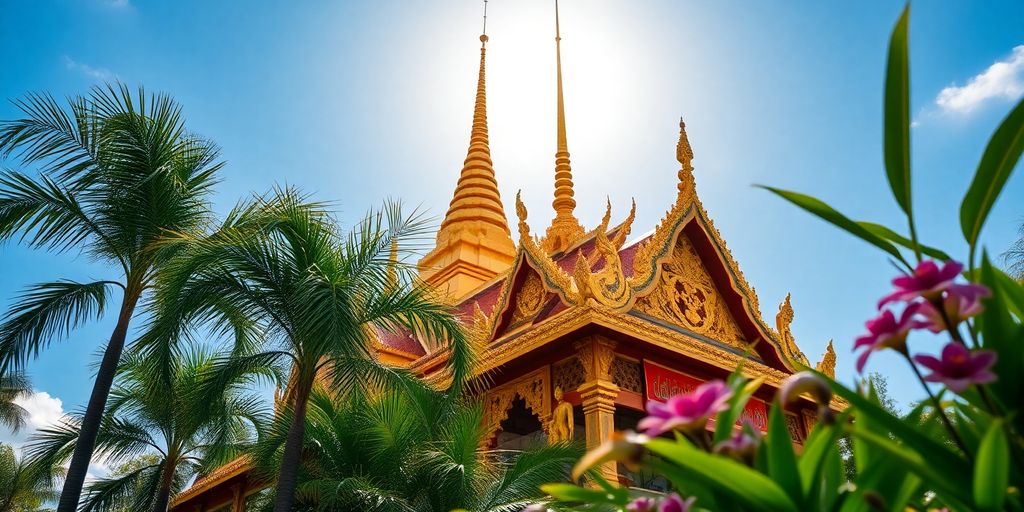
Koh Samui isn’t just about Buddhist temples; it’s a place where different faiths live side by side. While the Buddhist temples get a lot of attention, there are other religious buildings that are just as important to the island’s cultural mix. These places show how different communities contribute to Koh Samui’s unique character. It’s pretty cool to see how everyone gets along.
Koh Samui Central Mosque
The Koh Samui Central Mosque serves as a key place of worship for the island’s Muslim community. Its architecture often incorporates traditional Islamic designs, making it a notable landmark. It’s a place where people gather for prayer and community events. The mosque is a testament to the diversity found on the island.
Mary Help of Christians Catholic Church
The Mary Help of Christians Catholic Church provides a spiritual home for the Catholic community on Koh Samui. Services are held in both English and Thai, reflecting the diverse backgrounds of its members. It’s a welcoming space for locals and tourists alike. The church plays an active role in the community, offering support and a sense of belonging. It’s a great example of sacred sites on the island.
Peaceful Coexistence of Different Faiths
Koh Samui is a great example of how different religions can coexist peacefully. The presence of the mosque, the Catholic church, and the Buddhist temples shows a real respect for different beliefs. This mix of cultures makes the island a special place. It’s a reminder that people from different backgrounds can live together in harmony.
The peaceful coexistence of various faiths on Koh Samui enriches the island’s cultural landscape, fostering a sense of unity and mutual respect among its residents and visitors. This harmonious blend of traditions contributes to the island’s unique identity and spiritual depth.
Here’s a simple breakdown of the religious diversity:
- Buddhist Temples: Numerous and prominent.
- Koh Samui Central Mosque: Serves the Muslim community.
- Mary Help of Christians Catholic Church: Caters to the Catholic community.
Wrapping Things Up: Koh Samui’s Spiritual Side
So, that’s the scoop on Koh Samui’s temples. They’re not just old buildings; they’re like little pockets of peace and history, showing off the island’s real heart. You’ve got the big, shiny Buddha, the quiet gardens, and even some places that aren’t Buddhist at all. It’s pretty cool how all these different beliefs just hang out together. Visiting these spots gives you a much better feel for the island than just hitting the beach. It’s a chance to see how people live, what they believe, and just soak up some of that calm energy. Definitely worth checking out if you’re ever there.
Frequently Asked Questions
What makes Koh Samui special for its spiritual side?
Koh Samui is a special island in Thailand. It’s not just pretty beaches; it’s full of old traditions and spiritual places. People live their daily lives with Buddhist beliefs, and you can see this in the many temples all over the island.
What are ‘wats’ and what do they mean to Koh Samui?
The island has many temples, called ‘wats.’ These aren’t just places to pray; they are also spots for learning and for people to gather. Each wat has its own story, building style, and meaning, showing off the island’s rich culture.
What is Wat Phra Yai known for?
Wat Phra Yai is famous for its huge golden Buddha statue. It’s a big, impressive sight that stands tall and peaceful. It’s a key spot for visitors to see the island’s spiritual heart.
What can you find at the Secret Buddha Garden?
The Secret Buddha Garden is a hidden place in the hills. It has many statues and sculptures that tell stories from Buddhist myths. It’s a calm and artistic place where art and nature come together.
Are there any important festivals on Koh Samui?
Yes, Koh Samui celebrates many Buddhist festivals. These events are very lively and show how strong the community’s faith is. Visitors can join in and learn a lot about the local culture.
Does Koh Samui have religious places other than Buddhist temples?
Besides Buddhist temples, Koh Samui also has a Central Mosque and a Catholic Church. This shows that people of different faiths live together peacefully on the island, adding to its rich mix of cultures.


