
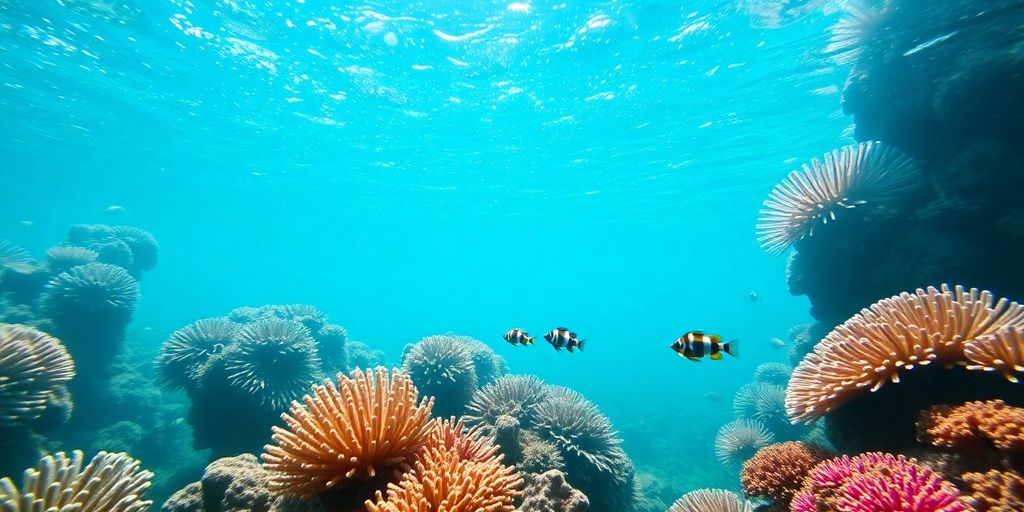
Looking for an amazing underwater adventure? Koh Samui is a great spot for that, even though you don’t actually dive right off its beaches. Instead, you get to take a quick boat ride to some truly fantastic dive sites nearby. This article will tell you all about the best Koh Samui diving spots, where to stay, and how to get certified, so you can plan your next trip with ease.
Key Takeaways
- Koh Samui is a top choice for divers, offering easy access to awesome dive sites like Sail Rock and Koh Tao.
- You can get your PADI Open Water Diver certification or try the PADI Discover Scuba Diving program here.
- Silent Divers and Discovery Divers are good local dive operators.
- Chaweng Beach is a nice place to stay, with hotels like Amari Koh Samui offering comfort and convenience.
- While diving isn’t directly off Koh Samui, the island provides a great base with lots of other things to do.
1. Sail Rock
Okay, so Sail Rock. If you’re even thinking about diving around Koh Samui, you’ve probably heard the name. It’s kind of a big deal. Located smack-dab between Koh Phangan and Koh Tao, it’s often called the best dive site in the Gulf of Thailand, and honestly, it’s hard to argue with that.
The rock itself is like a magnet for marine life, and the underwater scenery is just incredible. You’ve got this massive pinnacle that goes down deep, attracting everything from tiny colorful reef fish to the big guys like barracudas and even whale sharks if you’re lucky.
Getting there is part of the adventure. From Koh Samui, it’s usually a speedboat ride, which can be a bit bumpy depending on the weather. I’d suggest taking a seasickness pill if you’re prone to motion sickness. But trust me, it’s worth it. Once you’re there, the visibility is usually pretty good, and there are dive spots for all levels, from beginners to experienced divers. You can book a dive tour Sail Rock and experience it for yourself.
I remember one time, the current was a little strong, but the sheer amount of fish we saw made it totally worth it. Schools of trevally, batfish, and even a few curious turtles. It’s like swimming in an aquarium, but way more exciting.
Here’s a few things you might see:
- Barracudas
- Whale Sharks (if you’re super lucky!)
- Turtles
- Reef Sharks
- Tons of colorful reef fish
It’s a great spot for underwater photography too, so don’t forget your camera! Just be mindful of your buoyancy and try not to disturb the marine life. Overall, Sail Rock is a must-do if you’re diving in this part of the world. Just be prepared for a bit of a boat ride, and you’ll have an amazing time.
2. Koh Tao
Koh Tao, or Turtle Island, is a must-visit for any diving enthusiast in the Koh Samui area. While it’s a bit further out, the trip is well worth it for the incredible underwater scenery. It’s known as one of the best places in Thailand to get your diving certification, and for good reason.
Koh Tao is a smaller island, so it has a more laid-back vibe compared to Koh Samui. If you’re looking for a place that’s all about diving, with fewer distractions, this is it.
Here’s a quick look at why Koh Tao is so popular:
- Abundant Marine Life: Expect to see colorful coral, tons of fish, and maybe even a turtle or two.
- Clear Waters: Visibility is usually excellent, making for great diving conditions.
- Variety of Dive Sites: There’s something for everyone, from shallow reefs to deeper pinnacles.
Getting to Koh Tao usually involves a ferry ride, but it’s a pretty straightforward trip. You can catch a ferry from Koh Samui or the mainland. Just be sure to check the schedules in advance, especially during the rainy season. The island itself is small enough to get around easily, so once you’re there, you’re all set for some amazing diving.
3. Shark Island
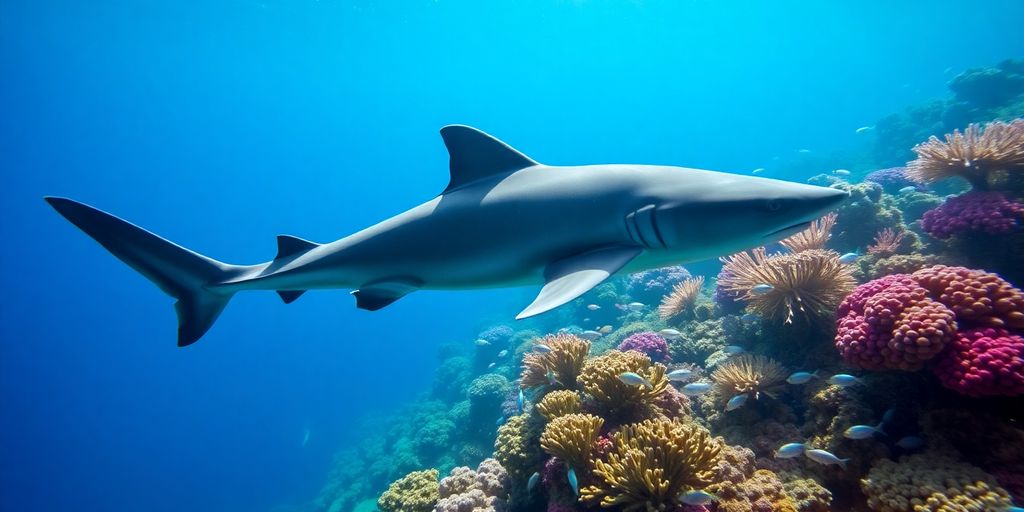
Shark Island, so named because, well, it looks like a shark fin sticking out of the water, sits south of Koh Tao. It’s a cool spot because it’s got a bit of everything underwater. You’ll find gentle slopes that are easy to explore, but also some steeper walls if you’re feeling a bit more adventurous. The whole place is covered in corals and sponges, making it super colorful.
What can you see? Expect moray eels poking their heads out, blue-spotted rays chilling on the seabed, and, if you’re lucky, maybe even a blacktip reef shark cruising by. It’s a good place to explore Ko Samui’s top attractions and see a variety of marine life without needing to be an expert diver.
It’s a pretty accessible dive site, good for all skill levels. The currents aren’t usually too strong, and the visibility is often pretty decent. Plus, it’s close to Koh Tao, so getting there isn’t a huge mission.
4. Mu Ko Ang Thong National Marine Park
Okay, so diving directly in Mu Ko Ang Thong National Marine Park is a no-go. I know, bummer, right? But hear me out! You can actually dive around the park’s perimeter, and while some folks say the visibility can be a bit hit or miss, it’s still worth considering. The real draw here is the park itself.
Honestly, if you’re making the trip, I’d suggest focusing on the topside experience. The views are absolutely stunning. Think towering limestone islands, hidden lagoons, and pristine beaches. It’s postcard-perfect, seriously. You can easily spend a day sightseeing, snorkeling, and kayaking and soaking it all in.
I’ve heard from other divers that while the diving around the park can be okay, it often doesn’t compare to spots like Sail Rock or Koh Tao. So, if diving is your main priority, maybe hit up Ang Thong for the scenery and then head elsewhere for better underwater action.
Here’s a quick list of things you can do in Mu Ko Ang Thong (besides diving):
- Hike to the viewpoint on Koh Wua Talap for panoramic views.
- Kayak through the emerald lagoon of Koh Mae Koh.
- Relax on the white sands of a secluded beach.
5. PADI Open Water Diver Course
So, you’re thinking about getting your PADI Open Water Diver certification? Awesome! It’s a fantastic way to open up a whole new world – literally. This course is your ticket to becoming a certified scuba diver, allowing you to explore underwater environments with confidence.
Think of it as your entry-level diving license. You’ll learn the basics of scuba diving, from setting up your gear to understanding underwater communication. The course usually involves a mix of classroom sessions, pool training, and open water dives.
What can you expect?
- Theory: You’ll learn about dive physics, physiology, and the marine environment.
- Confined Water Skills: Practice using scuba gear in a pool or shallow water.
- Open Water Dives: Put your skills to the test in the ocean, under the supervision of an instructor.
Getting certified is a rewarding experience. It not only teaches you how to dive safely but also connects you with a community of fellow ocean enthusiasts. Plus, it’s a skill you can use all over the world!
It typically takes about 3-4 days to complete the course, and upon successful completion, you’ll be certified to dive to a maximum depth of 18 meters (60 feet). Not bad, right?
6. PADI Discover Scuba Diving Program
So, you’re thinking about diving but not quite ready to commit to the full PADI Open Water Diver course? I get it. That’s where the PADI Discover Scuba Diving program comes in. It’s basically a test drive for scuba diving, and it’s a pretty cool way to see if it’s something you’d actually enjoy without spending a ton of time and money upfront.
This program is designed for complete beginners. You don’t need any prior experience, which is awesome. It’s usually a one-day thing, and it gives you a taste of what scuba diving is all about. You’ll learn some basic skills, get comfortable with the equipment, and then head out for a guided dive in open water with a PADI professional. Think of it as a supervised underwater tour.
Here’s what you can expect:
- A brief introduction to scuba diving equipment and how it works.
- Some basic skills practice in shallow water, like clearing your mask and regulator.
- A guided open water dive to a maximum depth of 12 meters (about 40 feet).
- Lots of cool underwater sights, depending on the dive site.
Honestly, it’s a great way to dip your toes (or fins) into the world of scuba diving. If you’re on the fence about getting certified, this is the perfect way to see if it’s for you. Plus, you get to experience the underwater world without a huge commitment. What’s not to love?
7. Silent Divers
Okay, so you’re looking for a different kind of experience? Maybe you’re already certified and just want to explore the underwater world without the noise and bubbles of traditional gear. Or maybe you’re just curious about alternative ways to experience the ocean. Either way, Silent Divers might be right up your alley.
Silent Divers focuses on offering experiences that minimize the impact on the marine environment and maximize the connection between the diver and the underwater world. They often use rebreather technology, which recycles exhaled air, resulting in a quieter, bubble-free experience. This allows you to get closer to marine life without scaring them away with the noise of regular scuba gear. It’s a pretty cool way to see things.
I’ve heard from people who’ve tried it that it’s a completely different world. They say it’s like the fish are more curious and less afraid, and you can really hear the natural sounds of the reef. It’s supposed to be super peaceful and a great way to really connect with the ocean.
Here’s what you might expect from a Silent Divers:
- Rebreather courses and certifications
- Guided dives using rebreather technology
- Smaller group sizes for a more intimate experience
- Emphasis on minimal environmental impact
8. Discovery Divers
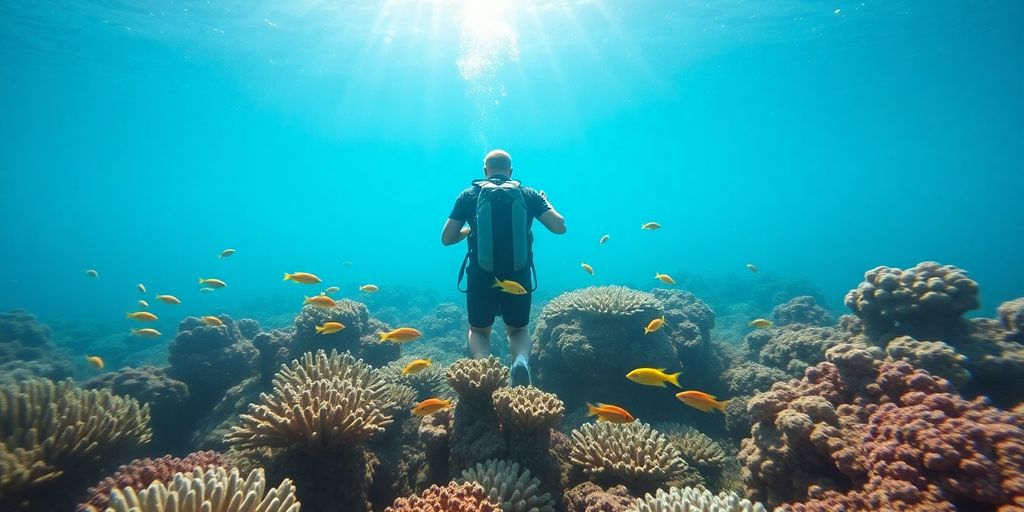
Okay, so you’re thinking about checking out Discovery Divers in Koh Samui? I’ve heard some good things. They seem to be a pretty solid choice if you’re looking to get into scuba diving around here.
One thing that stands out is that they’ve been around for a while, which is always a good sign. It usually means they know what they’re doing and have a good reputation to maintain. Plus, I’ve heard their boats are pretty comfy, which can make a big difference on those longer trips out to spots like Sail Rock.
They’ve got a main office in Chaweng, which is super convenient if you’re staying in that area. You can pop in to sign up for dives or courses. For the actual diving, they have another spot near the Big Buddha Temple where you gear up and get your briefing. Having multiple locations makes things easier, depending on where you’re based.
They also seem to cater to different experience levels, from beginners to more advanced divers. They even do sidemount diving, which is pretty cool. And from what I’ve gathered, the crew is really helpful, especially when it comes to getting in and out of the water with all your gear. That’s always a plus, especially if the conditions aren’t perfect.
Overall, Discovery Divers seems like a reliable option for diving in Koh Samui. They’ve got the experience, the facilities, and the good reputation to make your diving trip a success. Just make sure to book in advance, especially during peak season, to avoid disappointment.
9. Chaweng Beach
Chaweng Beach is a popular spot, and for good reason. It’s not just about the sand and sea; it’s a whole vibe. While it might not be the absolute best for diving right off the shore, its location makes it a great base for exploring other dive sites around Koh Samui. Plus, there’s plenty to do when you’re not underwater.
Chaweng offers a wide array of restaurants, from local Thai food to international cuisine. After a day of diving, you can unwind with a delicious meal and enjoy the vibrant nightlife.
Here’s why Chaweng Beach is a solid choice for divers:
- Accessibility: It’s easy to get to from the airport and other parts of the island.
- Accommodation: You’ll find a range of hotels and resorts to suit different budgets. For example, the Amari Koh Samui is a great option.
- Activities: Beyond diving, there are plenty of things to do, like shopping, water sports, and exploring the local markets.
And when the sun begins to set, you can find some amazing spots for sunset cocktails. For example, head to Coco Tam’s in Fisherman’s Village, Bophut. This beachfront bar is known for its relaxed vibe, beanbag seating, and creative cocktails, all with a perfect view of the sun setting over the ocean.
10. Amari Koh Samui
Staying at the Amari Koh Samui can really enhance your diving trip. I mean, after a long day exploring the underwater world, who wouldn’t want to come back to a comfortable place, right? The Amari Koh Samui offers a blend of convenience and luxury, making it a solid choice for divers and their families.
Amari Koh Samui has three wings, each with its own pool. The beach wing is the one you want if you want to be close to the water. The other two wings are quieter, which might be nice if you’re looking to relax. They even have someone to help you cross the road, which is a nice touch.
They have different rooms for different budgets. All the rooms have enough space to dry your dive gear, which is super important. Chaweng Beach in front of the hotel isn’t the best for swimming, but it’s fine for lounging. And if you want to swim, there are always the pools.
For those not diving, there’s a spa, a gym, happy hour, and a kids club. They also have lounge facilities you can use if your room isn’t ready or if you have time to kill before your flight. Honestly, that’s a great feature. You can even use the showers from the gym. More hotels should do that!
The Amari has three different eateries. The Amaya Cafe is a bistro with pastries, breakfast, and lunch. The Amaya Food Gallery has a huge breakfast selection. It’s all reasonably priced, especially for a 5-star hotel.
Here are some reasons to consider Amari Koh Samui:
- Close to Chaweng beach.
- Multiple dining options.
- Facilities for both divers and non-divers.
- Lounge facilities for early arrivals or late departures.
Wrapping Things Up: Your Koh Samui Dive Trip
So, there you have it. Koh Samui might not have diving right off its beaches, but it’s still a great spot for a dive trip. You get to stay on a bigger island with lots of things to do, and then just hop on a boat to some really cool dive sites nearby. Whether you’re just starting out or you’ve been diving for years, there’s something for everyone. Just remember to pick a good time of year for your visit, and you’ll be all set for an amazing underwater adventure.
Frequently Asked Questions
Can I go diving directly off Koh Samui?
Even though Koh Samui is a beautiful island, the waters right around it are too shallow and cloudy for good scuba diving. Because of this, dive shops on Koh Samui take divers by boat to better spots like Koh Tao and Sail Rock, which are known for their clear water and amazing marine life.
When is the best time to go diving from Koh Samui?
The best time to dive in the Gulf of Thailand, including areas near Koh Samui, is from March to October. The very best months are July and August. If you’re hoping to see whale sharks, plan your trip between March and May.
How much does it cost to go scuba diving from Koh Samui?
Diving from Koh Samui costs a bit more than diving from Koh Tao. This is because the dive sites are further away, meaning more fuel and longer boat rides. However, compared to many other places in the world, the prices are still pretty good. For example, a two-dive trip to Sail Rock usually costs around $140, and trips to Koh Tao are a bit more, up to $150. These prices often include your hotel ride, gear, a guide, drinks, and lunch.
What if I want to try diving but don’t want to get certified?
The PADI Discover Scuba Diving program is a great way to try diving without getting a full certification. It’s a one-day program where you learn basic skills and safety, then go on a guided dive with a professional. It’s perfect for beginners and helps you see if you like diving before you commit to a longer course.
What is the PADI Open Water Diver course?
The PADI Open Water Diver course is for beginners and lets you dive up to 60 feet deep. It teaches you all about diving safely through online lessons, pool practice, and real dives in the ocean. Koh Samui is a great place to learn because the water is warm, clear, and full of marine life, making it easy and fun to build your skills.
What kind of food can I eat after diving in Koh Samui?
After a day of diving, you’ll likely be hungry! Koh Samui has many food options, from cheap local street food to fancy restaurants. You can find authentic Thai dishes like pad Thai and fresh seafood at local markets and places like Fisherman’s Village in Bophut.


