
So, you’re wondering about STD tests, right? It’s a pretty common thing to think about, especially if you’re sexually active. Knowing how accurate these tests are and what kinds of methods doctors use can really help you feel more in control. We’re going to break down how these tests work, what makes them reliable, and why getting tested is just a smart move for your health.
Key Takeaways
- Different STDs need different tests; there’s no one-size-fits-all.
- Blood, urine, and swab tests are the main methods, each good for certain infections.
- Test accuracy can depend on things like when you get tested and how the sample is collected.
- Understanding the “window period” is important; it’s the time an infection might not show up yet.
- At-home tests are handy, but it’s often a good idea to get a doctor to confirm the results.
Understanding STD Test Accuracy and Types of Methods Used
Importance of Accurate STD Testing
Accurate STD testing is super important for a bunch of reasons. First off, it helps you get the right treatment if you actually have something. Plus, knowing your status helps prevent spreading anything to partners. Early detection is key to managing your health and keeping everyone safe.
Factors Influencing Test Reliability
Lots of things can mess with how reliable an STD test is. The type of test matters, of course – some are just more sensitive than others. Also, the timing of the test is crucial; there’s often a “window period” after infection where tests might not pick anything up. Even how the sample is collected and stored can affect the results. It’s not always as straightforward as you’d think.
Benefits of Early Detection
Finding out early if you have an STD can make a huge difference. Here’s why:
- It allows for prompt treatment, which can prevent long-term health problems.
- It helps you take steps to avoid spreading the infection to others.
- It reduces anxiety and uncertainty about your sexual health.
Early detection of STDs is not just about individual health; it’s a public health issue. By getting tested and treated promptly, you’re contributing to a healthier community and preventing the further spread of infections. It’s a responsible and proactive approach to sexual health.
Exploring Different Types of STD Testing Methods
It’s good to know what options are out there when it comes to STD testing. There are a few common ways to get tested, and each has its own strengths depending on the situation. Knowing the differences can make the whole process less stressful.
Blood Tests for Systemic Infections
Blood tests are often used to detect STDs that have spread throughout the body, or systemic infections. These tests look for antibodies or the virus itself in your blood. They’re useful for diagnosing things like HIV, syphilis, and sometimes herpes. The accuracy can vary depending on the specific test and when you were exposed.
Urine Tests for Common STDs
Urine tests are a pretty easy and non-invasive way to check for some of the more common STDs. They’re often used to detect:
- Chlamydia
- Gonorrhea
- Trichomoniasis
Accuracy is generally good, but it can be affected by things like how long it’s been since you might have been exposed and how carefully the sample is collected. Make sure to follow the instructions carefully!
Swab Tests for Localized Infections
Swab tests are used when the infection is more localized, meaning it’s affecting a specific area. This usually involves taking a sample from the affected area, like the genitals, throat, or rectum.
Swab tests are commonly used for:
- Herpes
- Gonorrhea
- Chlamydia
Swab tests are great because they directly test the site of potential infection. This can lead to more accurate results, especially when symptoms are present. However, the accuracy still depends on proper collection technique and the specific STD being tested for.
Detailed Look at Blood Test Accuracy
What Blood Tests Detect
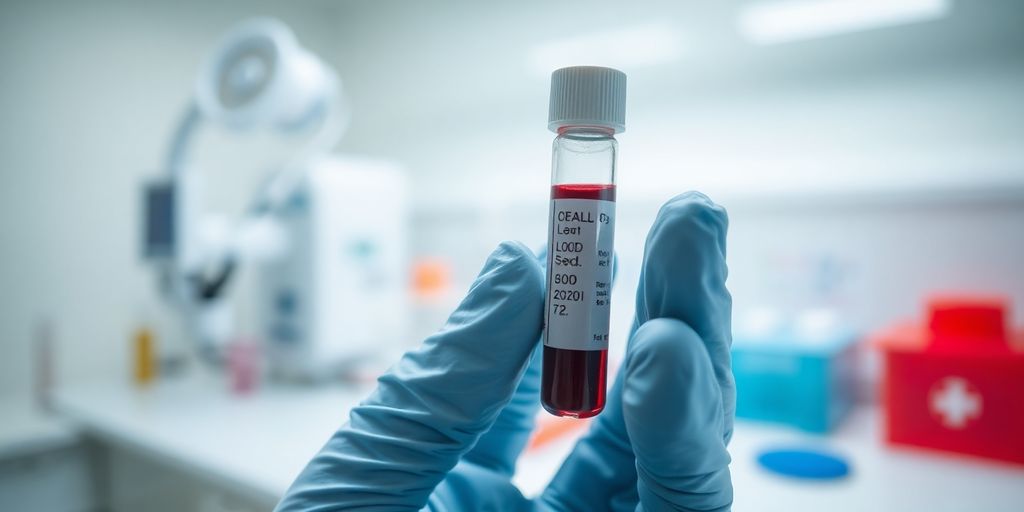
Blood tests are super useful because they can spot infections that have spread throughout your body. They’re commonly used to check for things like HIV, syphilis, hepatitis B, and hepatitis C. Basically, the test looks for antibodies your body makes to fight these infections, or for the virus itself in your blood. It’s a pretty direct way to see if something’s up, even if you don’t have any symptoms yet. For example, a blood test is often the first step in diagnosing syphilis.
Accuracy Rates for Blood-Based STD Tests
Okay, so how good are these tests? Well, it depends on the specific STD and the test used. Generally, blood tests are considered very accurate, but nothing is 100%. For HIV, modern blood tests are extremely reliable, often with accuracy rates above 99%. Syphilis tests are also quite accurate, but sometimes false positives can happen, which means you might get a positive result even if you don’t have the infection. This is why doctors often confirm positive results with another type of test.
Here’s a quick rundown:
- HIV: >99%
- Syphilis: Generally high, but prone to false positives
- Hepatitis B & C: Very accurate
Understanding the Window Period
This is a big one. The window period is the time between when you get infected and when a test can actually detect the infection. During this time, you could have the STD but still test negative. It’s different for each infection. For HIV, some of the newer tests can detect the virus as early as 10-14 days after exposure, but it’s generally recommended to wait at least a month for a reliable result. For syphilis, the window period is usually a few weeks.
It’s really important to know about the window period because testing too soon can give you a false sense of security. If you think you’ve been exposed, it’s best to talk to a doctor about when to get tested and maybe even get retested later on to be sure.
Insights into Urine Test Accuracy and Application
Common STDs Detected by Urine Tests
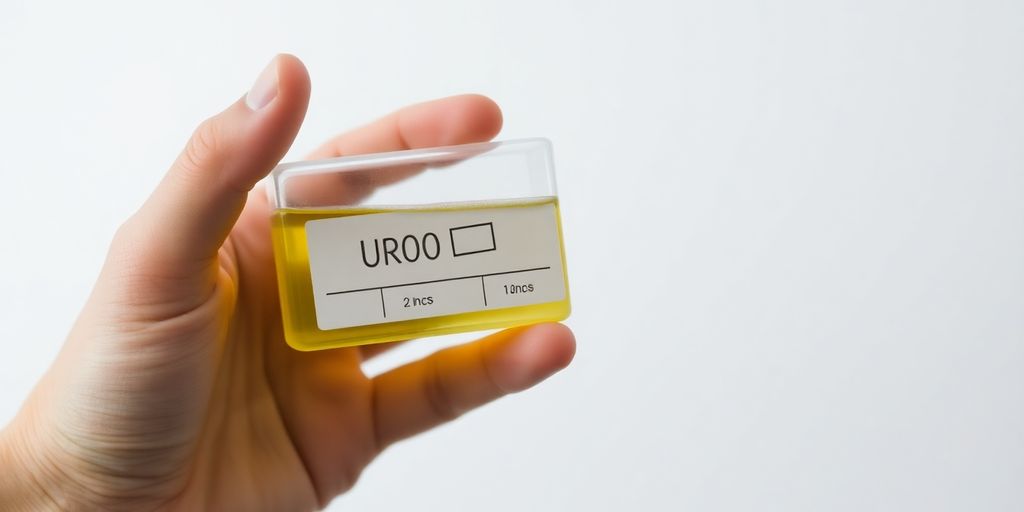
Urine tests are a pretty common way to check for certain STDs, especially for chlamydia and gonorrhea. The cool thing is that they’re non-invasive, meaning no needles! You just pee in a cup, and the lab checks the sample for the DNA of the bacteria that cause these infections. It’s a straightforward process, making it a popular choice for routine screenings. It’s worth noting that while urine tests are great for these two, they aren’t designed to detect everything. For example, they won’t pick up on STDs like syphilis or HIV, which require blood tests.
Factors Affecting Urine Test Accuracy
Okay, so urine tests are generally accurate, but a few things can mess with the results. One biggie is timing. Testing too soon after you think you might have been exposed can lead to a false negative. It takes a little while for the infection to show up in your urine. Also, how you collect the sample matters. You usually need to collect a “clean-catch” sample, which means wiping before you pee and only collecting the urine mid-stream. Messing that up can also throw off the results. Finally, certain medications or even just being really hydrated can dilute your urine, potentially affecting the test’s sensitivity. To ensure accurate STD testing results, follow the instructions carefully.
Proper Sample Collection for Reliable Results
Getting a good urine sample is key for accurate results. Here’s the lowdown:
- First, wash your hands. Obvious, but important.
- Next, use the provided wipe to clean around your urethra (the pee hole). Wipe front to back if you’re a woman.
- Start peeing into the toilet, then stop mid-stream and pee into the collection cup. This is the “clean-catch” part. Don’t fill the cup all the way; about an ounce or two is usually enough.
- Seal the cup tightly and hand it over to the lab tech.
Following these steps helps minimize contamination and ensures the lab has a good sample to work with. If you’re unsure about anything, don’t be afraid to ask the healthcare provider for clarification. It’s better to ask than to get a false result!
Comprehensive Guide to Swab Test Accuracy
Swab tests are a common method for detecting sexually transmitted diseases (STDs), especially in areas like the genitals, throat, or rectum. They’re often used when a localized infection is suspected. Let’s break down what you need to know about their accuracy and use.
When Swab Tests Are Recommended
Swab tests are particularly useful for detecting STDs that tend to cause localized infections. Think of infections like chlamydia, gonorrhea, and herpes. If you have symptoms like unusual discharge, sores, or pain in specific areas, a doctor might recommend a swab test. They’re also frequently used for testing in the throat or rectum, especially for people who engage in oral or anal sex, as urine tests aren’t as reliable for these areas. Swab tests offer higher accuracy compared to urine tests for certain infections.
Accuracy of Swab Tests for Specific STDs
How accurate are swab tests, really? Well, it depends. For chlamydia and gonorrhea, swab tests are generally quite accurate, but the exact numbers can vary a bit depending on the specific test used and how carefully the sample is collected. False negatives can happen if the infection is very recent or if the sample isn’t collected properly. For herpes, swab tests are most accurate when sores are present. If there are no active sores, a swab test might not be able to detect the virus, even if you’re infected. Here’s a general idea:
- Chlamydia: 90-99% accurate
- Gonorrhea: 90-99% accurate
- Herpes (with sores): 70-90% accurate
Procedure for Swab Sample Collection
Okay, so how does a swab test actually work? A healthcare provider will use a cotton swab to collect a sample from the area being tested. This might be the cervix, urethra, throat, or rectum. It’s usually a quick procedure, but it can be a little uncomfortable. Proper collection is key for accurate results. Here’s what usually happens:
- The healthcare provider will explain the procedure and answer any questions you have.
- You’ll be positioned comfortably, depending on the area being swabbed.
- The provider will gently insert the swab and rotate it to collect cells and fluid.
- The swab is then sent to a lab for analysis.
It’s important to follow any instructions you’re given before the test. For example, you might be asked not to urinate for an hour before a urethral swab. This helps ensure there’s enough material for the test to detect any infection. Also, be open with your healthcare provider about your sexual history and any symptoms you’re experiencing. This helps them choose the right tests and interpret the results accurately.
Choosing the Right STD Test Based on Your Needs
It can feel overwhelming trying to figure out which STD test is right for you. There are so many options, and it really depends on your individual situation. Let’s break down some key things to consider so you can make an informed decision.
Considering Type of Sexual Activity
Your sexual activity plays a big role in determining which tests are most appropriate. Different types of sexual contact carry different risks. For example, someone who primarily engages in oral sex might need different testing than someone who primarily has vaginal or anal sex. It’s not a one-size-fits-all situation. If you’ve had unprotected vaginal, anal, or oral sex, certain STDs may be more likely to be present. Different testing methods may be recommended based on your activity. For example, if you engaged in oral sex, an oral swab test might be necessary.
Evaluating Present Symptoms
Symptoms are a big clue! If you’re experiencing anything unusual, like sores, discharge, itching, or pain, it’s important to pay attention. These symptoms can help guide your testing choices. A physical exam and swab test may be necessary if you’re experiencing symptoms such as pain, itching, or unusual discharge.
Importance of Regular Testing Frequency
Regular testing is key, especially if you’re sexually active. How often should you get tested? That depends on your risk factors, like how many partners you have and whether you always use protection.
Getting tested regularly is an important part of taking care of your sexual health. It’s not just about you; it’s also about protecting your partners. Regular testing helps catch infections early, when they’re often easier to treat, and prevents further spread.
Here’s a general guideline:
- Sexually active women under 25: Get tested for chlamydia and gonorrhea every year.
- Men who have sex with men: Get tested for HIV and other STDs more frequently, depending on risk factors.
- Anyone with new or multiple partners: Consider getting tested more often, even if you don’t have symptoms.
At-Home STD Testing: Accuracy and Considerations
Convenience Versus Clinical Accuracy
At-home STD tests have become super popular because, well, they’re convenient. You can order a kit online, collect your sample in your bathroom, and mail it off. No awkward doctor’s visits, no waiting rooms. But here’s the thing: convenience doesn’t always equal accuracy. While these tests can be a good starting point, it’s important to understand their limitations. Lab-analyzed STD tests are generally more accurate.
Instructions for At-Home Test Usage
Okay, so you’ve decided to go the at-home route. Here’s the deal: you have to follow the instructions exactly. I mean, read them twice, maybe even three times. Seriously. These kits usually involve collecting a urine sample, a swab, or a blood sample. Messing up the collection process can totally throw off the results. Here’s a quick rundown:
- Read the instructions thoroughly before starting.
- Don’t eat, drink, or pee for a certain amount of time before collecting a urine sample (check the instructions!).
- Make sure to label everything correctly.
- Wash your hands. Seriously, wash them.
It’s easy to get complacent when you’re doing a test at home, but remember, you’re dealing with your health. Take it seriously, and don’t rush through the process.
When to Seek Professional Confirmation
Let’s say you get your at-home test results. What now? If the test is positive, don’t freak out, but do see a doctor to confirm the results. At-home tests can sometimes give false positives, and you want to be absolutely sure before starting any treatment. Even if the test is negative, but you’re experiencing symptoms or have reason to believe you might have been exposed, get checked out by a professional. It’s always better to be safe than sorry. Regular STD testing is important for your health.
Wrapping Things Up
So, there you have it. Knowing about STD tests and how they work is a big deal for keeping yourself healthy. It’s not just about getting tested; it’s about knowing which test is right for you and what the results actually mean. Don’t be shy about talking to a doctor or nurse if you have questions. They’re there to help you figure things out and make sure you get the right care. Taking care of your sexual health is a smart move, and it helps everyone stay safe.
Frequently Asked Questions
Why is it important to get tested for STDs?
STD tests are super important because they help find out if you have an infection, even if you don’t feel sick. Finding out early means you can get treatment sooner, which stops the infection from getting worse and keeps you from spreading it to others. It’s a big step in keeping yourself and your partners healthy.
What are the main types of STD tests?
There are a few main ways doctors test for STDs: blood tests, urine tests, and swab tests. Blood tests are good for things like HIV or syphilis. Urine tests are often used for chlamydia and gonorrhea. Swab tests are used when the infection is in a specific spot, like your throat or genitals.
How accurate are blood tests for STDs?
Blood tests are usually very good at finding STDs, but there’s a “window period.” This is a time right after you get infected when the test might not show anything yet. So, if you get tested too soon, it might say you’re clear even if you’re not. Your doctor can tell you when the best time to test is.
Are urine tests reliable for STDs?
Urine tests are pretty accurate for finding common STDs like chlamydia and gonorrhea. To make sure the test works best, you need to follow the directions carefully when you collect your pee. This usually means collecting the first part of your pee when you go to the bathroom.
When are swab tests used, and how accurate are they?
Swab tests are used when doctors need to check a specific area, like your mouth, throat, or genitals, especially if you have symptoms there. They’re very good for finding infections in those spots, and sometimes they’re better than urine tests for certain infections, especially if you’ve had oral or anal sex.
How do I know which STD test is right for me?
Choosing the right test depends on a few things: what kind of sex you’ve had, if you have any symptoms, and how often you get tested. For example, if you have a sore, a swab test might be best. If you’re sexually active, getting tested regularly is a good idea, even if you feel fine.


