

Finding out you have an STD can be a lot to take in, especially when you’re in a foreign country like Thailand. You might feel worried, confused, or even a bit lost about what to do next. But don’t stress too much. This article is here to help you figure out your next steps and find the right support. We’ll cover everything from understanding your diagnosis to finding good doctors, keeping things private, and getting the care you need. So, if you’re STD positive what to do Thailand, this guide is for you.
Key Takeaways
- Getting an STD diagnosis in Thailand means understanding your specific condition and knowing what common STDs here imply for your health.
- Finding treatment involves knowing where to access medical help, what medications are used, and how to follow up with doctors.
- Keeping your diagnosis private is important, so learn about anonymous testing, your patient rights, and how to talk to partners safely.
- Locating good testing and treatment centers means knowing the main clinics and hospitals, plus options for home testing.
- Managing costs for care includes understanding prices, insurance options, and programs that can help with expenses.
Understanding Your STD Positive Diagnosis in Thailand
So, you’ve received an STD positive diagnosis in Thailand. It can feel overwhelming, but it’s important to remember that many STDs are treatable, and resources are available to help you manage your health. Let’s break down what this means for you.
Initial Steps After Receiving Results
First things first, take a deep breath. It’s normal to feel anxious or scared, but try to stay calm. Here’s what you should do:
- Schedule a follow-up appointment with your doctor or clinic. This is essential for discussing your results in detail and planning your next steps.
- Avoid sexual activity to prevent further transmission.
- Start gathering any questions you have about your diagnosis, treatment options, and partner notification.
Remember, getting a diagnosis is the first step toward getting better. Don’t delay seeking medical advice and support.
Interpreting Your Specific Diagnosis
Understanding your specific diagnosis is key. Your doctor will explain which STD you tested positive for and what that means for your health. Different STDs have different implications and require different treatments. For example:
- Some STDs, like chlamydia and gonorrhea, are bacterial infections that can be cured with antibiotics.
- Other STDs, like herpes and HIV, are viral infections that can be managed with medication, but not cured.
- Syphilis requires specific antibiotic treatment, and untreated syphilis can lead to serious health problems.
It’s important to ask your doctor about the specific symptoms, potential complications, and long-term management of your condition. If you are looking for specialized tests, make sure to ask your doctor.
Common STDs in Thailand and Their Implications
Certain STDs are more prevalent in Thailand than others. Being aware of these can help you understand your risk and take appropriate preventative measures. Some of the more common STDs include:
- HIV: A viral infection that attacks the immune system. While there’s no cure, effective treatments can help people with HIV live long and healthy lives.
- Chlamydia: A bacterial infection that often has no symptoms, but can lead to serious complications if left untreated.
- Gonorrhea: Another bacterial infection that can cause painful urination and discharge. Like chlamydia, it’s treatable with antibiotics.
- Syphilis: A bacterial infection that can cause a range of symptoms, from sores to rashes. Early treatment is crucial to prevent long-term health problems.
- Herpes: A viral infection that causes sores and blisters. There’s no cure, but antiviral medications can help manage outbreaks.
Knowing the prevalence and implications of these STDs can empower you to make informed decisions about your sexual health and seek timely testing and treatment.
Navigating Treatment Options for STD Positive in Thailand
So, you’ve received an STD positive diagnosis in Thailand. It can feel overwhelming, but knowing your treatment options is the first step toward getting better. Don’t panic! There are resources available to help you through this.
Accessing Medical Care and Specialists
Finding the right healthcare provider is key. In Thailand, you have several options:
- Public hospitals: These offer affordable care, but you might face longer wait times.
- Private hospitals: Expect higher costs, but also shorter waits and often, English-speaking staff.
- Specialized clinics: These focus specifically on sexual health and can provide discreet and knowledgeable care. Some clinics even offer STD tests at home.
It’s a good idea to research doctors and clinics beforehand. Look for reviews and ask about their experience treating your specific STD. Many hospitals in tourist areas have international patient centers that can assist with language and logistics.
Medication and Treatment Protocols
Treatment varies depending on the STD. Some STDs, like syphilis, are curable with antibiotics. Others, like herpes, are managed with antiviral medications to reduce outbreaks. Adhering to the prescribed treatment plan is super important for your health and to prevent further spread.
Here’s a general idea of what to expect:
- Antibiotics: Common for bacterial infections like chlamydia and gonorrhea.
- Antivirals: Used for viral infections like herpes and HIV.
- Topical creams: May be prescribed for certain conditions like genital warts.
It’s crucial to complete the full course of medication, even if you start feeling better. Stopping early can lead to antibiotic resistance and recurrence of the infection.
Follow-Up Care and Monitoring
After starting treatment, follow-up appointments are essential. These visits allow your doctor to monitor your progress, check for any complications, and ensure the treatment is working. You might need repeat testing to confirm the infection is gone. Regular check-ups are also a good idea to catch any new infections early. Think of it as routine maintenance for your sexual health. Some clinics offer express STD testing packages for faster results.
Confidentiality and Privacy for STD Positive in Thailand

Communicating With Partners Safely
Talking to your partner(s) about an STD diagnosis is never easy, but it’s important for their health and yours. Think about how you want to have the conversation and what information you want to share. You don’t have to give every detail, but it’s important to be honest about your diagnosis and encourage them to get tested. Here are some tips:
- Choose a private and comfortable setting.
- Be direct and honest about your diagnosis.
- Focus on solutions and next steps, like testing and treatment.
Locating Reliable STD Testing and Treatment Centers
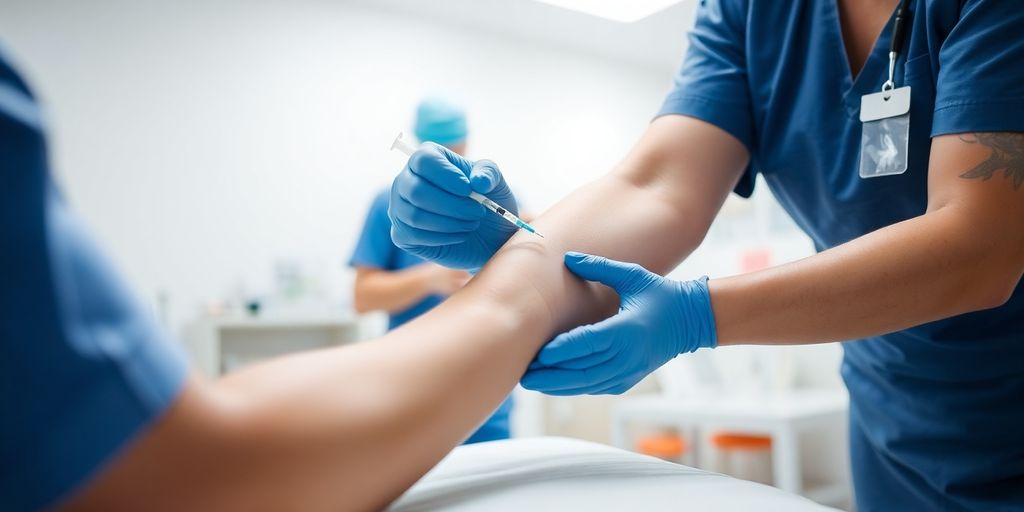
Finding a trustworthy place to get tested and treated for STDs is super important. You want to make sure you’re getting accurate results and the right care. Here’s how to find reliable centers in Thailand.
Key Clinics and Hospitals in Major Cities
Okay, so Bangkok has a bunch of options. Big hospitals like Bumrungrad and Bangkok Hospital definitely offer STD testing and treatment, but they can be pricey. There are also specialized clinics that focus on sexual health. In Chiang Mai, you can check out some of the private hospitals or clinics near the university. For Phuket, look into the international hospitals catering to tourists; they usually have good STD services. It’s always a good idea to call ahead and ask about their specific STD testing packages and if they have doctors who specialize in this area.
- Bangkok: Bangkok Hospital, Bumrungrad Hospital, Takecare Medical clinic
- Chiang Mai: Chiang Mai Ram Hospital, Rajavej Chiang Mai Hospital
- Phuket: Takecare medical clinic
Home Testing and Mobile Clinic Services
Home testing kits are becoming more popular, but you need to be careful. Make sure you’re buying from a reputable company and that the test is approved by a reliable health organization. Some clinics also offer mobile testing services, where they come to you. This can be a good option if you want more privacy or have trouble getting to a clinic. Just double-check that the service is legit and confidential.
Understanding Service Coverage Across Provinces
Service coverage can vary a lot depending on where you are in Thailand. Big cities usually have more options and better facilities. In more rural areas, you might have to travel to a larger town to get tested or treated. Public hospitals are an option, but they might not always have the most up-to-date testing methods or the most private setting. It’s worth doing some research online or asking for recommendations from local health organizations to find out what’s available in your area. Knowing what’s available can save you time and stress.
Finding a good clinic is about more than just location. It’s about finding a place where you feel comfortable and confident in the care you’re receiving. Don’t be afraid to ask questions and do your research to find the best fit for you.
Financial Considerations for STD Positive Care
Cost of Testing and Treatment Packages
Okay, let’s talk money. Getting tested and treated for STDs in Thailand involves different costs, and it’s good to know what to expect. Testing packages vary widely. For example, a standard package covering basic tests like HIV, Hepatitis B and C, and Syphilis might cost around 3,800 THB. More comprehensive packages, like an STI-14 package that checks for 14 different infections, could be closer to 7,500 THB. Treatment costs depend on the specific STD and the length of treatment needed.
Insurance Coverage and Payment Options
Insurance coverage for STD testing and treatment in Thailand can be a bit tricky. Many local insurance plans might not fully cover these services, especially if the testing isn’t deemed medically necessary. It’s always a good idea to check with your insurance provider to see what’s included in your policy. Payment options are usually pretty flexible. Most clinics and hospitals accept cash, credit cards, and bank transfers. Some places in Bangkok even allow walk-ins and counter payments, but other locations might require prepayment and booking in advance.
Affordable Care and Support Programs
Finding affordable care is definitely possible. Several organizations and clinics offer subsidized testing and treatment programs. Look into public hospitals or NGOs that focus on sexual health; they often have lower-cost options. Also, keep an eye out for special campaigns or events that provide free or discounted STD testing. Don’t hesitate to ask clinics about payment plans or sliding scale fees if you’re concerned about the cost. Remember, taking care of your health is an investment, and there are resources available to help make it more manageable.
It’s important to prioritize your health, but it’s also understandable to worry about the financial aspect. Researching different clinics, understanding your insurance coverage, and exploring available support programs can make a big difference in managing the costs associated with STD care.
Preventative Measures and Long-Term Health
It’s easy to feel overwhelmed after an STD diagnosis, but remember that taking control of your health is a sign of strength. Focusing on prevention and long-term well-being is key to living a healthy life. Let’s explore some ways to do just that.
Practicing Safe Sex in Thailand
Safe sex isn’t just a suggestion; it’s a necessity. Consistent and correct condom use is still one of the most effective ways to prevent the spread of STDs. But it’s more than just condoms. Communication with your partner is also important. Be open and honest about your status and history. Consider these points:
- Always use condoms correctly during every sexual encounter.
- Discuss STD status with partners before engaging in sexual activity.
- Consider other barrier methods like dental dams for oral sex.
Regular Screening and Check-Ups
Regular STD screening is vital, even if you’re feeling fine. Many STDs don’t show symptoms, so testing is the only way to know for sure. How often should you get tested? It depends on your risk factors, but annual testing is a good starting point. More frequent testing might be needed if you have multiple partners or engage in high-risk behaviors. It’s a good idea to find a clinic you trust and make regular check-ups a part of your routine. Early detection is key to preventing long-term health problems.
Accessing PrEP and PEP in Thailand
PrEP (pre-exposure prophylaxis) and PEP (post-exposure prophylaxis) are powerful tools in the fight against HIV. PrEP is for people who are HIV-negative but at risk of infection. Taking PrEP daily can greatly reduce your risk. PEP, on the other hand, is for emergency situations after a potential exposure to HIV. It needs to be started within 72 hours to be effective. Talk to your doctor to see if PrEP or PEP is right for you. Some clinics now offer HIV prevention and treatment, including PrEP and PEP.
Taking care of your sexual health is an ongoing process. It’s about making informed choices, staying proactive, and seeking support when you need it. Don’t be afraid to ask questions and advocate for your well-being.
Support and Resources for STD Positive Individuals
It’s normal to feel overwhelmed after an STD diagnosis. Knowing you’re not alone and having access to support can make a big difference. There are resources available to help you cope with the emotional, mental, and practical aspects of living with an STD.
Counseling and Mental Health Support
Getting an STD diagnosis can bring up a lot of feelings – anxiety, shame, fear, and even anger. Talking to a therapist or counselor can help you process these emotions in a healthy way. Counseling provides a safe space to discuss your concerns, develop coping strategies, and improve your overall mental well-being. Many clinics and hospitals in Thailand offer counseling services specifically tailored for individuals with STDs. Don’t hesitate to reach out; it’s a sign of strength, not weakness.
Community Groups and Online Forums
Connecting with others who understand what you’re going through can be incredibly validating. Community groups and online forums offer a chance to share experiences, ask questions, and receive support from peers. These platforms can help you feel less isolated and more empowered to manage your health. Look for groups that focus on specific STDs or general sexual health. You can find these groups through hospitals, clinics, or online searches.
Wrapping Things Up
So, if you find yourself in Thailand and get an STD positive result, don’t panic. It’s a lot to take in, for sure. But remember, there are places and people ready to help you out. Getting tested, understanding your options, and taking care of yourself are the main things. You’re not alone in this, and getting the right support makes a big difference. Just take it one step at a time, and you’ll get through it.
Frequently Asked Questions
What should I do right after I get a positive STD test result in Thailand?
After getting your results, the first thing to do is stay calm. Then, talk to a doctor right away to understand what your diagnosis means and what steps you need to take next.
Can I get anonymous STD testing and treatment in Thailand?
Yes, many clinics and hospitals in Thailand offer private and anonymous STD testing and treatment. They understand the need for privacy, so your information is kept safe.
How much does STD testing and treatment cost in Thailand?
The cost of STD testing and treatment can change depending on the type of test, the treatment needed, and where you go. Some places offer packages that can be more affordable. It’s a good idea to ask about prices upfront.
Where can I find reliable STD testing centers in Thailand?
There are many good places to get tested. Big cities like Bangkok, Phuket, and Chiang Mai have several clinics and hospitals that specialize in sexual health. You can also find services that come to your home.
Are PrEP and PEP available in Thailand?
Yes, you can get medicines like PrEP (to prevent HIV) and PEP (after possible exposure to HIV) in Thailand. Doctors can help you figure out if these are right for you.
Do I need to tell my sexual partners if I have an STD?
It’s important to tell your partners so they can get tested and treated too. This helps stop the spread of STDs. Your doctor can give you advice on how to talk to them safely and privately.


