Clinically reviewed by Dr. Ponlawat Pitsuwan, Physician, Doctor Samui. Last reviewed: August 2026
The rabies vaccine is free in Thailand for Thai nationals and registered residents. Foreign tourists are not eligible for free treatment and will pay per dose at government hospitals. On Koh Samui, Doctor Samui offers same-day walk-in and 24/7 hotel and villa visits for rabies post-exposure treatment, including rabies immunoglobulin (RIG) when needed.
You are walking back from the viewpoint above Bophut when a temple dog cuts across the path and bites your ankle. You wash it under a tap, then you start searching: can you go to the government hospital and get the vaccine for free? The answer is no, not if you are a tourist. And getting this wrong costs you time that, with rabies, you cannot afford to lose.
Thailand does offer subsidised rabies treatment through its public health system, but that provision is built for Thai nationals and people with official residency. Tourists who arrive at Koh Samui Hospital expecting free shots often find they are paying per dose anyway, sometimes after a long wait, with limited English support. Knowing what to expect before you walk through that door makes a real difference.

The Rabies Risk on Koh Samui Is Real and Specific
This is not generic Thailand travel advice. Koh Samui has its own animal risk profile, and our Chaweng clinic sees bite injuries from it regularly.
Temple dogs in Nathon and Bophut are often unvaccinated and territorial near their grounds. Beach dogs along the ring road approach tourists for food and can bite without much warning. The macaques at the Overlap Stone viewpoint and around certain waterfalls are used to people and will scratch or bite if you get too close or if they snatch food from your hand. Bats are present across the island and rarely discussed, but any bat contact, even a scratch you are unsure about, is treated as a serious exposure.
Rabies is still circulating in Thailand. It is not a distant risk. If an infected animal bites you and you do not get treated in time, the outcome is fatal.
Is the Rabies Vaccine Really Free in Thailand, and For Whom?
The short answer: free for Thai nationals. Not for tourists.
Thailand’s government health system subsidises rabies post-exposure prophylaxis (PEP), which is the course of vaccines given after a bite or scratch from a potentially rabid animal. At public health centres and major provincial hospitals, this subsidy sits inside the national health coverage scheme. Thai citizens and people registered under that scheme pay very little or nothing per dose.
Foreign tourists are outside that scheme. You can be seen and treated at government hospitals, but you pay the unsubsidised rate per dose. At Koh Samui Hospital, that cost is lower than at a private international hospital, but it is not free. Budget for multiple visits across several weeks, because PEP is given as a course, not a single shot.
What Actually Happens at Koh Samui’s Government Hospital
Most tourists who have tried the government hospital describe the same experience. Long wait. Paperwork in Thai. A triage system that is not built around the urgency a tourist feels after a bite.
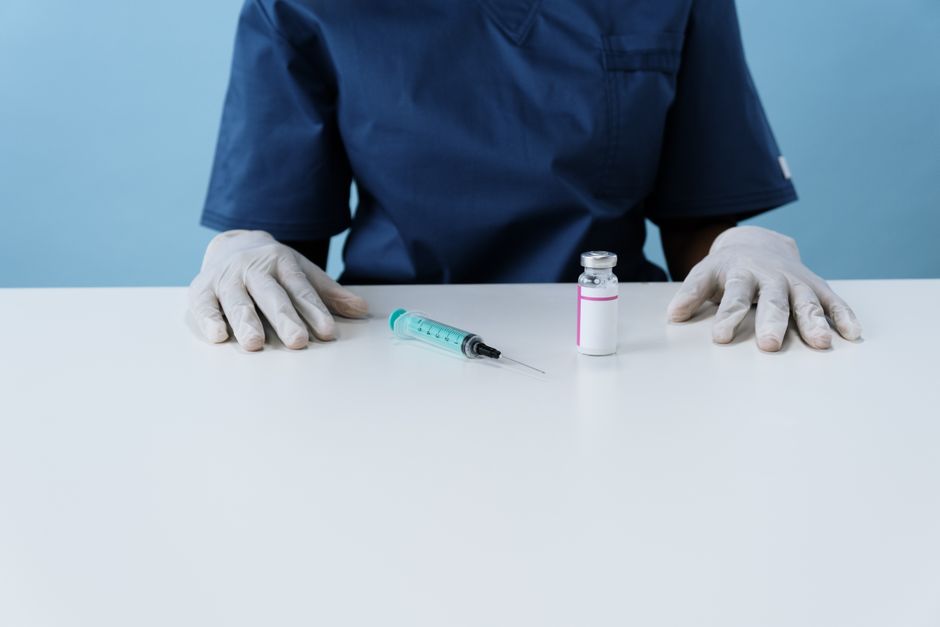
Koh Samui Hospital in Nathon handles rabies PEP cases, but it is a busy district hospital serving the whole island. English language support is limited and inconsistent. If you arrive on a weekend or after hours, your wait gets longer. For Day 0, the first and most time-sensitive dose, that delay matters.
The bigger clinical issue is rabies immunoglobulin, known as RIG. RIG is a separate product from the vaccine and is needed for unvaccinated patients with severe bites. Stock levels at smaller government facilities can be inconsistent. Call ahead to confirm availability before you make the trip.
Understanding WHO Exposure Categories, and Why It Changes Your Treatment
Not every bite is the same. The WHO groups animal exposures into three categories, and which one applies determines exactly what you need.
Category I is contact with an animal’s intact skin, no scratch, no wound, no saliva on broken skin. No treatment is needed. Category II is minor scratches, small abrasions, or licks on broken skin. You need the vaccine course. Category III is the serious one: deep bites, multiple wounds, bites to the head, neck, or hands, scratches from bats, or any penetration that bled. Category III requires both the vaccine course and RIG given at the same visit on Day 0.
If your bite is Category III and the facility you attend does not have RIG in stock, you have a problem. This is the scenario where going directly to a clinic that stocks RIG and can see you the same day is clinically important, not just convenient.
What You Will Actually Pay: Government Hospital Versus Private Clinic
| Government Hospital (Koh Samui) | Doctor Samui Private Clinic | |
|---|---|---|
| Eligibility for free treatment | Thai nationals and registered residents only | Fee per service |
| Cost per vaccine dose (approximate) | 300 to 600 THB for tourists | 800 to 1,200 THB per dose |
| RIG if Category III | Available inconsistently; call ahead | Stocked; administered same day |
| English-speaking staff | Limited, not guaranteed | Yes |
| Wait time Day 0 | Variable; can be several hours | Same-day, walk-in or hotel visit |
| Written vaccination certificate | May be issued; ask specifically | Issued as standard |
| Hotel or villa visit option | No | Yes, 24/7 across the island |
Travel insurance almost always covers rabies PEP as an acute medical emergency. Keep every receipt. Request an itemised bill and a written vaccination certificate showing the vaccine brand, dose number, and date. You will need this for your insurer and for any clinic that continues your course after you leave Samui.
When You Cannot Get to a Clinic
Some patients are staying in villas near Taling Ngam or on the west coast, an hour from Chaweng with no car. Others have a child who just had a dog bite and cannot face a long wait in a hospital queue with a frightened six-year-old. A few are in resort hotels where the front desk does not know what to do.
Doctor Samui runs 24/7 hotel and villa visits across the island, including Lamai, Maenam, Choeng Mon, Bang Rak, and the west coast. For Day 0 rabies treatment, a doctor can come to you, assess the wound, clean it properly, administer the vaccine, and arrange RIG if your exposure is Category III. You do not have to travel in pain or panic to get your first dose started on time.
Continuing Your Course After You Leave Koh Samui
The standard PEP schedule runs doses on Day 0, Day 3, and Day 7. Some protocols add a Day 21 or Day 28 dose. If you leave Samui between doses, the course does not restart. You pick it up from wherever you are in the schedule, at any WHO-standard clinic in Thailand or in your home country.
What you need is a written vaccination certificate from the clinic that gave your first doses. This shows the vaccine brand, commonly Verorab or Speeda in Thailand, the dose number, and the date of each injection. Doctor Samui issues this certificate as standard at every rabies visit. Show it to the next clinic and they continue your course without repeating doses.
If you missed a dose slightly, do not restart the series. Call a clinic, give them your schedule, and they will advise. The course is forgiving on timing as long as you keep going.
Pre-Exposure Rabies Vaccination Before Your Trip
If you are planning to spend significant time on Samui around animals, working with children, doing rural activities, or staying for several months, a pre-exposure rabies vaccine course is worth discussing before you arrive.
Pre-exposure prophylaxis is a short course of two shots given before any bite happens. It does not mean you skip treatment after a bite. It means you need fewer post-bite doses and, critically, you no longer need RIG even in a Category III exposure. For families travelling with young children who will be on beaches and around animals, this is a conversation worth having early. You can arrange pre-exposure rabies vaccination at our Chaweng clinic or book a consultation to find out whether it fits your trip.
If you or your child has been bitten or scratched by an animal on Koh Samui, do not wait. Doctor Samui offers same-day rabies post-exposure treatment at our Chaweng walk-in clinic, and 24/7 doctor visits to hotels and villas across the island including Lamai, Bophut, Maenam, Choeng Mon, and the west coast. We stock rabies vaccine and RIG, administer all doses in-schedule, and provide a written vaccination certificate so your course can continue wherever you go next. English, German, and Hebrew-speaking staff are available.
FAQ
Dr. Ponlawat Pitsuwan
Physician, Doctor Samui
a walk-in clinic based in Chaweng, Koh Samui, with 24/7 hotel and villa visits across the island. He sees tourists, families, and long-stay expats for animal bite assessment, rabies post-exposure prophylaxis, wound care, and travel health including pre-exposure rabies vaccination. His focus is straightforward, evidence-based care delivered in plain language.