Clinically reviewed by Dr. Ponlawat Pitsuwan, Physician, Doctor Samui. Last reviewed: August 2026
There is no safe depth for a dog bite when the skin is broken. Any wound that lets saliva reach living tissue can carry rabies virus. What actually determines your risk and your treatment is the WHO exposure category, the location of the bite, and the vaccination status of the animal. If a stray dog breaks your skin anywhere on Koh Samui, get assessed the same day.
You are walking the temple path at Wat Plai Laem when a dog darts out and catches your hand. It barely bleeds. You look at it, think it is nothing, and wonder if it is really worth finding a clinic. That moment of hesitation is the one that matters most.
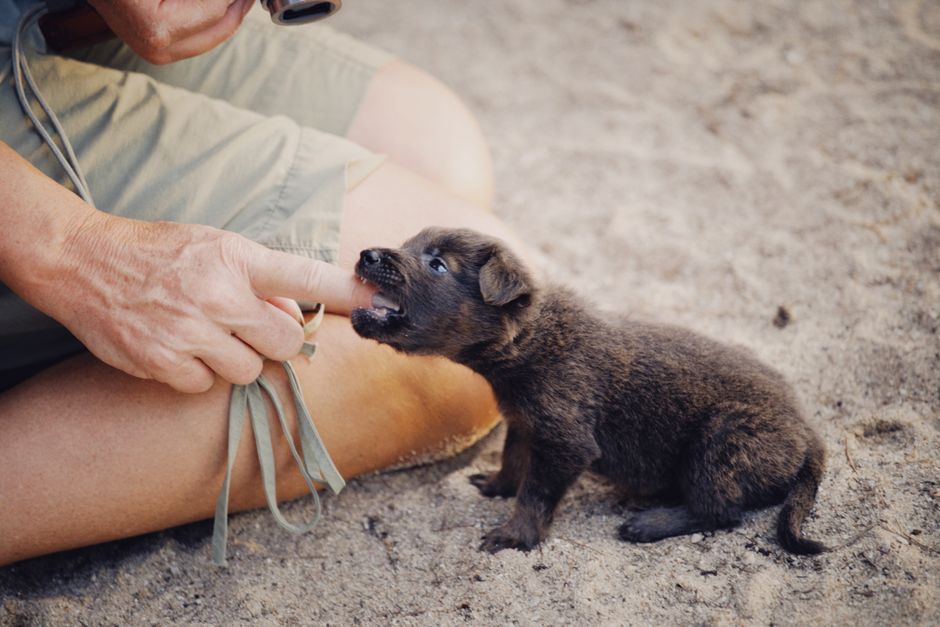
Depth is the wrong question. What actually matters is whether the skin is broken and whether saliva reached the wound. Rabies does not need a deep puncture to enter the body. It travels along nerve fibres from the wound toward the brain, and that process can begin from a scratch that barely marks the skin. Thailand is a rabies-endemic country. On Koh Samui, stray dogs are present at every beach, temple, and night market, and most have unknown vaccination histories regardless of how they look.
Why Depth Alone Does Not Determine Your Rabies Risk
The logic that a small wound means small risk makes sense for most injuries. With rabies, it does not apply.
The virus travels along peripheral nerves, not through the bloodstream. Saliva touching any break in skin, even a superficial graze, gives it a route inward. A bite that barely bleeds can carry the same significance as a deep puncture if saliva entered the tissue.
What changes with depth is the volume of exposure at the wound site and, in some cases, the treatment plan. But the decision to start post-exposure prophylaxis (PEP), the treatment given after a bite to prevent rabies, rests on three things together: how the skin was broken, where on the body, and what is known about the animal.
The WHO Three-Category System — Which Category Are You In?
The World Health Organization divides exposures into three categories. Clinicians use this system to decide whether you need no treatment, a vaccine course only, or a vaccine plus rabies immunoglobulin (RIG).
| Category | What happened | Action required |
|---|---|---|
| I | Touched or fed the animal. Lick on intact skin. No skin broken. | None. Wash hands. |
| II | Nibble on exposed skin. Minor scratch or abrasion. No bleeding. | Rabies vaccine course. Wash wound immediately. |
| III | Bite that breaks skin and bleeds. Scratch that bleeds. Saliva on eyes, mouth, or nose. Any bite to the head, face, or neck. | Rabies vaccine plus RIG at the wound site, same day. |
Category II is where most people underestimate their risk. A graze with no blood is still a Category II exposure and still requires a full vaccine course.
Category III is urgent. RIG provides ready-made antibodies while your immune system responds to the vaccine over the following week or two. A doctor must inject RIG directly into and around the bite site. You cannot replicate this at a pharmacy.
Why the Location of a Dog Bite Matters as Much as the Depth
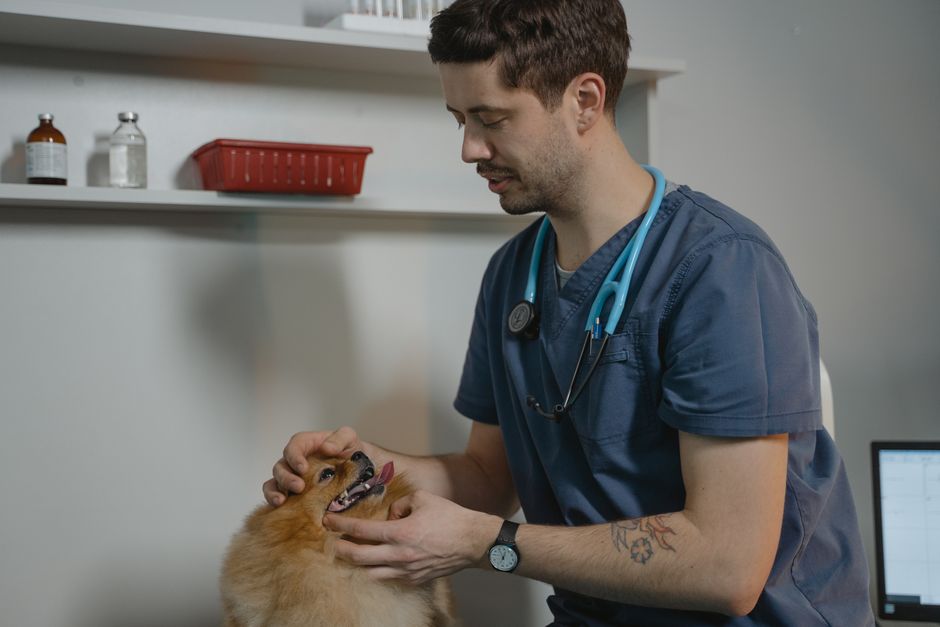
A bite on the ankle and a bite on the face are not the same risk, even if they look identical. The closer the wound is to the brain, the less time the virus takes to reach the central nervous system.
Bites to the head, neck, and face are automatic Category III regardless of depth. Bites to the hands and fingers carry elevated risk because of the dense nerve networks there. Children are commonly bitten on the hands or face because they reach out to touch or feed dogs at eye level.
If your child is bitten on the hand or face, treat it as urgent regardless of how minor the wound looks. Doctor Samui’s team makes 24/7 visits to hotels and villas across the island, so you do not need to bundle a frightened child into a taxi to get assessed quickly.
The Koh Samui Reality — Stray Dogs, Collars, and a Myth Worth Busting
Beach wisdom gets this one wrong, and it can make things worse. At least once a week someone tells us the dog had a collar, so it must have been vaccinated. Not on Koh Samui. Collars here are placed by the locals who feed community strays. They carry no vaccination information. The only confirmation of a dog’s rabies vaccination is a stamped veterinary booklet with a current entry. Without that, WHO protocol and Thai Ministry of Public Health guidelines both require treating the animal as unvaccinated.
Temples, beaches, Fisherman’s Village, the night markets, the ring road — strays are present at all of them. Tourists interact with them constantly, often without recognising the risk. Thailand’s control programmes have reduced rabies cases significantly, but transmission still occurs, and Samui’s free-roaming dog population is large.
Pre-exposure vaccination before you travel reduces the urgency after a bite but does not remove the need for PEP. It means you will need fewer post-bite doses and, in most cases, no RIG. If you are planning extended outdoor time or activities like hiking to Na Muang waterfall or reef trips off Lamai, ask about pre-exposure options at the rabies vaccine page for Koh Samui.
What to Do in the First 15 Minutes Before You Reach a Clinic
Do this before anything else. Wash the wound with soap and running water for a full 15 minutes. This is not optional. Thorough wound washing is the single most effective immediate step for reducing viral exposure at the site. Use whatever soap is nearby and rinse well.
After washing, apply an antiseptic if you have one: povidone-iodine or alcohol. Do not bandage it tightly. Do not apply anything that seals the wound before a doctor sees it.
Then contact a clinic the same day. Do not wait to see how it looks in the morning. Rabies has no effective treatment once symptoms appear. The incubation period can be weeks or months, which means everything depends on acting before the virus reaches the brain.
What Happens When You See a Doctor at Our Chaweng Clinic
When you come in or call for a hotel visit, the assessment follows a clear sequence. We look at the wound, classify it by WHO category, ask about the animal and its vaccination history, and check your own vaccination record including any pre-exposure rabies shots and your tetanus status.
For Category II exposures, we start the vaccine course and schedule your follow-up doses. For Category III, we administer RIG directly at the wound site and begin the vaccine the same day. Vaccine cold-chain storage is maintained at our Chaweng clinic to ensure every dose is effective.
Dog bites also carry tetanus risk independently of rabies. Many travellers have not had a booster in over ten years, so we check that on the same visit. You can read more about dog bite assessment and treatment on Koh Samui if you want to understand what to expect before you come in.
If getting to the clinic is difficult, call us. Our 24/7 hotel and villa visits cover Chaweng, Bophut, Lamai, Maenam, Choeng Mon, and the rest of the island. Distance from the clinic is never a reason to delay care after a dog bite on Samui.
Bitten or scratched by a dog on Koh Samui? Doctor Samui’s Chaweng clinic is open for walk-in assessment every day, and our doctors make 24/7 visits to hotels and villas across the island. We carry rabies vaccine and can arrange RIG, wound cleaning, and tetanus assessment on the same visit. Do not wait overnight to see how it looks. Contact Doctor Samui now.
Does a dog bite have to bleed to risk rabies?
No. Bleeding is not the threshold. WHO Category II, which requires a full vaccine course, covers superficial scratches with no bleeding at all. The key question is whether saliva contacted broken skin. A lick on completely intact skin is Category I and carries no rabies risk, but any skin breach changes that immediately.
A stray scratched me on Koh Samui but it looks minor — do I really need to see a doctor?
Yes. Thailand is rabies-endemic, and Samui’s strays have unknown vaccination status regardless of whether they are wearing a collar. The incubation period means you could be back home for weeks before symptoms appear. Doctor Samui offers same-day walk-in assessment in Chaweng and 24/7 hotel visits across the island, so there is no logistical reason to put this off.
What is the difference between the rabies vaccine and rabies immunoglobulin?
The vaccine trains your immune system to produce antibodies, which takes one to two weeks. RIG provides ready-made antibodies immediately to cover that window. RIG is required for Category III exposures, which include bleeding wounds and any bite to the head, neck, or hands. A doctor needs to examine the wound to make that call — you cannot determine the category by looking at the bite yourself.
My child was bitten by a dog on the beach — what do I do right now?
Wash the wound with soap and running water for 15 minutes, then call us immediately. Children are frequently bitten on the hands or face, both of which are high-priority locations that require urgent assessment regardless of how minor the wound appears. Doctor Samui can come directly to your hotel or villa if travelling with an injured child makes getting to the clinic difficult.
Does a collar on a Koh Samui stray mean it has been vaccinated?
No. Collars on Samui’s community dogs are placed by local feeders and carry no vaccination information. The only confirmation of rabies vaccination is a stamped veterinary booklet with a current, dated entry. Without that documentation, WHO and Thai Ministry of Public Health protocols both require treating the animal as unvaccinated.
If I had pre-exposure rabies vaccination before travelling, am I protected after a bite?
Pre-exposure vaccination reduces urgency but does not eliminate the need for assessment and likely PEP after a real exposure. It means you will need fewer post-bite vaccine doses and, in most cases, no RIG. You still need to see a doctor the same day. Bring your vaccination record if you have it, and tell the clinic when you had your shots.
Dr. Ponlawat Pitsuwan
Physician, Doctor Samui
a walk-in clinic based in Chaweng, Koh Samui, with 24/7 hotel and villa visits across the island. He assesses and treats dog bites, administers rabies post-exposure prophylaxis, and manages animal-related injuries for tourists, families, and long-stay expats on Koh Samui. His focus is straightforward, evidence-based care delivered in plain language.