Clinically reviewed by Dr. Ponlawat Pitsuwan, Physician, Doctor Samui.
Last reviewed: October 2026
GLP-1 receptor agonists like semaglutide and tirzepatide can support meaningful weight loss in women over 50, including those dealing with menopausal weight gain driven by falling estrogen and insulin resistance. They work best alongside good protein intake, resistance exercise, and where appropriate, hormone replacement therapy. A medical assessment is needed before starting to check eligibility and rule out contraindications specific to older women.
You have been eating the same way for years, staying active, doing everything right. Then perimenopause arrives, and the weight settles around your middle anyway. That shift is not a willpower problem. It is hormonal, and it responds poorly to the same strategies that worked before.
GLP-1 receptor agonists, a class of weekly injections that includes semaglutide and tirzepatide, are among the most evidence-backed tools for this specific kind of weight gain. They change how your brain reads hunger, how your body handles blood sugar, and how efficiently it burns visceral fat, the deep belly fat that builds up after estrogen levels drop. This article explains how they work for women over 50, what recent research shows about combining them with hormone replacement therapy, and what to know before starting.
Why Menopause Makes Weight Loss So Much Harder
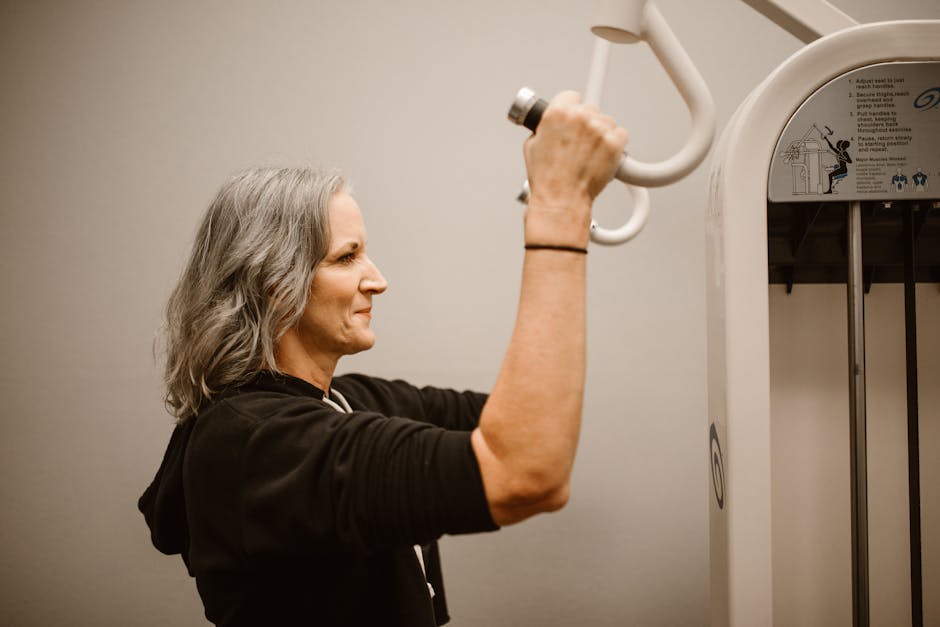
Estrogen does more than regulate your cycle. It shapes how your body distributes fat, how sensitive your cells are to insulin, and how efficiently your metabolism runs. When estrogen declines in perimenopause and after, fat shifts from the hips and thighs toward the abdomen. That change raises cardiovascular risk and makes insulin resistance worse.
Insulin resistance means your body needs more insulin to manage blood sugar. That extra insulin promotes fat storage and makes weight loss harder even in a calorie deficit. The result is a body that holds onto fat more stubbornly than it did before, particularly around the middle.
GLP-1, or glucagon-like peptide-1, is a hormone your gut produces naturally after eating. It tells the brain you are full and slows stomach emptying. In postmenopausal women, natural GLP-1 signalling can become less effective. GLP-1 receptor agonist injections bypass that by delivering a stronger, longer-acting signal directly.
Who Is a Good Candidate for GLP-1 After 50
Current prescribing guidelines support GLP-1 use in adults with a BMI of 30 or above, or a BMI of 27 or above with at least one weight-related health condition such as high blood pressure, type 2 diabetes, or elevated cardiovascular risk. For postmenopausal women, central adiposity and insulin resistance often satisfy the clinical criteria even when overall BMI looks borderline.
Not everyone is suitable. Women with a personal or family history of medullary thyroid cancer or multiple endocrine neoplasia type 2 should not use GLP-1 receptor agonists. A history of pancreatitis also needs careful review. Women over 50 are also more likely to be on multiple medications, so a full medication review is part of any responsible assessment before prescribing.
The distinction between perimenopause and postmenopause matters clinically. Perimenopause involves fluctuating hormone levels and unpredictable cycles. Postmenopause is the period after 12 consecutive months without a period. Both groups can be candidates, but the hormonal picture is different and a proper assessment will take that into account.

How GLP-1 Targets Menopause Belly Fat
Visceral fat, stored deep around the abdominal organs, is metabolically active in a way surface fat is not. It drives inflammation, worsens insulin resistance, and raises cardiovascular risk. It is also the fat most strongly linked to the estrogen decline of menopause.
Clinical trials consistently show that GLP-1 receptor agonists reduce total body weight, with a meaningful proportion coming from visceral fat. The STEP 1 trial of semaglutide showed substantial reductions in waist circumference alongside overall weight loss, reflecting loss of central adiposity rather than just surface fat. Tirzepatide trials showed similar or greater effects on body composition.
This matters specifically for women over 50 because reducing visceral fat improves insulin sensitivity, lowers blood pressure, and reduces cardiovascular risk. The weight loss itself is not the only goal.
GLP-1 and HRT Together: What the Research Shows
For women already on hormone replacement therapy, or considering it, combining with a GLP-1 receptor agonist is increasingly relevant. Preliminary data presented at the Menopause Society annual meeting in October 2026, from a retrospective cohort study, found that women using both hormone therapy and semaglutide lost more weight than those on semaglutide alone. The Menopause Society noted these findings should be considered preliminary until published in a peer-reviewed journal, and the researchers cautioned that firm conclusions cannot yet be drawn. HRT addresses the hormonal environment that makes weight loss harder, while the GLP-1 drug directly reduces appetite and food intake.
HRT is not prescribed for weight loss alone. It has its own eligibility criteria and contraindications, with clear benefits for vasomotor symptoms like hot flashes and for bone and cardiovascular health. The two treatments address different mechanisms and are assessed separately.
If you are already on HRT and considering a GLP-1, or the other way around, a single consultation at Doctor Samui can review both. The aim is to look at the full picture and discuss whether each treatment is appropriate for you.
Protecting Muscle and Bone on GLP-1 After 50
Any significant calorie deficit causes some loss of lean mass alongside fat. For women over 50, this is a real concern. Postmenopausal women already have an elevated baseline risk of bone mineral density loss and sarcopenia, the gradual loss of muscle mass that comes with age.
A DEXA scan before starting measures both bone mineral density and body composition, giving you and your doctor a clear starting point to monitor against. Doctor Samui can refer you for this baseline testing before you begin treatment.
To protect lean mass during treatment, adequate protein intake matters. Current evidence supports a target of around 1.2 to 1.6 grams of protein per kilogram of body weight per day, though your exact target should be confirmed with a clinician. Regular resistance training, at least twice a week, helps preserve and rebuild muscle while the GLP-1 reduces fat. For women over 50, this is a core part of making the treatment work well.
Benefits Beyond Weight Loss for Women Over 50
The SELECT trial, which studied semaglutide in adults with overweight or obesity and established cardiovascular disease, found a reduction in major cardiovascular events. Cardiovascular risk rises after menopause, partly because estrogen had a protective role. For postmenopausal women with existing risk factors, this benefit is directly relevant.
There is also evidence around hot flashes. GLP-1 receptor agonists do not act on estrogen or directly reduce vasomotor symptoms. The Menopause Society recognises significant weight loss as an effective non-hormonal strategy for reducing the frequency and severity of hot flashes. For women who cannot or prefer not to use HRT, meaningful weight reduction through a GLP-1 may reduce symptom burden as a secondary effect.
Improved blood sugar control is a further benefit for women with prediabetes or insulin resistance, both common after menopause.
What to Expect: Dosing, Side Effects and the First Few Weeks
Both semaglutide and tirzepatide are given as subcutaneous injections, self-administered once a week into the abdomen, thigh, or upper arm. Treatment starts at a low dose and increases gradually over several weeks. This approach reduces the likelihood of side effects.
The most common side effects are nausea, constipation, and reduced appetite. These are usually most noticeable in the first few weeks after each dose increase and tend to ease as your body adjusts. Eating smaller meals, avoiding high-fat foods, and staying well hydrated all help.
Serious side effects are uncommon but include pancreatitis and gallbladder problems. If you develop severe abdominal pain, stop the injection and seek assessment promptly. For expats and long-stay visitors on Koh Samui, Doctor Samui’s walk-in clinic in Chaweng and 24/7 hotel and villa visit service means you are not left managing a side effect without access to a doctor.
Getting Started with GLP-1 Treatment on Koh Samui
Whether you are a long-stay expat, a medical visitor, or someone already partway through a GLP-1 programme started elsewhere, the practical question is the same: where do you access this treatment on Samui, and what does a proper consultation involve?
At the Doctor Samui clinic in Chaweng, a GLP-1 consultation covers eligibility based on current BMI and health history, a full medication review, discussion of HRT if relevant, and a plan for monitoring weight and side effects over time. If you are continuing a prescription started at home, the team can review your current dose and manage ongoing titration.
For women staying outside Chaweng, including those in Lamai, Bophut, Maenam, or further around the island, consultations and follow-up visits can be arranged at your accommodation. You can also book a health check-up in Koh Samui ahead of starting to establish your baseline and confirm you are a suitable candidate.
If you are a woman over 50 dealing with menopausal weight gain and want to know whether a GLP-1 injection is right for you, Doctor Samui offers full eligibility assessments at the Chaweng clinic and 24/7 visits across Koh Samui. We can review your health history, current medications, and hormone therapy status in a single consultation and discuss semaglutide or tirzepatide as part of a plan that protects muscle and bone alongside weight loss. Walk in or contact us to arrange a visit to your hotel or villa.
Frequently Asked Questions
Dr. Ponlawat Pitsuwan
Physician, Doctor Samui
a walk-in clinic based in Chaweng, Koh Samui, with 24/7 hotel and villa visits across the island. He sees tourists, families, and long-stay expats for GLP-1 weight management, menopausal health assessment, and ongoing chronic disease monitoring. His focus is straightforward, evidence-based care delivered in plain language.
References
- Wilding JPH, et al. Once-Weekly Semaglutide in Adults with Overweight or Obesity. New England Journal of Medicine, 2021.
- Jastreboff AM, et al. Tirzepatide Once Weekly for the Treatment of Obesity. New England Journal of Medicine, 2022.
- Lincoff AM, et al. Semaglutide and Cardiovascular Outcomes in Obesity without Diabetes (SELECT). New England Journal of Medicine, 2023.
- PatientCareOnline. Menopause hormone therapy linked to greater weight loss with semaglutide in real-world study. October 22, 2026.
- Davis SR, et al. Understanding weight gain at menopause. Climacteric, 2012.
The information in this article is for educational purposes only and does not constitute medical advice. It should not be used to self-diagnose or replace a consultation with a qualified physician. If you have concerns about your health, contact a licensed medical professional. For appointments at Doctor Samui, visit doctorsamui.com.