

Clinically reviewed by Dr. Ponlawat Pitsuwan, Physician, Doctor Samui. Last reviewed: October 2026
Baby diarrhea in Koh Samui’s heat can lead to dehydration faster than it would at home. For babies under 6 months, see a doctor within 24 hours of diarrhea starting. For older babies and toddlers, watch for dry diapers, no tears when crying, and sunken eyes. ORS sachets are available at any 7-Eleven or Boots in Chaweng. Doctor Samui offers same-day walk-in care and 24/7 hotel and villa visits across the island.
Your baby has been perfectly happy all week. Beach days, pool time, sleeping well. Then on day three, the nappies change. More frequent, looser, and now you are Googling at midnight from your hotel room wondering how worried you should be. This is one of the most common calls we get at Doctor Samui, and the answer depends almost entirely on your baby’s age and what you are seeing right now.
Koh Samui’s heat speeds everything up. A baby losing fluid through diarrhea here loses it faster than they would at home. Most cases are mild, manageable, and short-lived. But the warning signs in babies are different from those in adults, and most advice online is written for grown-ups. This guide is for parents on the island, right now, with a sick baby.

Is It Actually Diarrhea? How to Tell in Babies
This matters because breastfed babies normally pass loose, yellow, seedy stools several times a day. That is not diarrhea. Diarrhea in a baby means a sudden increase in how often they go, stools that are much more watery than usual, and sometimes a change in smell. If your breastfed newborn has always had soft, frequent stools, that is almost certainly normal. If your baby’s nappy pattern has shifted clearly in the last 12 to 24 hours, that is the change you are looking for.
For formula-fed babies, stools are usually firmer and less frequent. A sudden move to watery, frequent output is easier to spot. Trust your instincts. You know your baby’s normal.
What Causes Baby Diarrhea in Koh Samui Specifically
The usual cause is a virus, most commonly norovirus or rotavirus. Both spread easily in shared villa and resort settings, on surfaces, and through close contact. If one family member is sick, a baby sharing a room or pool can pick it up quickly. Bacterial gastroenteritis is less common but tends to produce worse symptoms, including fever and sometimes blood in the stool.
There are exposure routes in Samui that parents often do not think about. Formula prepared with tap water is a real risk. Koh Samui’s tap water is not safe for infants. Always use bottled water to prepare formula and to rinse bottles. Ice in hotel drinks handed to a toddler, beach sand and seawater swallowed during play, and resort buffet food sitting out in the heat are all routes babies encounter every day that adults rarely consider.
A change in diet and the heat itself can also loosen stools temporarily without true infection. If your baby is otherwise well, feeding normally, and producing wet nappies, that picture is reassuring.
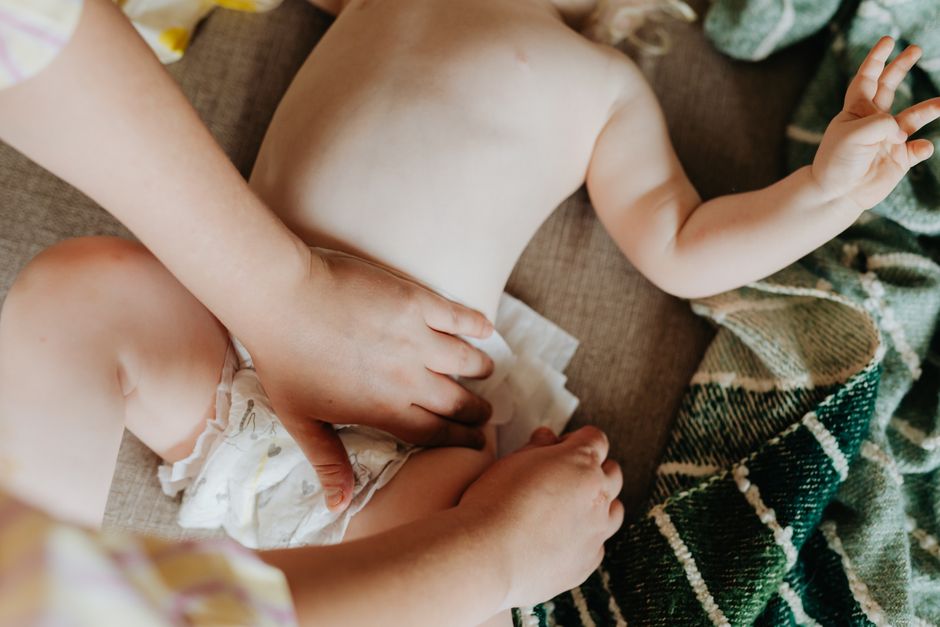
Signs of Dehydration in Babies: What to Check Right Now
This is what matters most. Dehydration in a baby looks different from dehydration in an adult. You cannot check for dark urine in a nappy. Here is what to look for instead.
Count the wet nappies. A baby who has not had a wet nappy in 6 or more hours is a concern. Watch for tears when your baby cries. No tears, or very few, is a warning sign. Check the soft spot on top of the head in babies under 12 months. A sunken fontanelle, one that curves inward rather than sitting flat, points to significant dehydration. Look at the eyes and mouth. Sunken eyes, a dry mouth, and cracked lips all point the same way.
Watch how your baby is holding themselves. A limp, floppy baby who is not responding normally needs to be seen immediately. In Koh Samui’s heat, these signs can appear faster than you expect. Do not wait to see if things improve on their own if two or more are present.
Age-Specific Thresholds for Baby Diarrhea in Koh Samui
Age is the most important factor, and this is where most general advice gets it wrong.
If your baby is under 6 months old and has diarrhea, see a doctor within 24 hours. Full stop. Babies this small have very small fluid reserves and can deteriorate quickly. However well they seem to be feeding, the threshold is lower and the window is shorter at this age.
If your baby is between 6 and 12 months, seek same-day assessment if they show any dehydration signs, cannot keep feeds down, or have a fever above 38°C alongside the diarrhea. If they seem well and are feeding, monitor closely and reassess every few hours.
For toddlers over 12 months, act before the standard 48-hour mark if there is blood in the stool, fever above 38.5°C, repeated vomiting that prevents any fluid going in, or your toddler is becoming visibly lethargic. In Samui’s heat, that window shrinks. A child who was fine yesterday can become dehydrated faster here than at home.
What to Feed Your Baby During Diarrhea
If you are breastfeeding, keep going. Feed on demand, and feed more often if your baby will take it. Breast milk provides hydration and immune support at exactly the moment your baby needs both. Do not stop, reduce, or switch to formula thinking it will be easier on the stomach.
If your baby is formula-fed, continue normal feeds at normal strength. Do not dilute the formula. Diluting it reduces the calories and electrolytes your baby needs and does not help the gut recover faster.
For babies over 6 months who have started solids, bland and easy to digest is the goal. Plain rice, banana, or khao tom (Thai rice soup, available at almost any local restaurant or hotel kitchen on the island) are good choices during the acute phase. Avoid anything sugary, fatty, or fruit-based.
Two things that parents often reach for in Koh Samui that should not be used as fluid replacements: coconut water and sports drinks. Both are widely available and often suggested by well-meaning hotel staff. Neither has the right balance of salts and sugar for an infant, and they can make fluid balance worse in young babies. The only safe fluid supplement for an infant with diarrhea is oral rehydration solution (ORS).
ORS sachets are available at every 7-Eleven, Boots, or pharmacy in Chaweng and across the island. Mix them only with bottled water. Give small sips frequently rather than large amounts at once. If your baby vomits after ORS, wait 10 minutes and try again with a smaller amount.
What Not to Give Your Baby From the Pharmacy
Loperamide, sold as Imodium, is contraindicated in children. Do not give it to your baby or toddler. It slows the gut, which sounds helpful, but it is dangerous in young children. It can trap the infection inside and mask worsening symptoms. No baby or young child should receive loperamide without a doctor’s direct instruction.
Antibiotics are sometimes the right treatment, but only after a doctor has assessed your child and identified a bacterial cause. Do not buy antibiotics over the counter for a baby with diarrhea. If your child needs them, you will be told. Our diarrhea treatment service includes stool testing when there is reason to suspect a bacterial infection, so nothing is being guessed at.
Probiotics are safe and may help shorten the duration of diarrhea in children. The supporting evidence is moderate. If you have them, give them. If not, they are not essential.
How Doctor Samui Can Help With Hotel and Villa Visits Across the Island
You do not need to put a sick, feverish baby into a taxi and drive across Koh Samui to get medical help. Doctor Samui offers 24/7 hotel and villa visits to every part of the island, including Chaweng, Lamai, Bophut, Maenam, Choeng Mon, and further afield. A doctor comes to you, assesses your baby in your room, and decides what is needed on the spot.
If your baby is significantly dehydrated and cannot keep ORS down, IV rehydration is an option we can arrange. We can run stool tests if a bacterial infection is suspected and provide a clinical note for your travel insurance claim. Most policies cover both clinic visits and hotel call-outs, and we provide the documentation you need.
If you are not sure whether your baby needs to be seen, call us or message on WhatsApp. We would rather you ask and hear that it can wait than hold off and find out it could not.
Not sure whether to wait or act? If your baby has diarrhea in Koh Samui, contact Doctor Samui now. We offer same-day walk-in care at our Chaweng clinic and 24/7 hotel and villa visits across the island. We can assess your baby’s hydration, run tests if needed, and arrange IV rehydration when oral fluids are not enough. English, German, and Hebrew speaking staff are available. You do not need to travel with a sick child to get help.
Frequently Asked Questions
Dr. Ponlawat Pitsuwan
Physician, Doctor Samui
a walk-in clinic based in Chaweng, Koh Samui, with 24/7 hotel and villa visits across the island. He sees tourists, families, and long-stay expats for paediatric illness, infant dehydration, gastroenteritis, and travel-related conditions affecting young children. His focus is straightforward, evidence-based care delivered in plain language.
