
Clinically reviewed by Dr. Ponlawat Pitsuwan, Physician, Doctor Samui. Last reviewed: August 2026
Most diarrhea medicine you need in Koh Samui is available at any pharmacy or 7-Eleven without a prescription. Oral rehydration salts are your first move, with loperamide for symptom relief when you have no fever and no blood in your stool. Antibiotics require a doctor, and buying them without one carries real risks. If symptoms last more than 48 hours, a child is unwell, or you cannot keep fluids down, Doctor Samui can assess and treat you at your hotel or villa, any time of day or night.
You were fine at lunch on the beach in Chaweng. By mid-afternoon, your stomach has its own plans. It might have been the seafood at a waterfront spot, a fruit shake made with tap-water ice, or the classic Koh Samui gut reset that catches a good portion of tourists every month. Whatever the cause, you need to act fast, and you are not sure whether to find a pharmacy, call a doctor, or just ride it out.
The honest answer is: it depends on your symptoms. Most cases of traveler’s diarrhea here settle with the right over-the-counter medicines and proper rehydration. Some need a prescription. A few need urgent care. This guide tells you exactly what to buy, where to get it, and when to stop treating yourself.

What You Can Buy Over the Counter in Koh Samui
Pharmacies are everywhere in Chaweng and Lamai, and most 7-Elevens stock the basics. You do not need a prescription for any of the following.
Oral rehydration salts, sold as ORS or under brand names like Lectade, are the single most important thing you can buy. Mix with clean bottled water and drink steadily. Dehydration in tropical heat moves faster than you expect, especially if you have spent the day snorkeling or on a trip out to Angthong Marine Park.
Loperamide, the generic version of Imodium, costs a few baht per tablet at most pharmacies. It slows your gut down and buys you time. Use it if your stools are watery, you have no fever, and there is no blood. Do not take it if you have a high fever or blood in your stool. It can make a bacterial infection significantly worse.
Nifuroxazide is an intestinal antiseptic sold over the counter in Thailand. Some pharmacies in the tourist zones recommend it routinely. It has limited evidence for most causes of traveler’s diarrhea and is not a substitute for a proper antibiotic when one is actually needed.
Probiotics containing Saccharomyces boulardii or Lactobacillus GG are available at larger pharmacies near Chaweng. Evidence for shortening diarrhea duration is moderate. They will not hurt, and some patients recover faster when taken alongside ORS.
What You Can Get at a 7-Eleven
You do not always need a pharmacy. Every 7-Eleven on the island stocks bottled water, electrolyte drinks like Pocari Sweat or Sponsor, and plain crackers. These are enough to keep you stable through a mild case while you decide your next step.
Pocari Sweat and Sponsor are isotonic drinks that replace electrolytes reasonably well. They contain more sugar and less sodium than a proper ORS sachet, so use them alongside ORS rather than instead of it. If sachets are not available, the isotonic drinks are a decent bridge.
Should You Buy Diarrhea Antibiotics Over the Counter at a Thai Pharmacy?
You can. That does not mean you should.
Thai pharmacies in tourist zones will often sell ciprofloxacin or similar antibiotics without a prescription. The problem is that most traveler’s diarrhea is viral, and antibiotics do nothing against a virus. Even when bacteria are the real cause, fluoroquinolone-resistant strains are well-documented in Thailand, so the wrong antibiotic can prolong your illness rather than shorten it.
A pharmacist cannot run a stool test. A doctor can. If you genuinely need an antibiotic, the right one matters.
What a Doctor Can Prescribe That a Pharmacy Cannot Safely Give You
When over-the-counter options are not enough, a doctor visit opens up better treatment options.
Azithromycin is currently the preferred antibiotic for bacterial traveler’s diarrhea in Southeast Asia, chosen partly because of resistance patterns with fluoroquinolones. Ondansetron stops vomiting, which means you can actually keep your ORS and other medicines down. Neither should be self-prescribed.
IV fluid therapy is available at the Doctor Samui Chaweng clinic and through hotel and villa visits. If you cannot keep anything down for several hours, oral rehydration stops working. IV fluids correct dehydration in under an hour. A stool test can identify whether a parasite like Giardia is involved, which changes the treatment entirely.
Diarrhea Medicine for Children — What Is Safe and What to Avoid
This is where parents most often go wrong, and the stakes are higher with kids.
Loperamide is not recommended for children under six. In older children it must be used with caution, and only if there is no fever and no blood. The cornerstone of treatment at any age is ORS, started immediately, given in small sips frequently. Every 7-Eleven on the island stocks it.
Antibiotic choices differ for children too. Azithromycin is generally preferred over fluoroquinolones. Do not give a child whatever a pharmacy hands over without a doctor’s input. If your child has a fever above 38.5°C, blood in the stool, or signs of dehydration such as dry mouth, no tears, or very dark urine, stop treating at home and get help. Doctor Samui sees children regularly and can come to your hotel or villa at any hour.
Why Dehydration Moves Faster in Koh Samui Than at Home
Koh Samui’s heat and humidity mean you are losing fluid through sweat even when you are resting indoors. Add active diarrhea on top and dehydration sets in faster than most visitors expect.
Watch for dizziness when you stand up, a dry mouth, very dark or almost no urine, and feeling faint. Most people feel okay sitting down, then stand to walk to the bathroom and nearly pass out. If that is happening, oral rehydration is not keeping pace and you likely need IV fluids rather than another sachet.
Warning Signs That Mean OTC Medicine Is Not Enough
Some symptoms mean stop self-treating and call a doctor.
Blood or mucus in your stool is a red flag. Fever above 38.5°C alongside diarrhea is a red flag. No improvement after 48 hours is a red flag. Any child showing signs of dehydration is a red flag. These patterns point to bacterial or parasitic infection. They need a clinical assessment, a stool test, and the right prescription, not another dose of loperamide. You can read more about where to get diarrhea treatment in Koh Samui if you are at that point.
How Doctor Samui Treats Diarrhea at Your Hotel or Villa
You do not have to get in a taxi to get proper care. Doctor Samui covers the whole island, including Chaweng, Lamai, Bophut, Maenam, and Choeng Mon, 24 hours a day.
A doctor comes to you, assesses your symptoms properly, and brings the right treatment. A visit includes a clinical assessment, prescription medicines selected for the actual cause, anti-nausea medication if needed, and IV fluids if you are significantly dehydrated. For families, children are assessed on-site with age-appropriate treatment. Cases needing a stool test are arranged quickly through the Chaweng clinic.
What to Eat While You Recover
Keep it simple. Bananas, plain boiled rice, plain crackers, and toast are a reasonable guide for the first day or two. All of these are easy to find on the island. Avoid dairy, spicy food, alcohol, and anything fried until your gut has had at least 24 hours without symptoms.
Sick with diarrhea in Koh Samui and not sure what to do next? Doctor Samui offers 24/7 hotel and villa visits across the island, including Chaweng, Lamai, Bophut, Maenam, and Choeng Mon. A doctor comes to you with the right medicines and IV fluids if needed, and can assess children on-site. Walk-in appointments are also available at the Chaweng clinic. Contact us any time, day or night.
Frequently Asked Questions
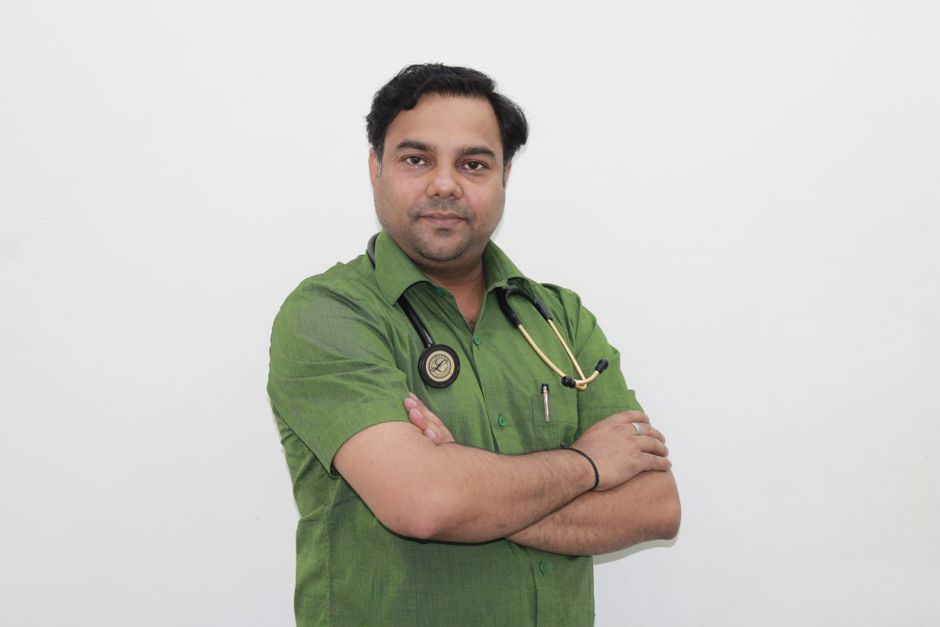
Dr. Ponlawat Pitsuwan
Physician, Doctor Samui
a walk-in clinic based in Chaweng, Koh Samui, offering 24/7 hotel and villa visits across the island. He regularly treats tourists, families, and long-stay expats for traveler’s diarrhea, food poisoning, and dehydration on Koh Samui. His focus is straightforward, evidence-based care delivered in plain language.