
Clinically reviewed by Dr. Ponlawat Pitsuwan, Physician, Doctor Samui.
Last reviewed: September 2026
If you think you have broken a bone on Koh Samui, stop moving the injured limb and do not try to walk it off. Most fractures cannot be confirmed without an X-ray, even when pain feels manageable. Doctor Samui offers 24/7 hotel and villa visits across the island, so you do not have to move an unstable injury to get assessed.
You came off a scooter on the Ring Road near Chaweng, or you slipped on a wet rock at Na Muang Waterfall, and now something feels very wrong. Your wrist is at a strange angle. Your ankle has ballooned in the last ten minutes. You are not sure if it is broken or badly sprained, and you are a long way from home.
That gap between the injury and knowing what to do next is where a lot of patients make things worse.
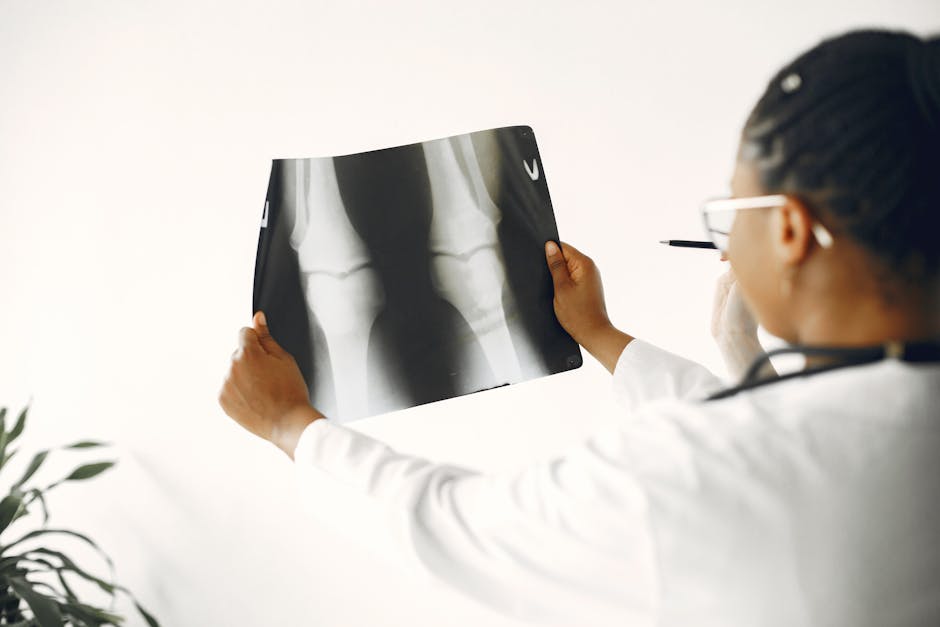
Stop putting weight on it, support it where it is, and get it assessed. You cannot tell a fracture from a serious sprain without an X-ray. Hairline fractures can feel surprisingly mild. Severe sprains can feel devastating. Both need proper care, and getting the treatment wrong has consequences that follow you home.
The Most Common Ways People Break Bones on Koh Samui
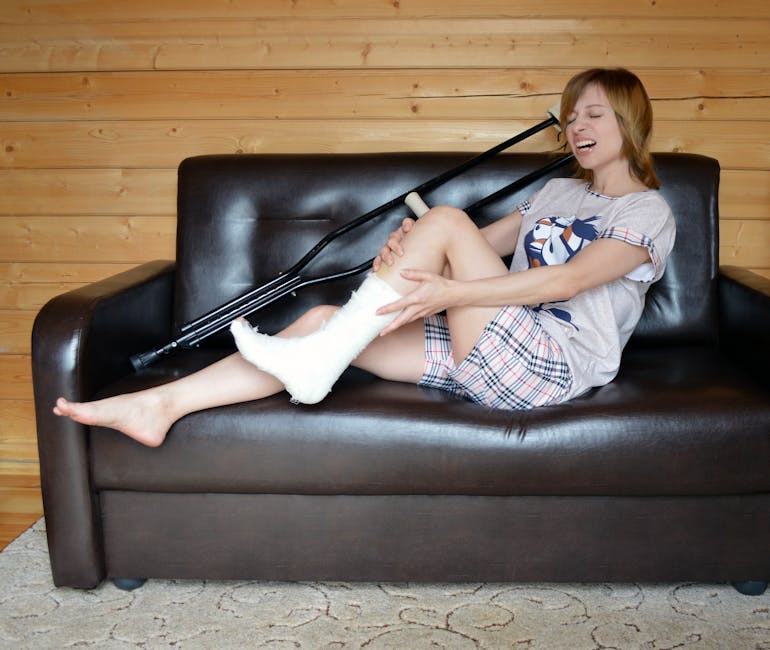
Scooter accidents are the single biggest cause. The Ring Road between Chaweng and Lamai has some genuinely dangerous bends, and many visitors ride without a valid motorbike licence or much experience. Wrist fractures from bracing a fall, collarbone breaks, and ankle injuries from bike rollovers are what we see most often at the Chaweng clinic.
Waterfall slips are the second most common. Na Muang and its surrounding trails look manageable, but wet rocks and bare feet are a reliable combination for ankle and foot fractures. Families with children are particularly at risk here.
Reef walks, boat boarding, and snorkelling trips cause their own share of injuries. Stepping onto a reef without shoes, or boarding a longtail on choppy water near Angthong, can fracture small foot bones in a way that feels more like a bad bruise until the swelling sets in.
Is It Broken or Just Sprained? How to Tell on the Spot
Honestly, you often cannot tell. Neither can a doctor without an X-ray. But some signs point strongly toward a fracture rather than a sprain.
You heard or felt a crack at the moment of injury. The limb looks wrong, sits at an odd angle, or has visible deformity. Swelling came up within minutes, not hours. You cannot bear any weight or use the limb at all. There is numbness, tingling, or pins and needles below the injury. Any one of these warrants an X-ray, not a wait-and-see approach.
A sprain can still be seriously painful. If any of the above apply, treat it as a fracture until proven otherwise.
What to Do in the First Ten Minutes After a Suspected Fracture
Do not try to straighten or reposition the limb. Leave it exactly where it is. Support it gently with whatever you have: a rolled jacket, a bag, your own hands.
Apply something cold if you can, wrapped in cloth and never directly on skin. This reduces swelling. Elevate the limb if it is a lower leg or ankle injury and you can do so without forcing it into an unnatural position. Do not eat or drink anything if there is any chance surgery will be needed. Take pain relief if you have it, and note the time and what you took.
Call for help. If you cannot walk and you are not near transport, this is exactly the situation where a hotel or villa doctor visit makes sense. You do not need to hobble to a tuk-tuk.
Red-Flag Signs That Need Immediate Emergency Care
Most fractures are serious but not immediately life-threatening. Some are. Go straight to Bangkok Hospital Samui or Wattanapat Hospital if any of the following are present.
The skin is broken at the fracture site. This is an open fracture and carries a serious infection risk. The limb below the injury is cold, pale, or has no pulse, which can suggest a blood vessel is damaged. There is major bleeding that will not stop. The injury involves the spine, pelvis, or thigh bone. The patient is losing consciousness or is confused after a fall.
These are not situations for a clinic or a home visit. Call 1669 for the Thai emergency ambulance service.
When You Cannot Move — Getting Assessed Without Making It Worse
For ankle, foot, and lower-leg fractures, the problem is not just the injury. It is getting somewhere for help without making things worse. Moving an unstabilised fracture, hopping through a hotel lobby, or squeezing into the back of a vehicle can shift the bone, cause more soft-tissue damage, or, in some cases, worsen an injury to a nearby blood vessel.
Doctor Samui runs 24/7 hotel and villa visits across Koh Samui, covering Chaweng, Lamai, Bophut, Maenam, Choeng Mon, and the rest of the island. A visiting doctor can assess the injury, apply a splint, give appropriate pain relief, and advise whether hospital transfer is needed for X-ray or surgery. That assessment saves you from making a bad decision under pain and panic.
Broken Bones in Children on Holiday
Children’s bones are different. Up until their late teens, they have growth plates at the ends of long bones, areas of softer, developing tissue. Fractures through a growth plate can be easy to miss on X-ray and can affect how the bone grows if not managed correctly.
If your child falls at a waterfall or off a resort-area bike and refuses to use an arm or leg, treat that as a fracture until an X-ray says otherwise. Children often cannot tell you exactly where it hurts, and they sometimes keep moving on a stress fracture because they do not understand the risk. Get it checked. Do not wait until morning.
A home or villa visit avoids the distress of a hospital waiting room when your child is already frightened and in pain.
Can You Fly Home with a Broken Bone? Fit-to-Fly After a Fracture on Koh Samui
This is the question we get most often once the initial panic settles. The short answer: it depends on the fracture, when it happened, and your flight length.
Most airlines require a fit-to-fly certificate if a cast was applied within 48 hours of your flight. For longer flights, a fresh plaster cast must be split to allow for the natural swelling that happens at altitude. Without this, the cast can act as a tourniquet. Blood clot risk is also higher in an immobilised limb on a long-haul flight, and a doctor may recommend compression or blood-thinning treatment before you board.
Do not book a return flight without speaking to a doctor first. Doctor Samui can provide fit-to-fly documentation and liaise with your insurer if medical repatriation is the better option. For full details on our accident and injury services, see our accident and trauma treatment page.
Travel Insurance and Costs for a Broken Bone on Koh Samui
Fracture treatment in Thailand costs significantly less than in Europe, Australia, or North America. A clinic consultation and X-ray runs far less than a hospital emergency visit back home. A cast or splint adds to that. Surgery at a private hospital, if needed, can reach into the hundreds of thousands of baht, which is why travel insurance is not optional.
There is one critical insurance issue specific to Koh Samui: many policies exclude scooter accidents if the rider did not hold a valid motorcycle licence in their home country, or was not wearing a helmet at the time. This is one of the most common problems we see. Read your policy before you rent a scooter. If you are already injured and worried about this, contact your insurer before you make any claims.
Doctor Samui can provide the medical documentation and reports needed to support an insurance claim, and can assist with pre-authorisation for hospital referral where your policy requires it. Full details are on our accidents and injuries page.
If you think you have broken a bone on Koh Samui, do not try to manage it alone. Doctor Samui is based in Chaweng and offers 24/7 hotel and villa visits across the island, from Maenam to Lamai and everywhere in between. We assess, splint, manage pain, refer to hospital when needed, and handle fit-to-fly and insurance documentation. Walk in or call us any time of day or night.
FAQ
Dr. Ponlawat Pitsuwan
Physician, Doctor Samui
a walk-in clinic based in Chaweng, Koh Samui, with 24/7 hotel and villa visits across the island. He regularly treats tourists, families, and long-stay expats for fractures, scooter injuries, waterfall trauma, and other musculoskeletal injuries. His focus is straightforward, evidence-based care delivered in plain language.
