
Clinically reviewed by Dr. Ponlawat Pitsuwan, Physician, Doctor Samui.
Last reviewed: November 2026
Rocky reef entries at Crystal Bay, Coral Cove and the Lamai headland cause coral cuts, rock lacerations and current-related fatigue every season. A surface graze with no embedded fragments, confirmed tetanus status, and no signs of fire coral can be managed at your accommodation with soap, fresh water and a clean dressing. Any wound deeper than a surface graze, any wound on the hands or feet, any wound that looks worse the next morning, or any wound you got while unsure of your tetanus history needs same-day assessment. Coral cuts in warm tropical water can become seriously infected within 24 to 48 hours.
You pull yourself up on the rocks at Coral Cove, mask still fogged, and notice the blood running down your shin before you feel anything. It happened fast: one swell, one misjudged step, one second of contact with the reef. The cut looks small. The question is whether small means fine.
Most coral cuts from the Samui headlands are manageable. The problem is that tropical seawater carries bacteria that do not behave like the bacteria in a street wound. What looks minor on the beach can look very different by the following morning. This guide covers the real hazards at each site, what to do in the first hour, and when to get seen the same day.
Crystal Bay, Coral Cove and the Lamai Rocks: What Makes Each Bay Awkward
These three sites sit along Samui’s east and southeast coast, all within a short ride of Chaweng and Lamai. They share a feature that makes them different from the sandy shore at Maenam or Bophut: granite boulders, shallow reef shelves, and limited beach to stand on. That combination is what makes the snorkelling good and the entry difficult.
Coral Cove sits between Chaweng and Lamai, tucked into a small bay with a rocky shoreline. Crystal Bay is further south, past Hua Thanon, exposed to open water on its outer edge. The Lamai Rocks run along the headland at the southern end of Lamai Beach. All three sites have coral within arm’s reach of the surface, which is exactly why contact injuries happen.
Entry Over Rocks, Sudden Drop-Offs and Currents Along the Headland
The granite boulders at these sites are rounded and slippery. Algae grows on anything that gets regular wave wash, and the footing disappears fast when a swell comes in. Tidal variation here is relatively small, but it matters: at lower tide, the rocks you expected to step over are exposed and sharp. At higher tide, the water covers them unevenly, making depth hard to judge.
Drop-offs happen quickly at Coral Cove and the Lamai headland. You can go from knee-deep to over your head in two or three fin kicks. That is not dangerous for a confident swimmer, but it means a tired snorkeller loses their footing option fast. Currents along the headlands run with and against the prevailing swell direction. They are rarely extreme, but they are persistent, and they do not feel strong until you try to swim against them.
Snorkelling Injuries: Cuts and Scrapes That Happen While You Are Still in the Water
The most common injuries are shin and foot lacerations from entry over rock, and hand and forearm scrapes from bracing against the reef. Both happen in seconds. The cut may not bleed much in the sea, which is misleading: saltwater constricts small vessels temporarily.
Coral fragments embed in tissue even with light contact. This is not visible to the eye at the time. A tiny piece of organic material left in a wound acts as a persistent irritant and prevents normal healing. Home rinsing with seawater does not remove these fragments. Vigorous fresh-water scrubbing helps, but professional irrigation is the reliable way to clear debris from a deeper scrape. The coral cut cleaning and dressing service at Doctor Samui covers this in a single visit.
Fire coral is present at all three sites. It does not look like branching coral: it is typically pale yellow-brown and encrusting. Contact produces a burning, itching rash rather than a clean cut. The first-aid approach is different: rinse the area with household vinegar to help prevent unfired stinging cells from discharging further, avoid rubbing the skin, and do not scrub the area the way you would a plain graze. If blistering develops, do not pop the blisters. Fire coral injuries covering a large area or affecting the face need clinical assessment.

Currents, Fatigue and When to Abort the Snorkel and Head for the Sand
Fatigue is underrated as a hazard at rocky reef sites. The entry itself burns energy: picking your way over slippery boulders in fins, timing swells, bracing against wave wash. By the time you are in the water, you have already done work. A snorkeller tired from the entry has less margin when the current picks up.
The sign to watch for is when forward progress requires consistent effort. If you are finning steadily and not moving, that is the moment to turn around. Do not wait until you are exhausted. Rocky shorelines give you fewer exit options than a sandy beach does.
If you are snorkelling with young children at these sites, an adult should be in the water at all times and within arm’s reach. Children tire quickly, do not read current well, and cannot communicate fatigue reliably. These sites are not ideal for snorkelling with toddlers or non-swimmers. That is a site-specific fact based on the entry type and depth profile, not a general caution.
After You Are Out: Rinsing, Tetanus and When a Clinic Visit Cannot Wait
Get out of the sea and rinse the wound with clean fresh water as soon as possible. Use soap. Scrub gently but with intention: the goal is mechanical removal of debris, not just rinsing over the top. Do not rinse a plain coral cut with more seawater. This is the beach wisdom that gets it wrong. Seawater is not sterile, and re-rinsing a wound with it adds bacteria rather than removing them.
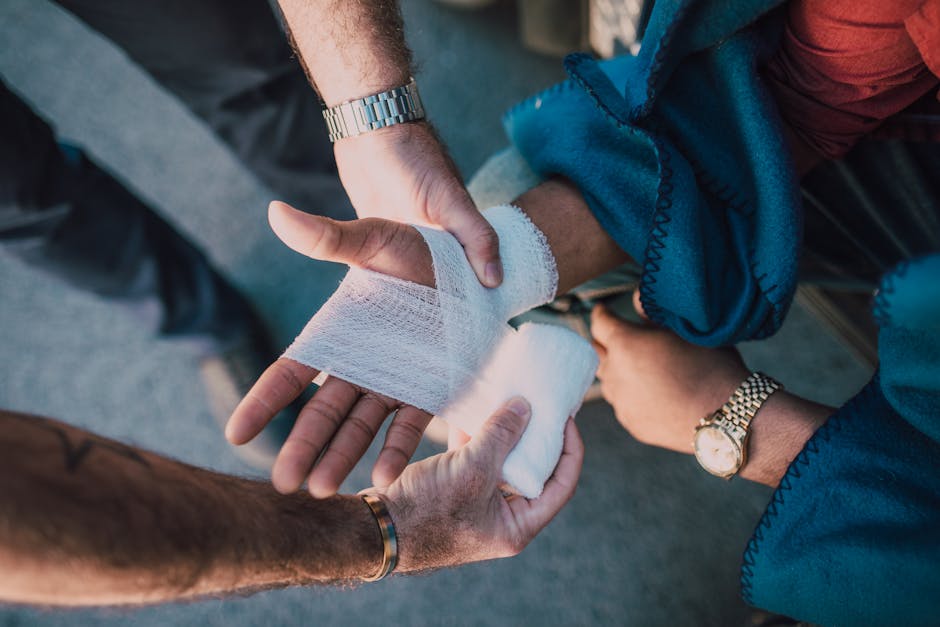
Once the wound is clean, pat it dry and cover it with a non-adherent sterile dressing. Change it twice a day. Watch for the signs that mean same-day care: expanding redness around the wound, red streaks tracking up the limb toward the body, warmth or swelling beyond the wound edges, pus or discharge, or fever and chills. These are come-in-now signs, not wait-and-see signs.
Two bacteria that come up with marine wounds on Samui are Vibrio and Mycobacterium marinum. Vibrio is found in warm tropical seawater and can progress rapidly in soft tissue. It does not respond to standard wound-care antibiotics without specific treatment. Mycobacterium marinum is slower, often causing a wound that simply refuses to heal over several weeks. If a wound is not improving after proper treatment, it needs reassessment with that possibility in mind.
Tetanus is straightforward. Rock and coral wounds are classified as contaminated. For a contaminated wound, a booster is advised if your last one was more than five years ago. Most tourists cannot recall their last booster date. Doctor Samui can administer a tetanus booster on the same visit as wound dressing, and issue documentation useful for travel insurance claims at the Koh Samui clinic. If you are in Lamai and cannot get to Chaweng, a house call doctor in Lamai or a hotel visit is available across the island.
Who Should Choose a Calm Beach Day in Maenam Instead of a Rocky Headland
Some people are better matched to a calm sandy beach than a rocky reef entry, and that is a practical call, not a criticism.
Maenam and Bophut on Samui’s north coast have shallow, gradually shelving water and wide sandy shores. Entry is straightforward for children, older adults, and anyone with a knee or ankle condition that makes boulder-hopping risky. The snorkelling is different from Coral Cove, but the injury risk from entry alone is significantly lower.
Consider a calmer site if you are snorkelling with young children, are not a confident open-water swimmer, have a cardiac or respiratory condition, or are recovering from a lower-limb injury. Fatigue from earlier activities is not obvious until you are standing on a wet rock in a swell deciding whether to go in. By then, the decision is already made for you.
Cut yourself snorkelling at Crystal Bay, Coral Cove or the Lamai Rocks? Doctor Samui provides same-day wound cleaning, irrigation, debridement, dressing, and tetanus assessment at the Chaweng clinic. If you cannot travel, a doctor can come to your hotel or villa anywhere on the island, 24 hours a day. For wound dressing and minor injury care on Koh Samui, or for accident and trauma treatment, contact Doctor Samui directly.
Frequently Asked Questions
Dr. Ponlawat Pitsuwan
Physician, Doctor Samui
a walk-in clinic based in Chaweng, Koh Samui, with 24-hour hotel and villa visits across the island. He sees tourists, families, and long-stay expats for snorkelling injuries, coral cuts, marine wound infections, wound dressing, and reef-related trauma. His focus is straightforward, evidence-based care delivered in plain language.
References
- Divers Alert Network. Fire Coral. DAN Health Resources, 2023.
- Divers Alert Network. Chapter 1: Envenomations. Dive Medical Reference Books: Hazardous Marine Life.
- CDC. Vibrio vulnificus: For Clinicians and Public Health. Centers for Disease Control and Prevention, 2024.
- Minnesota Department of Health. Tetanus Wound Management for Healthcare Providers. Minnesota Department of Health, 2023.
- NHS. Tetanus: when to get a booster vaccination. NHS, 2023.
The information in this article is for educational purposes only and does not constitute medical advice. It should not be used to self-diagnose or replace a consultation with a qualified physician. If you have concerns about your health, contact a licensed medical professional. For appointments at Doctor Samui, visit doctorsamui.com.
