Clinically reviewed by Dr. Ponlawat Pitsuwan, Physician, Doctor Samui. Last reviewed: September 2026
Cat diarrhea lasting more than 48 hours, or more than 24 hours in a kitten, needs veterinary attention. Blood in the stool, vomiting, lethargy, or signs of dehydration mean the same thing: do not wait. Most mild cases in adult cats can be managed at home with a bland diet, fresh water, and a cat-safe probiotic while you monitor closely.
Your rescue cat has been using the litter box every hour since last night. Or the island stray your family adopted three months ago is suddenly thin and lethargic, with loose stool on the tiles when you wake up. On Koh Samui, far from your usual vet at home, that is a stressful start to the day.
Cat diarrhea is one of the most common concerns owners on the island raise. Most mild episodes in adult cats pass within a day or two with simple care. Some do not, and knowing which is which makes a real difference. This guide covers the causes, what you can safely do at home, what you must never give your cat, and when to get help urgently.
What Is Actually Causing Your Cat’s Diarrhea
The most common cause in adult cats is a sudden diet change. A new food brand, table scraps, or something your cat found outside can all upset the gut within hours. Stress is another frequent trigger: a house move, new people arriving, or construction noise nearby.
Beyond that, the list includes intestinal parasites, bacterial infections, viral illness, and food intolerance. In older cats, hyperthyroidism and kidney disease can both show up first as loose stools. One soft stool after a diet change is usually nothing to worry about. Three days of watery stool in a cat that has stopped eating is a different situation entirely.
Tropical Parasites: A Koh Samui-Specific Risk
This is where cats on Samui face something cats in colder climates do not. Thailand’s year-round heat and humidity keep parasites active in soil and water every single month. There is no cold season to break the cycle.
Outdoor cats, strays, and rescued island cats are particularly exposed. Ancylostoma hookworm burrows in through the skin or is swallowed during grooming. Toxocara cati spreads through contaminated soil and prey animals. Giardia spreads through water and infected feces. Any cat that spends time outside on Koh Samui, even occasionally, should be dewormed regularly and tested if diarrhea continues.
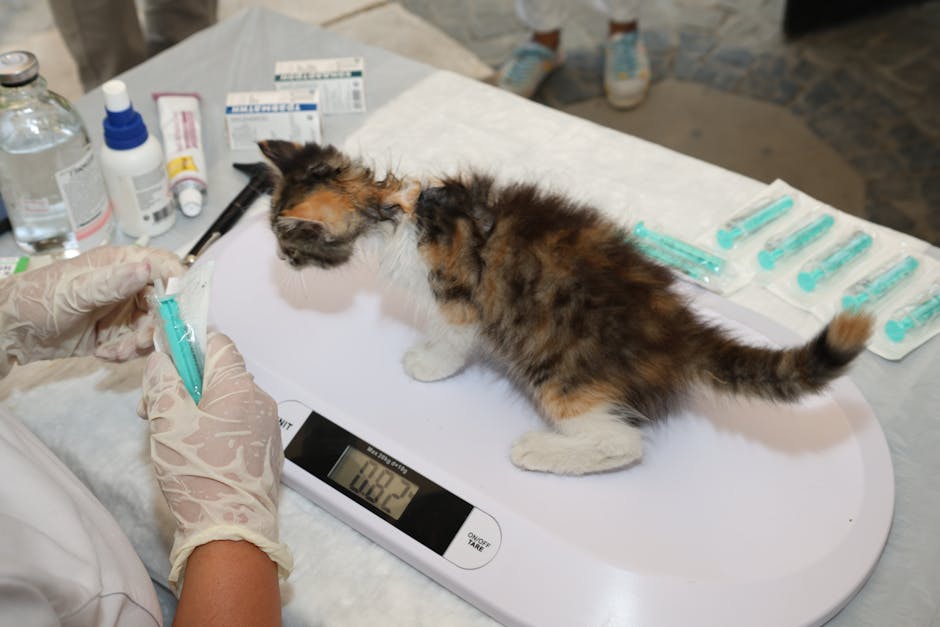
A fecal test from a vet will identify which parasite is present. Treatment is specific to the parasite, so guessing with an over-the-counter dewormer is not reliable.
When Cat Diarrhea Is a Human Health Concern
If your cat has parasitic diarrhea, your family can be at risk too. Toxocara and hookworm are both zoonotic, meaning they can pass from a cat to a person. Children who play in soil where an infected cat has been are especially vulnerable.
Bacterial causes of cat diarrhea, including Salmonella and Campylobacter, can also spread to humans through contact with infected stool. Wash your hands after handling a sick cat, and keep children away from the litter box while the cat is unwell. If anyone in your household develops diarrhea around the same time as your cat, that connection is worth taking seriously. Doctor Samui’s diarrhea treatment service is available around the clock and covers the full range of tropical gut infections, including those with an animal exposure link.
At-Home Management: What Is Safe and What Is Not
For a healthy adult cat with mild diarrhea and no red-flag symptoms, a few things can help. Switch to a bland, easily digestible diet: plain boiled chicken or white fish with plain rice is a reasonable short-term option. Cat-specific probiotics have moderate evidence behind them and are safe to try.
Keep fresh water available at all times. Cats with diarrhea lose fluids quickly, and dehydration sets in faster in Samui’s heat than it would in a cooler climate.
Short fasting of up to 12 hours may give an adult cat’s gut a brief rest. But never fast a kitten, even for a few hours, and never extend fasting in any cat beyond 12 hours. Cats that stop eating for extended periods risk hepatic lipidosis, a form of fatty liver disease that can become life-threatening fast. If your cat will not eat voluntarily, see a vet rather than waiting it out.
Medications to Never Give a Cat With Diarrhea
This matters more than most people expect, particularly for tourists and expats who have a travel medicine kit in the villa but no cat-specific supplies.
Pepto-Bismol and Kaopectate are toxic to cats. Both contain salicylates, the same chemical family as aspirin, and in cats these cause respiratory problems, liver damage, and seizures. Ibuprofen and aspirin are equally harmful. Do not give your cat any human anti-diarrheal or pain medication without speaking to a vet first.
Safe at-home options are limited to bland food, water, and a cat-specific probiotic. If you are on Koh Samui with only a holiday medicine kit to hand, call a vet or animal clinic before giving your cat anything at all.
When to See a Vet and How Urgent It Is
| Situation | What to Do |
|---|---|
| One or two soft stools, cat eating and alert | Monitor at home for 24 to 48 hours |
| Diarrhea lasting more than 48 hours in an adult cat | Vet within 24 hours |
| Any diarrhea in a kitten lasting more than 24 hours | Vet today |
| Blood in stool, dark or tarry stool | Vet urgently |
| Vomiting alongside diarrhea | Vet within 24 hours, sooner if frequent |
| Cat is lethargic, not eating, or hiding | Vet today |
| Dry gums or skin stays tented when pinched | Emergency |
| Straining with little or no output | Emergency |
Dehydration in cats can escalate to shock faster than most owners expect. In Koh Samui’s heat, that timeline is shorter still. If your cat cannot keep water down, it may need IV fluids, and that is not something that can be managed at home.
What to Expect at a Vet Clinic
A vet will start with a physical exam and ask about diet, timeline, and whether your cat goes outside. For anything beyond a mild one-off episode, a fecal test is the most useful next step. It checks for parasites, bacteria, and other pathogens. Blood work may follow if the vet suspects a cause like kidney disease, thyroid problems, or systemic infection.
Bring a fresh stool sample if you can. A small amount in a clean container, collected within a few hours of the appointment, gives the lab the best result. Treatment depends on the cause: the right antiparasitic drug for parasites, antibiotics if bacteria are involved, and IV fluids for cats that are significantly dehydrated or cannot keep food down.
Getting Help When Your Cat Is Sick on Koh Samui
Accessing veterinary care on a Thai island can feel daunting, especially if you have just arrived. There are animal clinics on Samui, and your accommodation staff can often help with directions and translation.
If you or another family member is also unwell with diarrhea while your cat is sick, that shared timing is clinically relevant. Doctor Samui’s walk-in clinic in Chaweng and 24/7 hotel and villa service can assess human diarrhea linked to animal or food exposure across the island, from Lamai to Maenam. Getting both assessed around the same time helps identify whether a shared source is involved.
If you or someone in your family has developed diarrhea while your cat is also unwell, shared animal exposure may be the cause. Doctor Samui treats diarrhea linked to tropical infections, food contamination, and zoonotic sources. Walk-in appointments are available at our Chaweng clinic, with 24-hour home visits across Koh Samui including Lamai, Bophut, Maenam, and beyond. Same-day assessment is available.