Clinically reviewed by Dr. Ponlawat Pitsuwan, Physician, Doctor Samui.
Last reviewed: September 2026
Yes, diarrhea can cause piles or make existing hemorrhoids significantly worse. Frequent loose stools put repeated pressure on the veins around the anal canal and expose sensitive tissue to acidic stool. A single bout of food poisoning or traveler’s diarrhea is enough to trigger a first-time flare. Treating the diarrhea quickly is step one in getting relief.
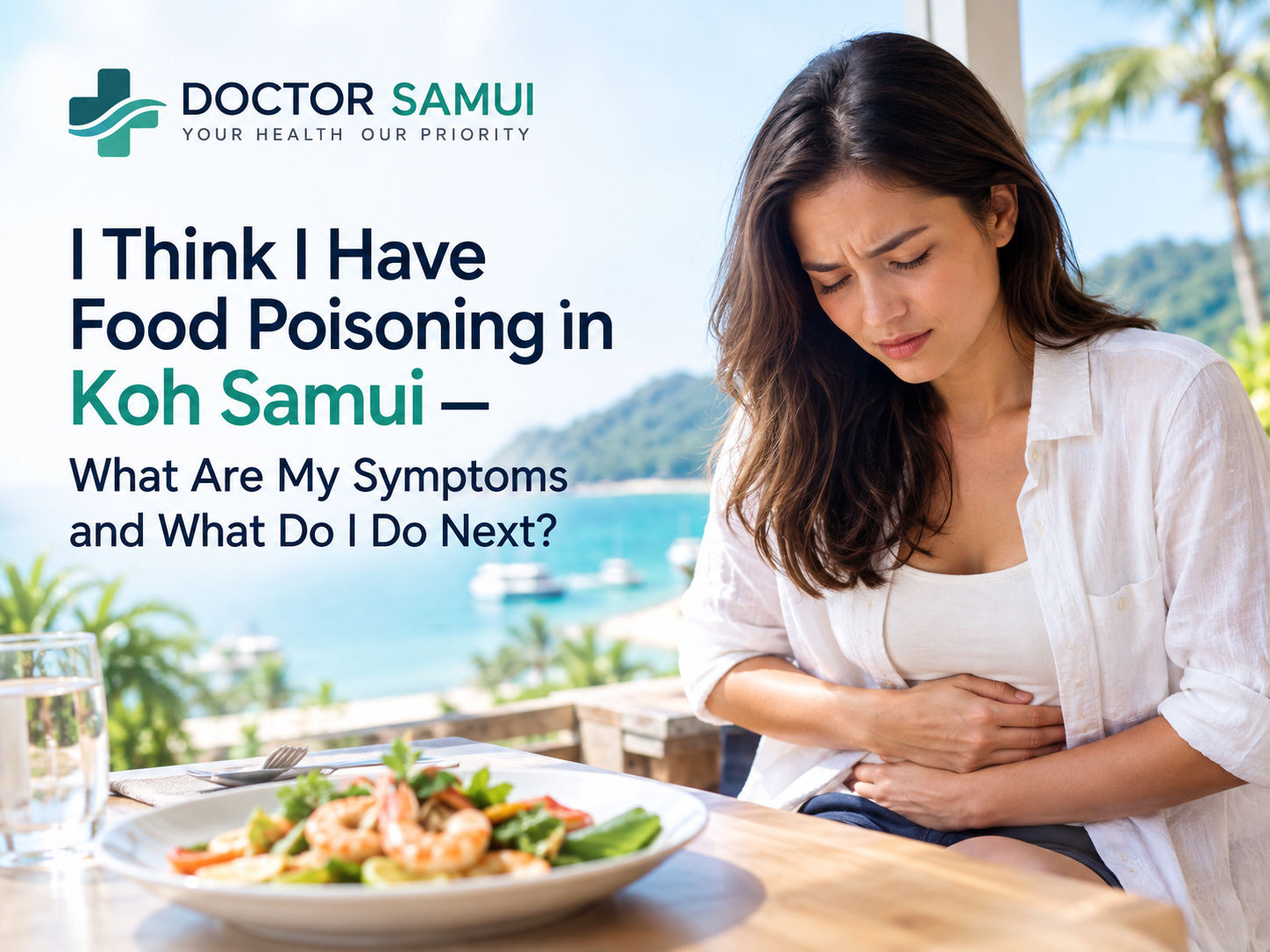
You survived the Chaweng night market, the snorkeling day trip, and the scooter ride back along the ring road. Then the stomach cramps started, and by night two you were making repeated trips to the bathroom. Now the diarrhea has eased, but something else is wrong: burning, swelling, or a little blood when you wipe. This is the combination we see regularly at our Chaweng clinic, and most patients are surprised to learn that their piles flare started the same day their diarrhea did.
The link between traveler’s diarrhea and piles is real and direct. Frequent loose stools strain the blood vessels around the anal canal, expose delicate tissue to acidic waste, and mean you are visiting the bathroom five, six, or eight times a day instead of once. That repeated cycle irritates tissue fast. If you already had mild hemorrhoids you were unaware of, a bad bout of food poisoning can push them into a painful, bleeding flare almost overnight.

How Diarrhea Physically Triggers or Worsens Piles
Piles, or hemorrhoids, are swollen veins in and around the lower rectum and anal canal. They are almost always present in some form. What causes a flare is pressure, friction, or irritation that inflames them beyond normal.
Diarrhea delivers all three at once. Every urgent trip to the bathroom squeezes blood into those veins under pressure. Loose stool is more acidic than normal stool, and it sits against sensitive tissue long enough to cause irritation and raw soreness. Then there is the wiping. Repeated wiping across already-sore skin adds physical trauma on top of the chemical damage.
Prolonged sitting on the toilet makes this worse. Waiting through cramps increases pressure on the anal veins the longer you stay seated. Most people do not think about this, but it compounds the problem quickly.
Piles, Anal Fissures, and Abscess — Knowing Which One You Have
Not all rectal pain or bleeding after diarrhea is piles. Two other conditions can look similar and are worth knowing about.
An anal fissure is a small tear in the skin around the anus. It causes sharp pain during and after a bowel movement, often with a streak of bright red blood on the tissue. Fissures are common after diarrhea because acidic loose stool erodes the skin. The pain tends to be more cutting than the dull ache or pressure of piles.
An anal abscess is a pocket of infection, felt as a firm, hot, very tender lump near the anus. It may come with fever. This one needs prompt medical attention because it will not resolve on its own. If you have significant rectal pain alongside a temperature, do not wait.
The Koh Samui Connection — Why Holiday Diarrhea Makes This Worse
Traveler’s diarrhea on Koh Samui is usually bacterial gastroenteritis, most commonly picked up through contaminated food or water. Street food, ice in drinks, raw shellfish at beachside restaurants, and poorly washed salad greens are the usual sources here.
What makes the holiday version harder on your body is the compounding factors. You are already dehydrated from the heat and the beach. You may have had more alcohol than usual. The spicy curries and rich seafood that make Samui so enjoyable speed up bowel transit and produce more acidic stools. Your body is fighting a bacterial infection while running a hydration deficit, and your anal tissue pays the price.
Our diarrhea treatment page covers the full picture of food poisoning on Koh Samui, including when antibiotics are needed, what rehydration options are available, and how we approach different types of gastroenteritis at the clinic. If you are currently in the middle of a diarrhea episode, that is the first place to start.
Red Flag Symptoms — When to Get Seen the Same Day
Most piles flare-ups after diarrhea are uncomfortable but not dangerous. Some presentations need same-day assessment.
Come in or call for a hotel visit if you notice heavy rectal bleeding beyond a small streak on tissue. Dark blood mixed into the stool, rather than bright red blood on the surface, needs evaluation to rule out a higher source of bleeding. A rectal lump that will not push back inside, significant fever alongside rectal pain, or inability to sit comfortably all warrant prompt review.
Bright red blood on tissue after a loose stool, mild burning, and some external swelling are common and usually manageable. Everything beyond that, see a doctor.
What to Do Right Now — Immediate Relief at Your Hotel
Stop the diarrhea first. Everything else gets harder while your bowel is still running. Oral rehydration salts, available at any pharmacy in Chaweng, help replace fluids and electrolytes and reduce the overall strain on your body.
For the anal area, a sitz bath helps. Fill the bath or a basin with warm water and sit in it for ten to fifteen minutes. Do this two or three times a day. It reduces swelling and soothes irritated tissue without any medication. Pat the area dry gently with soft tissue after. Do not scrub.
Avoid spicy food, alcohol, and caffeine while you are recovering. All three speed up bowel transit and make stool more acidic. Simple rice, banana, and boiled chicken are boring but genuinely useful here.
What Doctor Samui Can Do When Self-Care Is Not Enough
When you come into our Chaweng clinic, or when we visit your hotel or villa, we assess both problems together. Treating the piles without stopping the diarrhea gives incomplete relief at best.
We check whether the diarrhea needs antibiotics or whether supportive care is enough. For patients who are significantly dehydrated, IV fluid therapy replaces what you have lost faster than oral rehydration alone, and most people feel noticeably better within a few hours. We examine the anal area to confirm whether you are dealing with hemorrhoids, a fissure, or an abscess, because the treatment differs. Topical treatment for the piles flare, combined with resolving the underlying diarrhea, is how most patients get on top of this quickly.
You do not need to book ahead. Walk in to our clinic in Chaweng, or call us for a hotel visit anywhere across the island, including Lamai, Bophut, Maenam, and Choeng Mon.
Recovery — Protecting Your Gut After a Diarrhea Episode
Once the diarrhea clears, your gut lining takes several days to fully recover. Probiotics taken after the acute phase help restore normal gut bacteria and reduce the risk of another episode tipping you back into a flare. You can pick these up at pharmacies across the island.
Keep stools soft and easy to pass during recovery. Drink plenty of water. Fruit, vegetables, and simple carbohydrates are fine. Avoid raw shellfish and street ice until your gut has settled for at least 48 hours.
A mild piles flare triggered by a short diarrhea episode usually resolves within a few days once stools return to normal. If swelling, bleeding, or pain continues beyond five to seven days after the diarrhea has cleared, that is your signal to get checked.
Dealing with a piles flare-up after food poisoning or a diarrhea episode in Koh Samui? Doctor Samui’s Chaweng clinic is open for walk-in appointments, and we offer 24/7 hotel and villa visits across the island. We assess and treat both the diarrhea and the piles flare in a single visit. Contact us to arrange a same-day appointment or hotel call-out.
Can a single bout of food poisoning cause piles, or does it have to be long-term diarrhea?
Even a short acute episode, a few days of frequent loose stools after bad street food, is enough to trigger a first-time flare or dramatically worsen hemorrhoids you did not know you had. Chronic diarrhea raises the risk further, but holiday gastroenteritis is a well-recognised trigger. If symptoms persist more than 48 hours after the diarrhea resolves, get checked.
I have rectal bleeding after a diarrhea episode in Koh Samui. Is it piles or something more serious?
Bright red blood on toilet paper after diarrhea is most often from irritated hemorrhoids or a small anal fissure. Dark blood mixed into the stool, heavy bleeding, or bleeding alongside fever or significant pain is a different picture and needs same-day assessment. Doctor Samui can examine you at the Chaweng clinic or come to your hotel to determine the cause.
Should I treat my diarrhea or my piles first?
Treat the diarrhea first. Every loose stool is another round of pressure, acid, and friction on already-inflamed tissue. Stop the cycle and the piles can start to settle. At Doctor Samui we assess and treat both in the same visit, so you are not choosing one over the other.
Can I go snorkeling or diving if I have a piles flare-up after diarrhea?
Hold off on diving. Straining during descent increases pressure in the anal veins and can worsen an active flare or increase bleeding. Saltwater swimming is not dangerous but may sting inflamed external tissue. Get a quick review at Doctor Samui before heading back out to the reef, particularly if you are still bleeding.
How long does a diarrhea-triggered piles flare last?
Most mild flare-ups resolve within a few days once stools normalise and you are keeping the area clean and rested. If pain, bleeding, or swelling continues beyond five to seven days after the diarrhea has cleared, or gets worse at any point, come in for an examination. Doctor Samui offers same-day walk-in and hotel visit appointments across the island.
What is the difference between piles and an anal fissure after diarrhea?
A fissure is a small tear in the anal skin, usually causing sharp pain during a bowel movement and a bright red streak of blood. Piles tend to produce a duller pressure, itching, or swelling rather than a cutting pain. Both can be caused or worsened by diarrhea, but they need different treatment, so it is worth having a doctor confirm which one you are dealing with.
Dr. Ponlawat Pitsuwan
Physician, Doctor Samui
a walk-in clinic based in Chaweng, Koh Samui, with 24/7 hotel and villa visits across the island. He sees tourists, families, and long-stay expats for gastrointestinal illness, food poisoning, traveler’s diarrhea, and related complications including piles flare-ups. His focus is straightforward, evidence-based care delivered in plain language.