Clinically reviewed by Dr. Ponlawat Pitsuwan, Physician, Doctor Samui. Last reviewed: August 2026
If a monkey bites or scratches you on Koh Samui, wash the wound with soap and water for at least 15 minutes, then get to a clinic the same day. Thailand is rabies-endemic, and monkeys carry real infection risks beyond rabies alone. Do not wait to see if it gets better. Same-day treatment is what stops a bad outcome.
You are at the Big Buddha viewpoint in Bang Rak, phone out for a photo, when a long-tailed macaque grabs your bag and scratches your wrist pulling it back. It takes about three seconds. By the time your heart stops racing, you are already Googling whether you need a shot. The answer is yes, and the clock starts now.
Monkey bites and scratches are among the more common emergencies we see at our Chaweng clinic, especially after temple visits, viewpoint stops, and waterfall trails. This article tells you exactly what the risks are, what first aid to do before you reach us, and what the treatment protocol actually looks like on Koh Samui.
Where on Koh Samui Are Monkey Bites Most Likely?
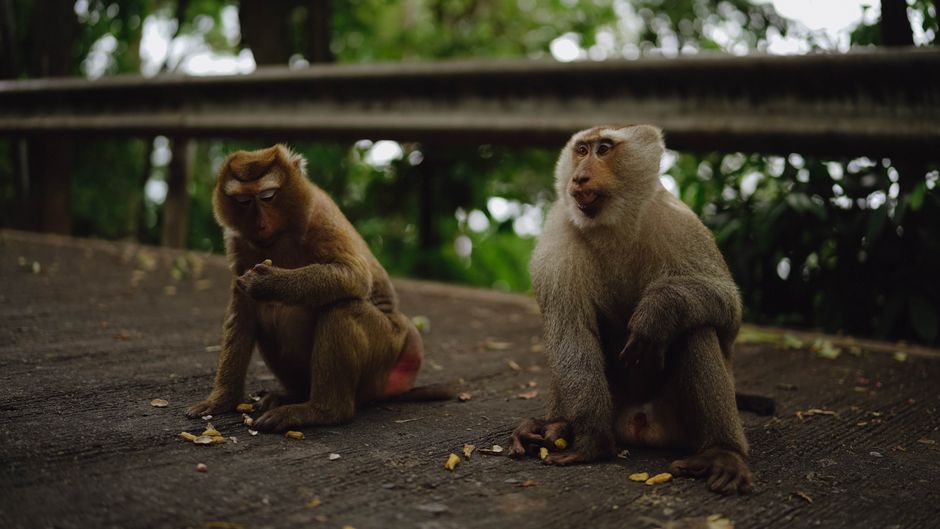
The island’s monkey population concentrates in places tourists visit every single day. The Big Buddha temple area in Bang Rak is the most common source of bite incidents we hear about. Na Muang waterfall trails, the viewpoint roads inland from Chaweng, and the hillside routes toward Nathon all have resident macaque groups that have learned to associate tourists with food.
Long-tailed macaques are the species you will encounter. They are quick, confident around people, and they bite when cornered, startled, or when food is involved. Most bites happen during a snatch, not an unprovoked attack. Feeding them, even accidentally, is the fastest way to end up at our clinic.
What Infections Can a Monkey Bite Cause? It Is Not Only Rabies
Rabies gets all the attention, and rightly so. Thailand is a rabies-endemic country, which means the virus circulates in the animal population here. A monkey bite with no treatment is a genuine risk to your life. But rabies is not the only concern.
Herpes B virus is the one most people have never heard of. It is carried by macaques, the exact species living on Koh Samui. Transmission to humans is rare, but the outcome without early treatment is severe. Any bite or scratch from a macaque warrants same-day clinical assessment partly because of this risk. Most clinics outside Asia will not think to ask about it. We do.
Bacterial wound infection is also very common after monkey bites. The mouth of any wild animal carries a heavy bacterial load, and bites to the hand or wrist, which are typical, can drive infection deep into tissue fast. Your tetanus status also needs checking at the same visit.

First Aid Steps Before You Reach a Clinic
Do these in order. Do not skip step one to reach step two faster.
Wash the wound immediately with soap and running water. Not a quick rinse. Fifteen minutes of active washing. This is the single most important thing you can do before any medical care, because it physically removes saliva and reduces the viral load in the wound.
After washing, apply an antiseptic if you have one. Povidone-iodine is ideal. Alcohol or an iodine-based sanitiser is better than nothing. Do not bandage the wound tightly. A loose, clean covering is fine for getting to the clinic, but a tight bandage traps contaminated material. If the wound is bleeding, let it bleed briefly before covering. That is not a problem. It is actually useful.
Then get to a clinic. Do not stop to eat first, do not check into your hotel, do not decide to go in the morning. Go now.
The Real Story: A Monkey Bite Near Chaweng and What Happened Next
A family came to us after their teenage son was scratched at a viewpoint near Chaweng. A monkey had grabbed his arm reaching for a snack. The skin was broken in two places, no deep bite, but bleeding. They had washed the wound at the viewpoint toilet and come straight in, which was exactly right.
We assessed it as a WHO Category III exposure because the scratch broke skin and drew blood. That meant he needed both the rabies vaccine series and rabies immunoglobulin (RIG). The RIG was injected into and around the wound on the same visit. His first vaccine dose went in the same day, and we gave the family a written schedule for day 3, day 7, and day 14, plus a medical certificate for their travel insurer.
They had travel insurance and kept every receipt. Our documentation was enough for a successful claim when they got home. The son finished his vaccine series without complications. That is what this protocol looks like when it goes right.
What Happens at the Clinic: The Rabies Exposure Protocol
The WHO uses an exposure category system to decide what treatment you need. We classify every bite or scratch on arrival at Doctor Samui.
| WHO Category | What Happened | Treatment Required |
|---|---|---|
| Category I | Animal touched skin, no scratch, no wound | Clean the area. No vaccine needed. |
| Category II | Minor scratch, no bleeding, superficial bite | Wound washing plus full rabies vaccine series |
| Category III | Deep bite, bleeding wound, face or neck wound, or saliva on eyes or mouth | Wound washing, rabies immunoglobulin (RIG) into wound, plus full vaccine series |
RIG must be given on day zero. Given on day two or three, it is far less effective. That is why the same-day visit is not a preference. It is the protocol.
If you were vaccinated against rabies before your trip, the treatment changes. Previously vaccinated patients typically need only two booster doses, on day 0 and day 3, with no RIG required. But you still need to see a doctor the same day. Do not assume old vaccines cover you without review. We check your vaccination history before starting anything.
We also check your tetanus status, prescribe antibiotics where the wound warrants it, and provide a vaccination certificate and full documentation ready for your insurer or home-country health service. For more on how the rabies vaccine protocol works after an animal encounter on Koh Samui, see our rabies vaccine and post-exposure care guide.
Getting Monkey Bite Treatment on Koh Samui
Our Chaweng clinic is walk-in with no appointment needed. If you come in during the day, we can assess the wound, classify the exposure, and start treatment within the same visit.
If getting to the clinic is genuinely difficult, we do island-wide hotel and villa visits around the clock. A doctor can come to you for the first assessment and initial vaccine dose. This is especially useful if you are in a remote villa, travelling with young children who have been bitten, or if the bite has affected your movement. Follow-up doses on day 3, 7, and 14 are usually easier to attend at the clinic, and we track your schedule so nothing is missed.
We keep rabies vaccine and immunoglobulin in stock. We have treated this scenario many times. This is not a situation that requires a two-hour drive to a major hospital.
Will Your Travel Insurance Cover a Monkey Bite in Thailand?
For most policies, yes. Animal bites are typically classified as medical emergencies, and rabies post-exposure treatment is a covered procedure. But the paperwork has to be right.
Keep every receipt from every visit. Photograph the wound before you start washing it if you can safely do so. Photograph the monkey if it is safe, at a distance. We provide a detailed medical certificate, the WHO wound category classification, and a vaccination record that insurers and home-country health services will accept.
One important point: if you delay treatment and your insurer determines the delay was avoidable, that can complicate your claim. Getting to us the same day protects both your health and your case.
If you or someone in your group has been bitten or scratched by a monkey on Koh Samui, come to our walk-in clinic in Chaweng or call us for a hotel or villa visit anywhere on the island. We are open 24 hours and carry rabies vaccine and immunoglobulin in stock. We provide same-day treatment, WHO-protocol care, and full documentation for travel insurers. No appointment needed.
Frequently Asked Questions
Dr. Ponlawat Pitsuwan
Physician, Doctor Samui
a walk-in clinic based in Chaweng, Koh Samui, with 24/7 hotel and villa visits across the island. He sees tourists, families, and long-stay expats for animal bites, rabies post-exposure prophylaxis, wound care, and travel-related infections. His focus is straightforward, evidence-based care delivered in plain language.