Clinically reviewed by Dr. Ponlawat Pitsuwan, Physician, Doctor Samui.
Last reviewed: October 2026
On Ozempic, what you eat matters as much as the medication itself. Small, protein-rich meals with low fat content reduce nausea and help preserve muscle as you lose weight. Avoid fatty, fried, and very spicy foods, especially in the days after each dose increase. If nausea is severe or you cannot keep fluids down, that warrants a doctor, not just a diet change.
You have settled into a good routine at your villa near Lamai, your weekly injection is on track, and then a plate of pad kra pao loaded with oil at dinner sends you straight to the bathroom. You are not reacting badly to Ozempic. You are reacting to the wrong food at the wrong time. That single change, what and how you eat around each dose, can make a real difference to how you feel and how well the medication works.
Ozempic works partly by slowing how fast your stomach empties. That helps with blood sugar control and reduces appetite, but it also makes your stomach more sensitive than before. The foods you choose either work with that effect or fight it. This guide covers what to prioritise, what to avoid, and how to eat well on Koh Samui while you are on semaglutide.

Why Food Quality Matters More Than Quantity on Ozempic
When appetite suppression kicks in, most people naturally eat less. That is the point. But eating less only helps if what you do eat is nutrient-dense. If your smaller meals are mostly refined carbs or fried food, you lose weight but lose muscle alongside fat, and nausea stays worse than it needs to be.
Think of every meal as a small opportunity. You have a narrow window of appetite. Fill it with something that builds tissue and fuels your day. That means prioritising protein, fibre, and small amounts of healthy fat, not large quantities of anything.
Protecting Your Muscle Mass on Ozempic
Semaglutide causes weight loss from both fat and lean tissue. How much muscle you lose depends significantly on how much protein you eat. General clinical nutrition guidance for adults in a calorie deficit suggests aiming for 1.2 to 1.5 grams of protein per kilogram of body weight each day, spread across meals rather than taken all at once.
For a 75 kg adult, that means roughly 90 to 112 grams of protein daily. Across three meals, you are looking at around 30 to 40 grams per sitting. Eggs, Greek yogurt, white fish, grilled chicken, tofu, and legumes all work well. They are easy to find on Samui and easy on the stomach.
Resistance training alongside your medication also helps preserve lean mass. Protein alone is not enough if you are completely sedentary.
The Nausea Problem and How Food Makes It Better or Worse
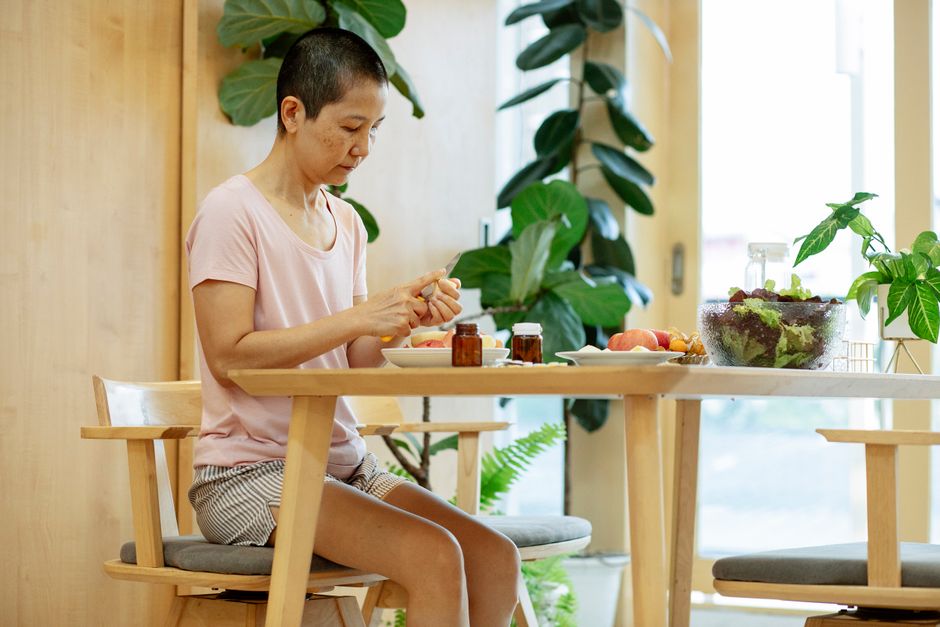
Semaglutide slows gastric emptying as part of how it works. High-fat meals already digest slowly on their own. When you eat something heavy and greasy, food sits in your stomach for longer than usual, pressure builds, and nausea follows. This effect is worst in the first few days after a dose increase.
Bland, low-fat, moderate-protein foods move through the stomach more easily. Plain rice, boiled eggs, steamed chicken, soup broths, and soft cooked vegetables are your safest choices during those rough few days. Ginger tea has limited but reasonable evidence for mild nausea relief. Eat small portions and stop before you feel full.
Eating slowly matters too. Sitting upright for at least 30 minutes after a meal helps. Lying down right after eating when gastric emptying is already slow is a reliable way to feel worse.
Best Foods to Eat on Ozempic
Lean proteins are the foundation: chicken breast, fish, eggs, Greek yogurt, cottage cheese, legumes, and tofu. These support muscle preservation, digest at a manageable pace, and provide steady energy without spiking blood sugar.
High-fibre vegetables and whole grains come next. Leafy greens, cucumbers, courgettes, oats, and brown rice support gut function and help you stay full longer. Keep portions moderate. Too much fibre too fast can add bloating to nausea, so increase gradually if your diet was previously low in fibre.
Healthy fats in small amounts are fine and valuable. Avocado, olive oil, and fatty fish like salmon provide fat-soluble vitamins and support heart health. A tablespoon of olive oil on salad is very different from a plate of food fried in oil.
Foods to Avoid on Ozempic
Fried food is the main one. Pad kra pao loaded with oil, deep-fried chicken, spring rolls, French fries, anything deep-fried slows gastric emptying further and almost reliably worsens nausea. This is especially true in the first 48 hours after each dose increase.
Fatty red meats, full-fat dairy in large portions, very spicy dishes, and carbonated drinks all put extra load on a stomach that is already working slowly. Alcohol compounds nausea and dehydration, and it adds calories that displace the protein and nutrients you actually need.
High-sugar foods and refined carbs cause rapid blood sugar swings. Sugary drinks, pastries, and white-bread-heavy meals can undermine the blood sugar control semaglutide is providing. Rapid weight loss from any cause also raises gallstone risk, so minimising high-fat, low-fibre eating patterns is worth doing consistently, not just when you feel sick.
Calcium, Vitamin D, and Bone Health on Ozempic
Emerging research suggests GLP-1 medications may be associated with increased osteoporosis risk, particularly in people losing weight rapidly or those who are older. When appetite is suppressed, overall food intake drops, and calcium and vitamin D are often the first nutrients to fall short.
Prioritise low-fat dairy, fortified plant milks, leafy greens like kale and bok choy, and canned fish with soft bones such as sardines. Whether supplementation is right for you depends on your age, baseline diet, and how long you have been on semaglutide. Raise it directly with your prescribing doctor.
Eating on Ozempic in Koh Samui
Thai food can work well on semaglutide if you choose carefully. Steamed jasmine rice, grilled or steamed fish, tom yum broth soups, larb with lean chicken, and papaya salad without heavy chilli are generally well tolerated. These are easy to find at local restaurants around Chaweng, Lamai, and Bophut.
What tends to cause problems is the oil-heavy cooking common in tourist-facing restaurants. Pad thai with a generous pour of oil, massaman curry in large portions, fried rice, and coconut-heavy curries can all trigger nausea, particularly in the first week after a dose increase. Ask for dishes steamed or grilled where possible. Most kitchens will accommodate that request.
Resort buffets are a specific challenge. The variety triggers appetite in a way that individual dishes do not. Fill your plate once, lead with protein and vegetables, and leave the fried section alone. You do not need to avoid Thai food. You just need to navigate it with some awareness.
For expats and long-stay residents managing semaglutide on Samui, the GLP-1 service at Doctor Samui includes dietary guidance alongside your treatment plan, not just the prescription itself.
Staying Hydrated on Ozempic
Nausea reduces your desire to drink. Dehydration then makes nausea worse. It is a loop worth breaking early. Aim for regular small amounts of fluid throughout the day rather than large amounts at once. Water, diluted electrolyte drinks, clear broths, and herbal teas all count.
Avoid drinking large amounts with meals. This adds volume to a stomach that is already emptying slowly. Sip between meals instead. If you are spending time in the heat around Samui, dehydration can accelerate faster than you expect, and the IV drip service at Doctor Samui’s Chaweng clinic is available when oral fluids are not enough.
When Food Changes Are Not Enough
Mild nausea that comes and goes with each dose increase is normal and usually settles within a few days. Dietary adjustments resolve most of it.
Seek medical review if vomiting lasts more than 48 hours, if you cannot keep fluids down, or if you notice signs of dehydration such as dark urine, dizziness, or a very dry mouth. Severe upper abdominal pain that radiates to your back warrants urgent attention, as it can indicate pancreatitis, a risk flagged in the semaglutide prescribing information.
If nausea is severe enough that you are not keeping food or fluid down, a doctor hotel visit can bring care directly to your room, and IV rehydration is available if needed. Your medication plan can also be reviewed in person at the Chaweng clinic.
Doctor Samui’s GLP-1 service covers semaglutide prescriptions, dietary guidance, and ongoing support for patients managing Ozempic on Koh Samui. If side effects are affecting your ability to eat or stay hydrated, walk in to our Chaweng clinic or request a hotel or villa visit anywhere on the island, available 24 hours a day. Visit doctorsamui.com/glp-1 to learn more.
Frequently Asked Questions
Dr. Ponlawat Pitsuwan
Physician, Doctor Samui
a walk-in clinic based in Chaweng, Koh Samui, with 24/7 hotel and villa visits across the island. He sees tourists, families, and long-stay expats on Koh Samui for GLP-1 therapy including semaglutide prescriptions, side effect management, and dietary support for patients on Ozempic. His focus is straightforward, evidence-based care delivered in plain language.
References
- Wilding JPH, et al. Once-Weekly Semaglutide in Adults with Overweight or Obesity. New England Journal of Medicine, 2021.
- US FDA. Ozempic (semaglutide) Prescribing Information (current label via Drugs.com, last revised 5/2026).
- World Health Organization. Obesity and Overweight. WHO Fact Sheet, 2024.
- MHRA (UK). GLP-1 receptor agonists: acute pancreatitis warning added to product information, February 2026.
- American Osteopathic Association of Oncology. The Effect of GLP-1 Receptor Agonists on Bone Health: A Systematic Review. AOAO Journal, Spring 2026.
- NBC News Health. GLP-1s may increase risk of osteoporosis and gout, new research finds, 2025.
The information in this article is for educational purposes only and does not constitute medical advice. It should not be used to self-diagnose or replace a consultation with a qualified physician. If you have concerns about your health, contact a licensed medical professional. For appointments at Doctor Samui, visit doctorsamui.com.