
Clinically reviewed by Dr. Ponlawat Pitsuwan, Physician, Doctor Samui. Last reviewed: October 2026
Koh Samui carries confirmed Zika risk. The same Aedes mosquitoes that spread dengue on the island also carry Zika. Pregnant travellers, especially in the first trimester, face the highest risk of serious fetal harm. If you develop a rash or fever during your trip, get assessed the same day — do not wait until you are home.
You booked the babymoon months ago. Bophut beachfront, a villa in Lamai, or a family week in Chaweng. Then on day three you wake up with a rash across your stomach and a low fever, and you start wondering about the mosquito that found you at dusk near the pool garden. That question matters, and the answer depends on what you do in the next 24 hours.
Zika is not a vague, country-level Thailand warning that you can set aside. Koh Samui is specifically named in a 2022 European Centre for Disease Prevention and Control report as one of the Thai tourist destinations linked to confirmed travel-associated Zika cases. A 2024 case published in CDC Emerging Infectious Diseases documented severe fetal microcephaly following first-trimester Zika infection acquired at a Thai island resort. If you are pregnant on Samui, the risk is real and specific.

Is Koh Samui a Confirmed Zika Risk Area?
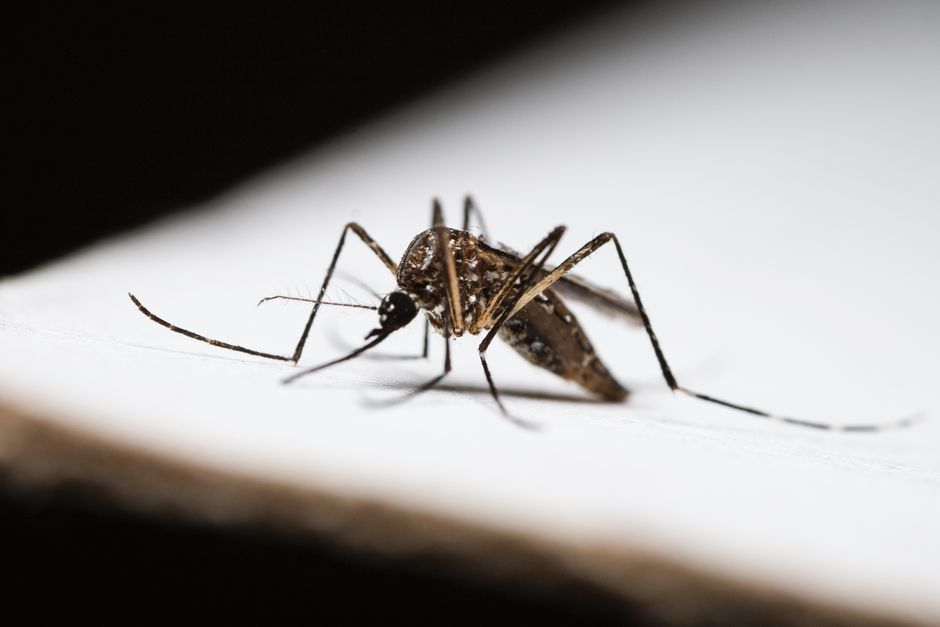
Yes. The 2022 ECDC report names Koh Samui directly, not Thailand in general. The mosquito responsible is the Aedes aegypti. A related species, Aedes albopictus, is also present on the island. Both bite during the day, mainly in the morning and late afternoon. They breed in still water: flower pots, uncovered buckets, shaded puddles in villa gardens. Dengue is diagnosed more often than Zika on Samui, but both travel by the same bite.
When Is Mosquito Exposure Risk Highest on Koh Samui?
Mosquito activity peaks during the rainy season, roughly May through October. Rainfall creates more standing water and more breeding sites. A 2025 Journal of Travel Medicine review advises clinicians to warn travellers visiting Thailand during this window to take strict precautions.
Aedes mosquitoes are present year-round on Samui, though. Even in the dry months, exposure is possible. If you are pregnant, the season does not change the advice: cover up, use repellent, and stay in air-conditioned rooms when you can.
Zika vs Dengue on Samui: How to Tell the Difference
This is the question we hear most from pregnant patients at our Chaweng clinic after symptoms appear. Both diseases share similar features: fever, rash, joint pain, red eyes. Dengue tends to cause a higher, more sudden fever and more severe body ache. Zika’s rash is usually more widespread and the fever is often mild.
The problem is that you cannot reliably tell them apart on symptoms alone, and both need testing. Dengue carries its own pregnancy risks, including low platelet count and bleeding. If you have any of these symptoms while pregnant on Samui, get assessed the same day.
| Feature | Zika | Dengue |
|---|---|---|
| Fever | Mild to moderate | High, sudden onset |
| Rash | Prominent, often widespread | Present but variable |
| Joint pain | Mild to moderate | Severe |
| Eye redness | Common | Less common |
| Bleeding risk in mother | Low | Higher, can be serious |
| Fetal risk in pregnancy | Severe neurological harm | Preterm birth, low birth weight |
Zika Risk by Trimester: Why the First Trimester Matters Most
First-trimester exposure carries the highest risk of serious harm to the baby. The 2024 CDC case report documented microcephaly, significant brain damage, and other neurological abnormalities following first-trimester Zika infection in Thailand. This is consistent with WHO guidance.
Risk does not disappear in the second or third trimester. WHO is clear that fetal harm can occur at any stage. The evidence for the most severe outcomes, including congenital Zika syndrome, a pattern of brain abnormalities and joint stiffness in the baby, is strongest for early pregnancy. If you are in your first trimester on Samui right now, this conversation is urgent.
How to Protect Yourself from Mosquitoes on Koh Samui
DEET-based repellents at 20 to 30 percent concentration are safe in pregnancy, supported by both the CDC and WHO. Apply repellent every time you go outside, including short walks to the beach or market.
Wear long sleeves and trousers at dawn and dusk when possible. Stay in air-conditioned rooms or rooms with window screens. Avoid areas with heavy shade and standing water, which is common near jungle-adjacent guesthouses and some villa gardens around Lamai and Hua Thanon. A bed net adds extra overnight protection, though Aedes mosquitoes are mainly daytime biters.
What to Do If You Develop Symptoms While Pregnant on Koh Samui
Note the exact day your symptoms began. That timing matters more than it sounds. A PCR test, which detects the virus directly from blood and urine, is most accurate within the first 14 days of symptoms. A serology test, which looks for your body’s immune response, is more useful from two to twelve weeks after exposure. The right test depends on when you first felt unwell.
Get assessed the same day symptoms appear. Do not fly home and plan to sort it out there. Being tested on-island gives your obstetric team a clinical head start, with results already in hand rather than chasing them weeks after landing. Doctor Samui can assess your symptoms, run dengue and Zika testing, and explain what follow-up looks like. If you cannot travel to the clinic, we do 24-hour hotel and villa visits across the island, including Chaweng, Lamai, Bophut, Maenam, and Choeng Mon.
If a test comes back positive or suspicious, you will need regular ultrasound scans to check the baby’s head size and brain development. Your obstetrician at home will coordinate that monitoring, but getting the initial test done on Samui means you arrive home with answers, not questions.
Sexual Transmission: The Male Partner Question
Zika can spread through sex, primarily via semen, even when the male partner has no symptoms at all. This is not a rare or theoretical concern.
CDC guidance recommends that men returning from a Zika risk area use condoms for the remainder of the pregnancy if their partner is pregnant. If the couple is not yet pregnant but trying to conceive, women should wait eight weeks before attempting conception after potential Zika exposure. Men should wait three months, because of documented viral persistence in semen. If your male partner visited Koh Samui and your pregnancy is ongoing, speak to a doctor. The Doctor Samui family health team can walk through the risk picture with you, whether you are still on the island or planning follow-up before you fly.
Planning Pregnancy After Visiting Koh Samui
If you travelled to Samui and are not yet pregnant but planning to conceive, the guidance is straightforward. Women should wait at least eight weeks after returning before trying to conceive. Men should wait three months, even without symptoms.
If either partner developed any illness during or after the trip, speak to a doctor before trying to conceive. A Zika test after travel can clarify whether exposure occurred and give you a cleaner picture before you proceed.
If you are pregnant on Koh Samui and you have developed a rash, fever, joint pain, or red eyes, do not wait. Doctor Samui offers same-day assessment, dengue and Zika testing, and 24-hour hotel and villa visits across the island. Our walk-in clinic is based in Chaweng, and we cover all areas of Samui around the clock. Contact us to speak with a doctor today.
Frequently Asked Questions
Dr. Ponlawat Pitsuwan
Physician, Doctor Samui
a walk-in clinic based in Chaweng, Koh Samui, with 24-hour hotel and villa visits across the island. He sees tourists, families, and long-stay expats for mosquito-borne illness assessment, pregnancy-related travel health concerns, and acute illness during travel, including Zika and dengue evaluation. His focus is straightforward, evidence-based care delivered in plain language.
