

Clinically reviewed by Dr. Ponlawat Pitsuwan, Physician, Doctor Samui.
Last reviewed: October 2026
Dengue in children looks different from dengue in adults. Children are more likely to vomit, develop a rash, and become unusually irritable or drowsy rather than reporting the classic bone pain adults describe. The most dangerous window is the 24 to 48 hours after the fever drops, not during it. If your child has a high fever on Koh Samui, get a blood test done early, and do not assume a falling temperature means they are improving.
You are back at the villa after a day at Na Muang waterfall, and your child feels warm. By nightfall, the fever hits 39 or 40 degrees. It does not budge the next morning. This is one of the most common calls we receive, and child dengue on Koh Samui is always on the list of possibilities, especially in the rainy months.
What most parents do not realise is that dengue in a child does not look like dengue in an adult. Adults come in reporting deep muscle pain and pain behind the eyes. Children come in vomiting, covered in a rash, and too tired to lift their head. The warning signs are different, the dangerous phase is different, and the point at which you need to act fast is different too. This article explains what to watch for, when to worry, and what we can do, including visiting your hotel or villa so you do not have to move a sick child.
How Dengue Presents Differently in Young Children
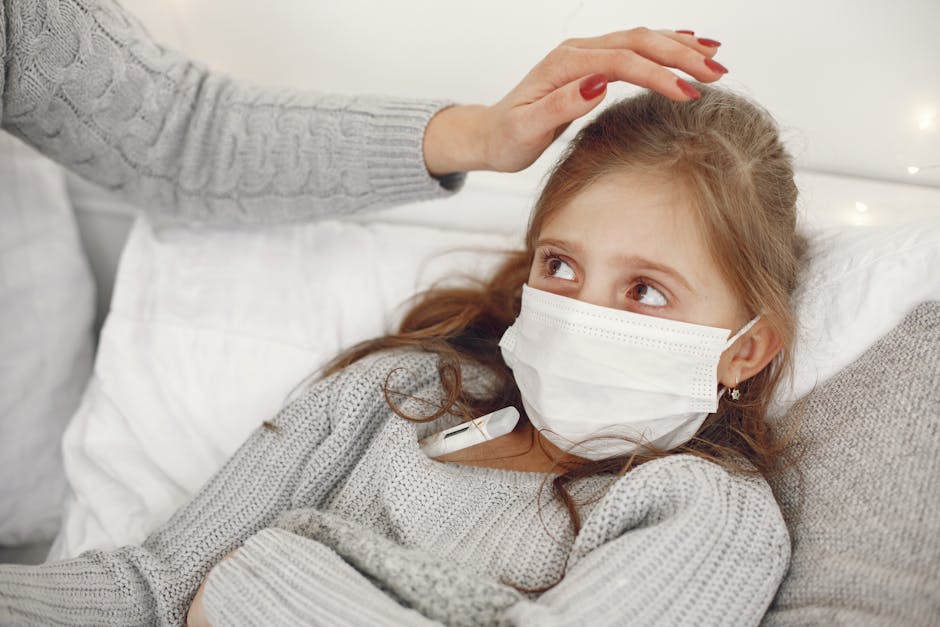
Adults with dengue almost always describe what feels like severe flu with bone-crushing pain. Children, especially under ten, often do not complain of that at all. Instead, they spike a sudden high fever, start vomiting, go off their food, and become either very clingy or unusually quiet. A rash appears in many children two to four days into the illness, usually spreading from the trunk outward, sometimes with pale islands of skin in the middle.
Febrile seizures are a real risk in young children with any high fever, dengue included. If your child has a seizure, call for help immediately. A short febrile seizure in an otherwise healthy child is not automatically a sign of brain involvement, but the fever needs to be controlled and the child needs to be assessed today, not tomorrow.
Lethargy and irritability matter more in children than in adults. A child who will not stop crying despite comfort, who cannot be woken easily, or who is limp and unresponsive is showing you something serious. Do not wait that out.
The Three Phases of Dengue, and What They Mean for Your Child
Dengue moves through three phases. The first is the febrile phase, which usually lasts three to five days. The fever is high, the child feels terrible, and this is when most parents bring them in. This is the right time for the NS1 antigen blood test, which can detect dengue from the first day of fever and gives results quickly.
The second phase is the critical phase, and this is the one that catches parents off guard. It usually starts around day four or five, just as the fever begins to drop. The child may seem more cheerful, and parents often assume the worst is over. It is not. This is when blood vessels can start to leak fluid and platelet count falls. We monitor platelet count closely during this window.
The third phase is recovery. Fluid shifts back, platelet count rises, and the child genuinely starts to improve. Recovery in children is usually faster than in adults, but it needs proper monitoring, not guesswork.
The Fever Drop Trap — Why Improvement Can Be Misleading
This is the mistake we see most often. The fever breaks around day four, the child smiles and asks for food, and everyone relaxes. But the critical phase has just started. In the 24 to 48 hours after the fever drops, fluid leakage and platelet decline can accelerate quickly in children.
Watch for abdominal pain, persistent vomiting, bleeding from the nose or gums, blood in urine or stool, and unusual drowsiness. A child who seemed better and then suddenly becomes pale, cold, or difficult to rouse needs emergency care immediately. These are signs of dengue shock syndrome, a serious and fast-moving complication.
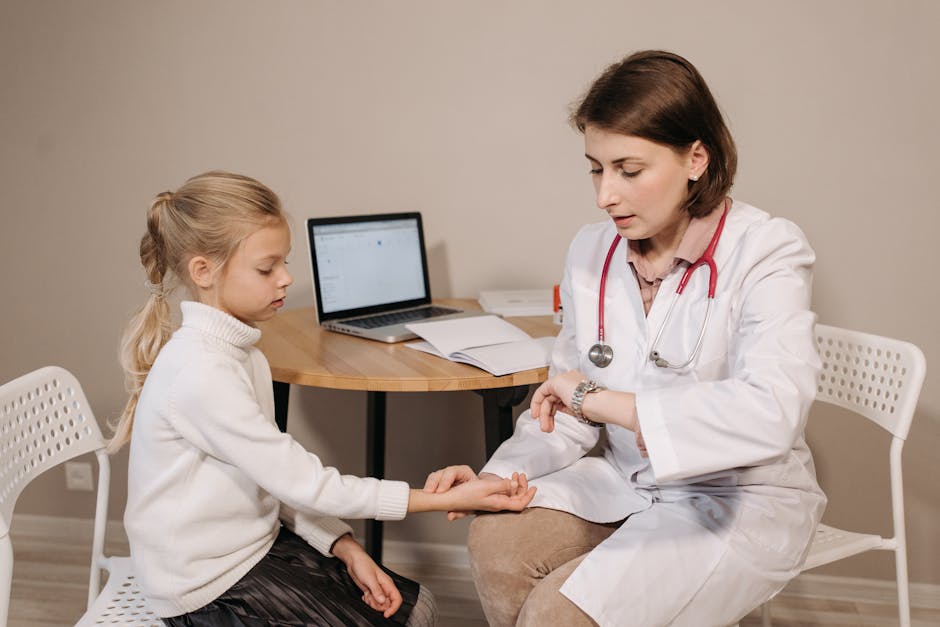
Doctor Samui can visit your hotel or villa for a follow-up platelet check during this phase. You do not need to bundle a sick child into a taxi. A repeat blood test during the critical window is often the difference between catching a problem early and facing an emergency later.
Koh Samui Dengue Risk — When, Where, and Why Children Are More Exposed
Dengue is present on Koh Samui year-round, but risk peaks during the rainy season, typically October through December, with a secondary peak from May to August. The mosquito that carries dengue, Aedes aegypti, bites during the day. This is where a lot of travel advice gets it badly wrong.
Multiple guides tell visitors to protect against mosquitoes at dusk or at night. For dengue, that misses the point entirely. Aedes aegypti is most active in the two hours after sunrise and in the late afternoon. Children playing on Chaweng beach, splashing at Na Muang waterfall, or napping on a poolside sunbed are at risk during daylight hours. Night-only protection leaves children exposed during exactly the time they are most active outdoors.
Children are also more likely to be bitten repeatedly across a single trip. Children who have had dengue before face a higher risk of severe disease with a second infection from a different serotype. This is called secondary dengue, and it is the main reason dengue can be more dangerous the second time around.
What We Do at Doctor Samui When a Child May Have Dengue
When a parent contacts us about a child with fever on Koh Samui, we start with an NS1 antigen rapid blood test. This can be done at our Chaweng clinic or at your accommodation. A positive result means we begin platelet monitoring and set a clear plan for which warning signs require immediate escalation.
We also check hydration, look at the rash, and ask about feeding and urine output. A child who is keeping fluids down, passing urine regularly, and alert and responsive can usually be managed at their accommodation with paracetamol, oral rehydration, and close monitoring. We do not give ibuprofen or aspirin for dengue in children. These medicines affect platelet function and can increase bleeding risk.
If platelet count is a concern, if there are signs of fluid leakage, or if a child cannot keep fluids down, we will discuss whether hospitalisation is the right step. Most mild dengue does not require a hospital, but some cases do, and we will tell you clearly if yours is one of them. Our team includes English, German, and Hebrew-speaking staff, and we handle these conversations every week during peak season.
Preventing Dengue in Children on Koh Samui
The only proven protection is preventing mosquito bites, and for dengue that means daytime protection. For infants under two months, do not use any chemical repellent. Use a mosquito net over the pram or cot instead, including during daytime naps outdoors.
From two months to twelve years, a repellent with 10 to 20 percent DEET applied by an adult to the child’s skin works well. Keep it away from their hands, eyes, and mouth. Picaridin is a DEET-free alternative that is gentler on young skin and works reliably. For children over twelve, 30 to 50 percent DEET gives longer protection during jungle or waterfall excursions.
Long sleeves and trousers during outdoor activities, especially near freshwater areas and shaded spots where Aedes aegypti breeds, reduce exposure significantly. Mosquito nets over cots during daytime naps matter as much as nighttime nets for dengue specifically.
The Qdenga dengue vaccine is licensed for children and may be worth discussing, particularly for children who have already had a confirmed dengue infection. Speak to us about whether it makes sense for your child, especially if your family returns to Koh Samui regularly or stays long-term. You can find more detail on dengue warning signs in children on our family health page.
If your child has a fever on Koh Samui and you are not sure whether it is dengue, do not wait it out. Doctor Samui can assess your child, run an NS1 antigen blood test, and monitor platelet count at your hotel or villa 24 hours a day, seven days a week. We cover the whole island including Chaweng, Lamai, Bophut, Maenam, and Choeng Mon. Early assessment keeps mild dengue manageable and prevents emergencies. Contact Doctor Samui to arrange a visit.
FAQ
Dr. Ponlawat Pitsuwan
Physician, Doctor Samui
a walk-in clinic based in Chaweng, Koh Samui, with 24/7 hotel and villa visits across the island. He sees tourists, families, and long-stay expats for dengue assessment, paediatric fever management, and monitoring of tropical illness in children. His focus is straightforward, evidence-based care delivered in plain language.
