Clinically reviewed by Dr. Ponlawat Pitsuwan, Physician, Doctor Samui.
Last reviewed: August 2026
Metamucil can help firm loose stools in mild functional diarrhea and IBS-D, but it is not a treatment for acute infectious diarrhea. If your diarrhea started after eating local food, swimming in the sea, or arrived with a fever, Metamucil is not what you need first. Rehydration comes before fiber, always.
You made it through half a plate of seafood at a beachside restaurant near Lamai, and by morning your stomach had other plans. You search your bag for anything that might help and find a travel pack of Metamucil. Good idea or bad idea? The answer depends entirely on what type of diarrhea you have, and on this island, that distinction matters more than most places.
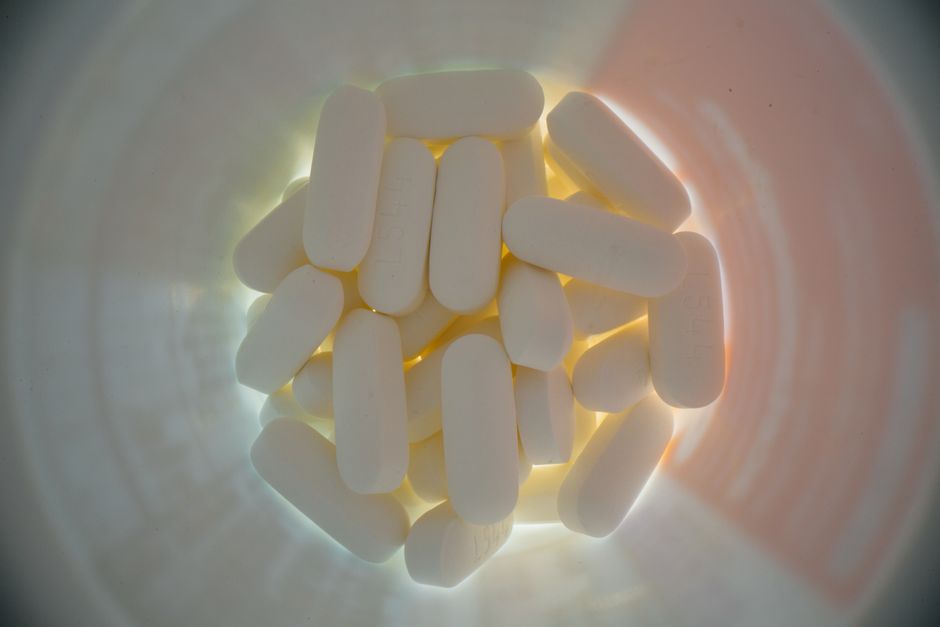
Metamucil contains psyllium husk, a soluble fiber that absorbs water and forms a thick gel in your gut. That gel can bulk up loose stools and slow things down. But it does not treat infection, and in the wrong situation it can delay the care you actually need. Here is how to know which situation you are in.
How Psyllium Husk Works on Loose Stools
Most people think of psyllium as a laxative, and they are right. But the same mechanism that softens hard stools can also firm up watery ones. When psyllium reaches your gut, it absorbs water and forms a thick, sticky gel that adds bulk and slows liquid moving through your bowel.
This works because psyllium absorbs excess water regardless of which direction your gut needs correcting. There is moderate evidence that it can also reduce urgency by binding certain gut irritants. The catch is that this only works when loose stools are functional, meaning your gut is misbehaving, not infected.
Does Metamucil Help With Diarrhea or Make It Worse?
The honest answer is both, depending on the cause.
For mild functional diarrhea, IBS-D, or loose stools from a recent diet change, psyllium husk has moderate evidence behind it. It can reduce stool frequency and improve consistency. Many long-stay expats on Samui use it regularly for exactly this reason.
For acute infectious diarrhea, the picture changes. Clinical guidelines for bacterial and viral diarrhea recommend avoiding bulk-forming fiber during the acute phase. Adding a bulking agent can slow your gut’s ability to clear the infection and cause bloating and cramping on top of everything else.
Psyllium can also trigger or worsen loose stools in the first week or two of use, especially if your dose is too high or your fluid intake is too low. If you started taking it recently and things have got worse, that is very likely why.

Traveler’s Diarrhea on Koh Samui — Why This Is a Special Case
This is the scenario we see most at our Chaweng clinic. A tourist eats at a beach restaurant, drinks tap water by mistake, or has raw shellfish at a night market, and within six to twenty-four hours they have watery, frequent diarrhea, sometimes with fever, nausea, or cramping.
That is not functional diarrhea. On Koh Samui, the likely culprits are Salmonella, E. coli, or Vibrio from seafood. These are bacterial infections. Metamucil will not touch them. Taking psyllium in this situation adds bulk to an infected gut without addressing what is actually driving the problem.
The right first step is oral rehydration salts, not fiber. In Samui’s heat, dehydration from diarrhea escalates faster than it would anywhere cooler. By the time you feel dizzy or notice your urine is dark, you are already meaningfully dehydrated. Rehydration first, then a clinical assessment to decide whether loperamide or antibiotics are needed. You can read more about our approach to diarrhea treatment in Koh Samui on our clinic page.
When Metamucil May Actually Make Things Worse
There are a few specific situations where reaching for psyllium is the wrong move.
If you are already dehydrated, Metamucil can make it worse. The gel it forms draws water into your bowel, and if you are not drinking enough to replace it, you lose more fluid than you gain. In Samui’s heat, the standard instruction of 240ml of water per dose is a bare minimum. If you have been in the sun, drinking alcohol, or staying active, you need significantly more on top of that.
If you are taking antibiotics or antimalarials, timing matters. Psyllium can reduce how well your gut absorbs medications by trapping them in the same gel. Separate Metamucil from any other medication by at least two hours. This applies to travel antibiotics like azithromycin or ciprofloxacin, which are sometimes used for traveler’s diarrhea.
Antibiotic-associated diarrhea is another case where psyllium alone will not fix things. If your diarrhea started after a course of antibiotics, the likely cause is gut flora disruption. Probiotics and sometimes specific treatment are more appropriate. Metamucil may ease symptoms slightly, but it is not getting to the root of the problem.
Red Flags That Mean You Need a Doctor, Not More Fiber
Blood or mucus in your stool is a red flag. A fever above 38.5°C alongside diarrhea points to infection. More than six loose stools in twenty-four hours, or diarrhea lasting longer than forty-eight hours without improvement, needs clinical review.
Dizziness, a dry mouth, or dark urine means dehydration is already significant. In a child under two, diarrhea with any of these features warrants same-day medical care. In Koh Samui’s climate, dehydration moves faster than most tourists expect, and waiting it out in a hotel room can turn a manageable situation into something more serious.
What Doctors at Our Koh Samui Clinic Actually Recommend
For mild loose stools without fever or blood, rest, oral rehydration salts, and a bland diet are the foundation. Psyllium husk can support stool consistency, but only if you are well-hydrated and there is no sign of active infection.
For moderate diarrhea, loperamide is often a better choice. It slows gut movement and reduces fluid loss while your body recovers, and it works within hours rather than days. It is not appropriate if there is blood in the stool or a high fever, but for non-bloody diarrhea it brings faster relief than fiber.
For suspected bacterial infection, we test and treat. A stool test or blood panel tells us whether antibiotics are needed. Guessing with fiber wastes time in an infectious diarrhea case. When dehydration is already significant, IV rehydration brings people around far faster than oral sips alone and can be done at our clinic or during a villa visit.
How to Take Metamucil Safely for Diarrhea
If your symptoms are mild and functional, and you have ruled out infection, here is how to use it sensibly.
Start with one dose once daily, not the maximum on the packet. Take it with at least 240ml of water and drink more fluid throughout the day on top of that. In Samui’s heat, aim for at least two to three litres of total fluid across the day.
Keep Metamucil at least two hours away from any other medications. Give it two to three days before deciding whether it is helping. If symptoms worsen after starting it, stop. That is your body telling you the problem is not a fiber issue.
If your diarrhea started after eating local food, involves fever, blood, or is not improving after 48 hours, it needs clinical assessment, not more fiber. Doctor Samui’s walk-in clinic in Chaweng is open for testing, rehydration, and treatment. We also do 24/7 hotel and villa visits across Koh Samui, including Lamai, Bophut, Maenam, and Choeng Mon, so you do not have to leave your room when you are unwell. Contact us to speak with a doctor or arrange a visit.
FAQ
Dr. Ponlawat Pitsuwan
Physician, Doctor Samui
a walk-in clinic based in Chaweng, Koh Samui, with 24/7 hotel and villa visits across the island. He sees tourists, families, and long-stay expats for acute diarrhea, food-related illness, dehydration, and traveler’s health concerns. His focus is straightforward, evidence-based care explained in plain language.