
Clinically reviewed by Dr. Ponlawat Pitsuwan, Physician, Doctor Samui.
Last reviewed: November 2026
Recovering from cosmetic surgery on Koh Samui means managing your wound in a hot, humid climate, often far from the surgeon who operated on you. The most important warning signs are spreading redness beyond the wound edges, pus, fever, or a leg that becomes swollen and painful after a flight. Doctor Samui can come to your hotel or villa for wound checks, dressing changes, and stitch removal across the island, 24 hours a day.
You had surgery in Bangkok or Phuket, and now you are three days into recovery at a villa in Lamai or a hotel near Chaweng beach. Your surgeon is hours away. You are standing in the bathroom mirror wondering if the swelling you are looking at is normal, or something you need to act on tonight.
Most post-operative recoveries do go smoothly. Swelling, bruising, and some tenderness in the first few days are expected. What you need to know are the specific things that should not wait: the signs that mean call a doctor now, not tomorrow morning.
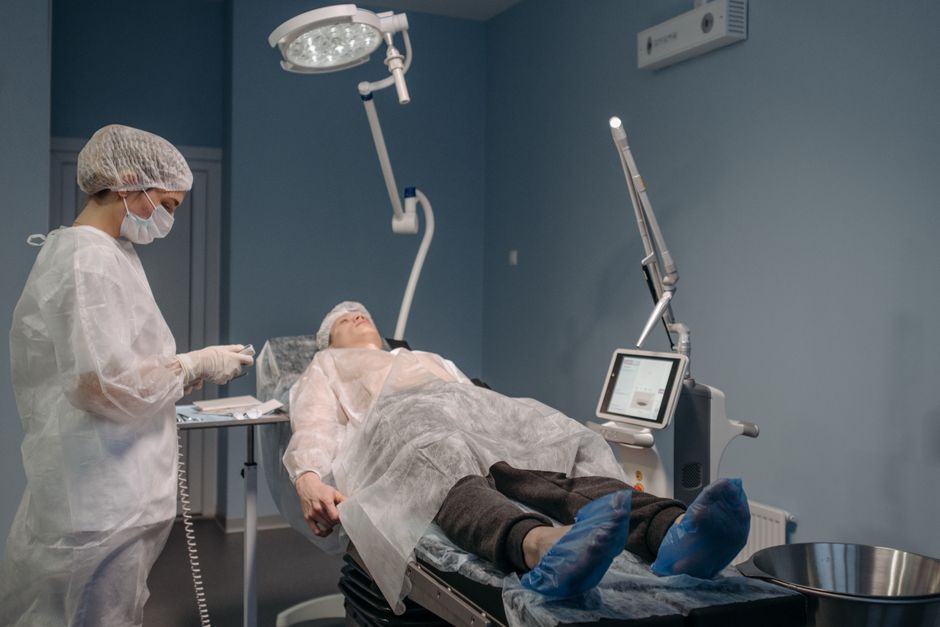
Normal Recovery Versus Complications After Surgery
In the first 48 to 72 hours after surgery, swelling typically peaks. Bruising spreads and darkens before it fades. Some fluid seeping onto the dressing is normal in the early days. Mild warmth directly around the incision is also expected.
After day three, things should improve, not worsen. If swelling increases after that point, if a firm lump appears under the skin, or if discolouration spreads well beyond the original bruise and turns very dark, that needs a clinical review. A blood collection under the skin, called a haematoma, and a fluid collection called a seroma are both early complications a doctor needs to assess in person.
The gap in aftercare for medical tourists is real. Your operating surgeon is not available for a same-day visit. A local doctor with access to your discharge paperwork can assess the wound properly and decide whether you need further treatment or simply reassurance.
Infection Signs After Cosmetic Surgery in Thailand
Infections after surgery do not always announce themselves loudly. The first signs are often subtle, and Koh Samui’s heat makes some easy to dismiss.
Watch for redness that spreads past the wound edges or past the dressing. This is the most reliable early signal. Also watch for yellow or green discharge, a wound that starts to pull apart at the edges, and skin that feels hot to the touch beyond the immediate incision site.
A fever at any point in the first two weeks after surgery needs medical assessment, not paracetamol and a wait-and-see approach. If the wound is on your face, neck, or chest and you notice red streaks spreading outward, get seen immediately. This pattern can indicate a deeper infection moving along tissue planes and needs urgent treatment.
Tropical humidity accelerates bacterial growth. A wound that might stay clean in a dry climate can deteriorate faster here. If you notice any change that does not feel right, do not wait for your next scheduled check. Doctor Samui offers wound assessment visits to hotels and villas across Chaweng, Lamai, Bophut, and the rest of the island, any hour of the day.

Blood Clots and Flying Home After Cosmetic Surgery
Surgery raises the risk of a deep vein thrombosis, a clot that forms in a leg vein. Long-haul flights raise it further. The two together are likely to raise risk further, though the size of that combined effect is uncertain.
Signs of a clot in the leg include swelling in one calf, warmth, redness, or a dull ache that does not ease with rest. If a clot travels to the lungs, it becomes a pulmonary embolism. Signs include sudden breathlessness, chest pain, or feeling faint. A pulmonary embolism is a medical emergency. Call for help immediately.
How long you should wait before flying depends on your procedure. Minor facial surgery typically allows an earlier return flight than a large body procedure such as an abdominoplasty or extensive liposuction. Your operating surgeon should give you a specific timeline. If they have not, or if you cannot reach them, get a pre-flight assessment before you board.
Compression stockings and staying well hydrated on the flight are standard advice for the post-operative travel window, but they do not replace a proper clinical clearance. If you need a fit-to-fly certificate before your flight home, Doctor Samui can assess you and issue one if you are medically ready to travel.
Dressings, Stitch Removal, and Koh Samui’s Climate
Koh Samui’s humidity changes wound care in practical ways. Dressings saturate faster here than at home. A dressing that stays dry for two days in a cooler climate may need changing daily on the island. Once a dressing becomes wet or peels at the edges, it stops being a barrier and starts being a problem. Change it.
Keep the wound dry between dressing changes. Do not let sweat sit against the wound under a dressing for hours. Use the air conditioning in your accommodation to help, especially overnight. If you run out of supplies or cannot manage the dressing yourself, a doctor can come to you. The wound dressing service at Doctor Samui covers daily care across the island.
On stitches: yes, a doctor at a different clinic can remove sutures placed by another surgeon. Bring your discharge summary, your post-op instructions, and your medication list. This tells the reviewing doctor what suture material was used and what the wound should look like at that stage. Doctor Samui handles stitch and suture removal at the clinic and during hotel visits.
On the beach and water: keep the wound away from seawater and pool water until your surgeon confirms it is fully healed. Saltwater carries bacteria that cause serious wound infections. Even a closed, dry-looking wound can allow bacteria in if it is not fully healed below the surface. Ask your doctor before any swimming.
If you are recovering from cosmetic surgery on Koh Samui and need a wound check, dressing change, stitch removal, or pre-flight clearance, Doctor Samui can come to your hotel or villa across the island, any time of day or night. Bring your discharge paperwork and we will take it from there. You can also walk in to the clinic in Chaweng. Contact us through doctorsamui.com or reach the 24-hour line directly.
Frequently Asked Questions
Dr. Ponlawat Pitsuwan
Physician, Doctor Samui
a walk-in clinic based in Chaweng, Koh Samui, with 24-hour hotel and villa visits across the island. He sees tourists, families, and long-stay expats for post-operative wound care, infection assessment, stitch removal, and pre-flight medical checks after cosmetic surgery abroad. His approach is straightforward, evidence-based care delivered in plain language.
References
- World Health Organization. Global guidelines for the prevention of surgical site infection, 2nd edition. WHO, 2018.
- National Institute for Health and Care Excellence. Surgical site infections: prevention and treatment (NG125). NICE, 2019 (updated 2020).
- NHS. Deep vein thrombosis (DVT). NHS, 2023.
- Gould MK, et al. Prevention of VTE in Nonorthopedic Surgical Patients: Antithrombotic Therapy and Prevention of Thrombosis, 9th ed. CHEST, 2012.
- Systematic review and meta-analysis of venous thromboembolism risk in surgical patients with recent air travel. British Journal of Surgery, 2023.
- Centers for Disease Control and Prevention. Venous Thromboembolism (Blood Clots). CDC, 2022.
The information in this article is for educational purposes only and does not constitute medical advice. It should not be used to self-diagnose or replace a consultation with a qualified physician. If you have concerns about your health, contact a licensed medical professional. For appointments at Doctor Samui, visit doctorsamui.com.
