

Clinically reviewed by Dr. Ponlawat Pitsuwan, Physician, Doctor Samui.
Last reviewed: November 2026
Days of swimming at Chaweng or Lamai can trigger a urinary tract infection through a combination of ocean bacteria, prolonged wet swimwear, dehydration, and sexual activity. Symptoms include burning during urination, frequent urgent trips to the toilet, and cloudy or strong-smelling urine. A urine test at a clinic confirms the diagnosis and guides antibiotic choice. If you develop fever, back pain, or vomiting alongside these symptoms, that points toward a kidney infection and needs same-day assessment.
You have spent three days between the pool and the beach at Lamai, barely touched water from a glass, and now every trip to the bathroom feels like a small punishment. Burning when you pass urine, pressure you cannot ignore, and trips every twenty minutes that produce almost nothing. This is a pattern many visitors to Koh Samui recognise by day three or four of a beach holiday. It needs a urine test and the right antibiotic, not a wait-and-see approach.
An uncomplicated lower UTI, meaning an infection confined to the bladder, responds quickly to treatment when caught early. The concern is that beach holidays stack several risk factors on top of each other at once. Ocean water, prolonged wet swimwear, dehydration from heat and alcohol, and honeymoon activity all raise the likelihood of bacteria reaching the bladder. Knowing what you are dealing with, and when home remedies are not enough, makes the difference between one uncomfortable day and a week of worsening pain.
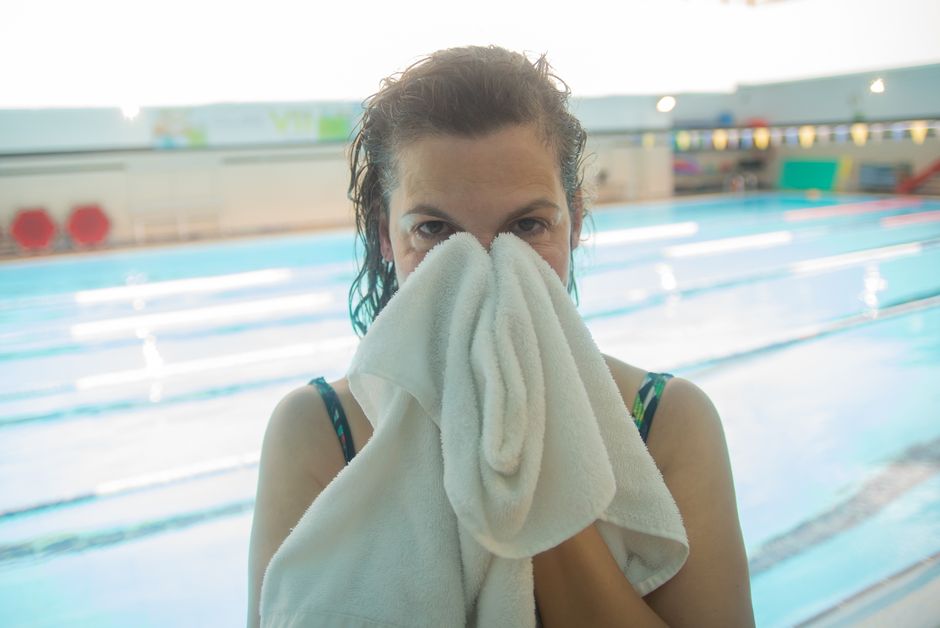
Why a Week of Swimming at Chaweng or Lamai Brings on Symptoms
Bacteria cause almost all urinary tract infections. Escherichia coli, responsible for most cases, lives naturally in the gut and spreads to the urethra through contaminated water, swimwear friction, or simple anatomy. Ocean water at popular beaches carries a bacterial load that increases near shore, particularly after rain when storm drain runoff mixes with sea water. Chaweng and Lamai are high-traffic beaches during peak season, and water quality close to the shoreline is not the same as open water.
The infection does not come from sea water directly entering the bladder. Bacteria from the water, from skin, or from the perianal area colonise the urethra, the short tube leading to the bladder. In women, this tube is short, which is why women get UTIs far more often than men. From the urethra, bacteria travel upward into the bladder and multiply. Time in the water provides opportunity. Everything else that happens during a beach holiday makes the conditions easier for bacteria.
Salt Water, a Wet Bikini, Dehydration and a Honeymoon Week
A wet swimsuit worn for several hours after leaving the water keeps the urethra in warm, damp conditions where bacteria thrive. Salt water also alters the natural pH of skin around the urethra and can cause minor irritation that makes it easier for bacteria to get a foothold. Dehydration is a significant factor here. When you are not drinking enough fluid in the heat, urine becomes concentrated and you urinate less often, which means bacteria have more time to multiply in the bladder before being flushed out.
Sexual activity is one of the strongest individual risk factors for UTIs in women. The term honeymoon cystitis exists for a reason. A week at a Chaweng or Lamai resort often combines all of these things: physical activity in the sea, a wet swimsuit for hours, heat, alcohol, dehydration, and sexual activity. Each one slightly raises the risk. Together, they explain why symptoms often appear around day three or four.
Typical Symptoms, and Signs It May Be a Kidney Infection Instead
A lower UTI typically causes burning or stinging when you pass urine, a frequent urge to go even when the bladder is nearly empty, pelvic pressure or discomfort, and urine that looks cloudy or smells stronger than usual. Symptoms come on over a few hours and tend to worsen rather than improve without treatment. This is not something that usually resolves on its own in an adult.
It is worth knowing whether what you have is irritation from salt water or an actual infection. External burning or rawness that eases within a few hours of rinsing and drying off is more likely mechanical or chemical irritation of the skin. A real infection causes burning deep inside during urination, persistent urgency and frequency, and symptoms that worsen over twelve to twenty-four hours rather than fading. Cloudy urine and a strong smell are reliable signs that bacteria are present.
Fever, Flank Pain, Vomiting and Feeling Too Unwell to Stay at the Villa
If the infection ascends from the bladder to the kidneys, it becomes a kidney infection. This is a more serious situation. The specific warning signs are a temperature above 38 degrees Celsius, pain in one or both sides of your lower back or flank, nausea or vomiting, and feeling genuinely unwell rather than just uncomfortable. These symptoms mean the infection has moved deeper, and oral antibiotics alone may not be enough if vomiting prevents you from keeping them down.
An untreated kidney infection carries a risk of the infection entering the bloodstream and becoming a whole-body emergency. Lying in a villa and hoping it passes overnight is a dangerous choice if you have a fever alongside urinary symptoms. Do not wait until morning and do not rely on over-the-counter products. Same-day clinical assessment is what you need. Doctor Samui offers 24-hour hotel and villa visits across Koh Samui, including Chaweng and Lamai, for exactly this kind of situation.

What a Pharmacy on the Beach Road Can and Cannot Safely Sell You
Thai pharmacies on the beach road in Chaweng and Lamai sell a wide range of products. This is worth understanding clearly. Trimethoprim and nitrofurantoin, two antibiotics commonly used for UTIs in some countries, are prescription-only in Thailand and not reliably available from beach pharmacies.
What pharmacies can appropriately offer are urine dipstick strips to check for signs of infection, oral rehydration sachets, pain relief, and urinary alkalizers that ease burning during urination. These help with comfort but they do not treat the underlying infection. Taking the wrong antibiotic, an incomplete course, or one that bacteria in Thailand are resistant to can suppress symptoms temporarily while the infection continues. Antibiotic resistance in urinary pathogens is a genuine concern in Southeast Asia, and it is one more reason why a correct diagnosis and a properly guided prescription matters. For UTI treatment in Koh Samui, a proper urine test is the starting point.
What a Clinic Visit for a UTI After Swimming Usually Includes
When you come to Doctor Samui’s Chaweng clinic, or when a doctor visits your hotel or villa, the first step is a urine dipstick test. This checks for white blood cells, nitrites, and blood in the urine, which together indicate a bacterial infection. Results are available within a few minutes. For a first uncomplicated UTI in someone otherwise healthy, a dipstick result combined with your symptoms is usually enough to start treatment the same day.
If you have had recurrent UTIs, if the dipstick result is unclear, or if you have recently taken antibiotics, a urine culture gives more information. This test identifies exactly which bacteria are present and which antibiotics will work, so you do not spend several days on a drug that will not work. Treatment starts the same day based on the dipstick while the culture confirms the best antibiotic choice.
For anyone with fever, flank pain, or vomiting, the assessment goes further. IV fluids may be needed if dehydration is severe or if oral antibiotics cannot be kept down. Doctor Samui can arrange mobile IV drip services at your villa in Lamai or Chaweng if you are too unwell to travel. For anyone with similar urinary symptoms that could overlap with a sexually transmitted infection, the same visit can include confidential STI screening to rule that out at the same time.
Getting Back in the Sea, and When to Stay Out of Chaweng or Lamai Water
Swimming with an active UTI will not affect anyone else in the water, but it is likely to worsen your own symptoms. Ocean water exposure, time in a wet swimsuit, and physical exertion all aggravate bladder irritation. Most clinicians advise resting from the water until symptoms have clearly improved and you feel well enough to swim. There is no single guideline-endorsed waiting period, but returning to the water while still symptomatic is likely to aggravate bladder irritation.
When you do go back in, a few habits reduce the chance of a recurrence. Urinate before and after swimming. Change out of your swimsuit as soon as you leave the water. Drink water consistently through the day, not just when you feel thirsty. If this is a recurrent pattern for you at Chaweng or Lamai, a urine culture is a reasonable next step, and a urinary tract infection assessment at the clinic can help establish whether a preventative approach is appropriate.
Men who develop urinary symptoms after swimming should not dismiss them. A UTI in a man is less common and can point to an underlying cause, including prostatitis or a structural issue. It warrants clinical assessment rather than a wait-and-see approach.
If you have burning when you pass urine, frequent urgent trips to the toilet, or any fever or back pain after swimming at Chaweng or Lamai, Doctor Samui can test and treat you the same day. Walk into the clinic in Chaweng, or call for a 24-hour hotel or villa visit anywhere across the island. A urine test takes a few minutes. Treatment can start the same day.
Frequently Asked Questions
Dr. Ponlawat Pitsuwan
Physician, Doctor Samui
a walk-in clinic based in Chaweng, Koh Samui, with 24-hour hotel and villa visits across the island. He sees tourists, families, and long-stay expats on Koh Samui for urinary tract infections, kidney infections, and common illnesses triggered by beach and water activity. His focus is straightforward, evidence-based care delivered in plain language.
References
- Foxman B. Urinary tract infection syndromes: occurrence, recurrence, bacteriology, risk factors, and disease burden. Infect Dis Clin North Am. 2014;28(1):1-13.
- Hooton TM. Clinical practice: uncomplicated urinary tract infection. N Engl J Med. 2012;366(11):1028-37.
- Juthani-Mehta M et al. Cranberry Products for Preventing Urinary Tract Infections. Am Fam Physician. 2024;110(1).
- Centers for Disease Control and Prevention. Clinical Overview of Urinary Tract Infections. CDC, 2024.
- World Health Organization. Antimicrobial resistance: global report on surveillance. WHO, 2014.
- StatPearls. Urinary Tract Infection. National Library of Medicine, 2024.
The information in this article is for educational purposes only and does not constitute medical advice. It should not be used to self-diagnose or replace a consultation with a qualified physician. If you have concerns about your health, contact a licensed medical professional. For appointments at Doctor Samui, visit doctorsamui.com.
