
Clinically reviewed by Dr. Ponlawat Pitsuwan, Physician, Doctor Samui.
Last reviewed: November 2026
Ang Thong National Marine Park has no medical post, no pharmacy, and no road access. If something goes wrong on the trip, reaching a clinic on Koh Samui takes a minimum of one to two hours by speedboat after the decision to turn back is made. Coral cuts, heat exhaustion, and dehydration from vomiting are the most common problems. Know before you board what the boat crew can manage and when you should ask to go back.
You are forty-five minutes off the east coast of Koh Samui, the limestone islands just visible on the horizon, and someone in your group has gone pale and stopped sweating on the viewpoint trail. Most problems on an Ang Thong day trip are manageable. But the window between manageable and serious shrinks fast when you are that far from a clinic.
Ang Thong is not like a beach day at Chaweng or a snorkel off Lamai. There is no doctor, no nurse, no pharmacy, and no vehicle on those islands. Every decision about whether to push on or turn back is a decision about time, and time is the one thing you cannot recover once it is gone.

Why an Ang Thong Day Trip Is Medically Different From a Beach Day in Chaweng
A beach day on Samui puts you within fifteen minutes of a clinic in most parts of the island. Ang Thong puts you an hour or more offshore, inside a protected park where no commercial medical service operates.
The park covers dozens of small islands across a wide stretch of the Gulf of Thailand. Tour boats typically depart from Nathon pier on the west coast or from Mae Nam or Bang Rak on the north coast. Travel time to the park varies by boat type and sea conditions but commonly runs forty-five minutes to over an hour each way.
No Clinic on the Islands and a Long Run Back to Nathon or the East-Coast Piers
There is a park ranger station at the main island, Ko Wua Ta Lap. Rangers are not medical staff. They may have a basic first-aid kit. They do not have diagnostic equipment, IV fluids, wound irrigation supplies, or the ability to arrange a medevac helicopter under routine conditions.
If your boat turns around at 11:00 and runs at full speed back to Nathon, you are unlikely to reach a clinic before early afternoon. If the sea is rough or the return leg is on a slower boat, that window stretches further. A serious injury mid-morning may not reach professional care until mid-afternoon or later. That gap is the medical reality of this trip.
The Usual Problems: Viewpoint Heat, Snorkel Cuts, Seasickness and a Cramped Boat
Most problems that come up fall into three categories: heat illness from the viewpoint hike, reef injuries from the snorkel stop, and seasickness or dehydration from the boat legs. None of them is unusual. All of them become more serious the longer they go without attention in this heat.
If you are prone to motion sickness, oral antihistamine-based tablets such as meclizine or dimenhydrinate need to be taken roughly thirty to sixty minutes before departure, not once your stomach has already started turning. Taking them after symptoms start is largely too late. If you have had severe seasickness on boats before, ask at Doctor Samui before the trip. There are prescription options that work better for some people.
The Hike to the Viewpoint in Midday Sun
The viewpoint trail at Ko Wua Ta Lap involves steep, uneven steps and significant elevation gain. Most tour schedules put this climb between 10:00 and 13:00, the hottest part of the day. There is limited shade on the upper section. It takes longer than most people expect.
Heat exhaustion and heat stroke are different things. Heat exhaustion means heavy sweating, weakness, nausea, and cool or pale skin. The person is still conscious and responding. Move them to shade, give oral rehydration fluids if they can swallow, and cool them with water. This can usually be managed on-site.
Heat stroke is when body temperature rises dangerously and sweating stops. The skin is hot and dry. The person may be confused or unresponsive. Heat stroke is a turn-back emergency. Do not wait to see if it improves.
A child or older adult who stops sweating on that trail and becomes confused needs to be on a boat back to Samui immediately. Shade and water alone are not enough.
Coral, Rock and Current While You Are Hours From a Dressing
A reef scrape that looks shallow often is not. Coral leaves calcium carbonate fragments in the skin. A quick rinse with seawater on the boat does not remove them. Those fragments drive ongoing inflammation and open the wound to bacterial infection from the tropical marine environment. Reef-related infection can develop within hours in this climate.
On the boat, rinse the wound with fresh water or saline, not seawater. Cover it with the cleanest dressing available. Keep it out of the water for the rest of the trip. That is the right first step, and it is only the first step. Professional wound irrigation at a clinic the same day is needed to remove what you cannot see. Skipping that step is how a minor cut becomes a cellulitis that ruins the rest of a holiday.
What the Crew Can Usually Handle, and When You Should Ask to Turn Back
Boat crew on licensed tour operators carry a first-aid kit and are trained for basic response. They can help with minor cuts, seasickness, and basic heat management. They cannot irrigate a wound properly, assess a head injury, or manage a collapsed passenger beyond stabilisation.
Ask the crew to turn back for: suspected heat stroke with confusion or absent sweating, a wound that is deep, gaping, or not slowing with direct pressure, chest pain or difficulty breathing, any loss of consciousness, a child with high fever, or severe vomiting that prevents any fluid intake. These are not situations where you wait until the scheduled dock time. Knowing when to turn back from an Ang Thong day trip and act quickly is the decision that matters most.
For everything below those thresholds, monitor closely. Keep the person cool, hydrated, and out of further sun. Note the time the problem started. Take a photograph of any wound before you dress it. These details matter when you reach a clinic.
After You Reach Samui: Clinic, Tetanus and When a Wound Cannot Wait Until Morning
When you get back to Samui, do not wait until morning for a reef or rock wound. Tropical marine bacteria are aggressive, and a wound that looked manageable on the boat can look very different twelve hours later. Same-day wound care at Doctor Samui’s Chaweng clinic is the right call. If you are docking at Nathon or staying on the west side of the island, the clinic can assess and treat you, or arrange a hotel or villa visit if you cannot travel.
Tetanus status matters here. If your last booster was more than five years ago, or you cannot remember, a reef or rock wound on a remote island is exactly the situation for a booster. Reef and rock wounds are treated as contaminated wounds, and the threshold for a booster is five years, not the ten years that applies to clean minor wounds. Ask when you come in and we check on the spot.
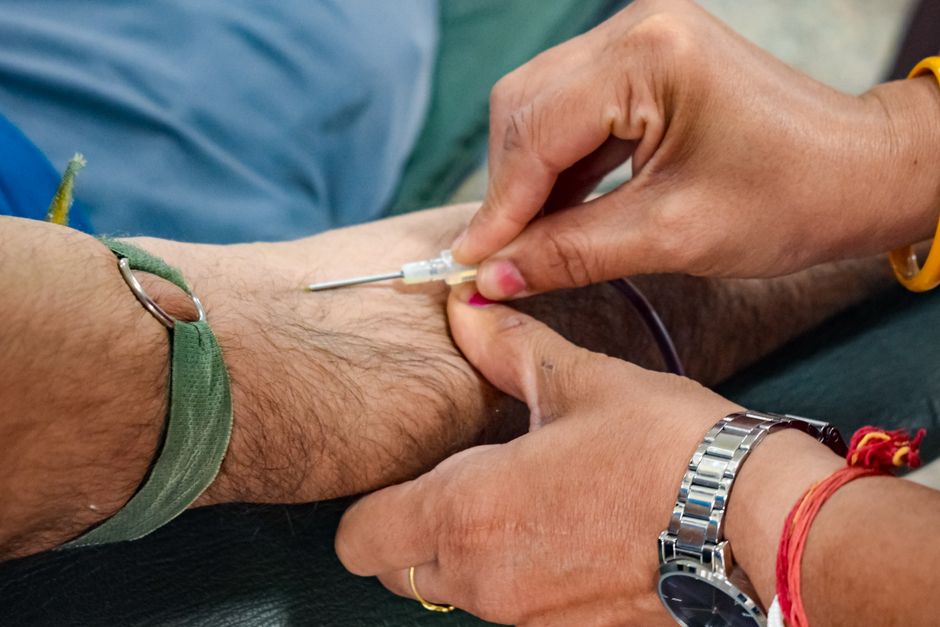
Wound irrigation is not something to skip because the cut looks small. Fragments you cannot see cause problems you will not notice for two or three days, by which point you may be on a flight home. For anyone too exhausted or unwell to reach the clinic after a long day on the water, IV rehydration and assessment via hotel or villa visit is available across the island.
If you are unsure whether your symptoms need same-day care, use this rule: if the symptom is fully gone within thirty minutes of reaching shore, you are walking normally, and you are keeping fluids down, monitoring is reasonable. A wound deeper than a surface graze, persistent vomiting, confusion, chest pain, or a child with fever means see a doctor today.
Who Should Skip the Trip or Choose a Shorter, Closer Island Instead
The viewpoint hike is not suitable for everyone. Anyone with known cardiovascular disease, uncontrolled blood pressure, or recent chest symptoms should speak to a doctor before booking. The trail is steep, exposed, and far from help. A collapse on that path means a ranger station with basic supplies and a long boat ride.
Pregnant travellers, those who have had recent abdominal or spinal surgery, and anyone with a history of severe motion sickness should think carefully. The boat ride can be rough, especially during the northeast monsoon season, which typically runs from around November through January on the Gulf coast near Koh Samui. The park closes during the northeast monsoon, typically from around 1 November through mid-December, though exact dates vary each year. Check current status before booking.
For families with young children, the snorkelling and kayaking elements of the trip work well. The viewpoint hike is long and hot for small children. A closer reef trip from Chaweng or the north coast carries similar snorkelling reward with far less exposure time and an easy return if someone feels unwell.
Anyone with a pre-existing heart condition, suppressed immunity, or an active skin condition should discuss the trip at Doctor Samui before departure. Not after a problem develops on a remote island. If you need a pre-trip health check before heading out to Ang Thong, the Chaweng clinic can run one the same day.
Back from an Ang Thong day trip with a reef cut, a wound that needs dressing, or someone in your group hit hard by the heat? Doctor Samui’s walk-in clinic is in Chaweng. If you cannot travel after a long day on the water, our doctors cover hotel and villa visits across the island, including the west coast near Nathon. Come in the same day for wound irrigation, tetanus assessment, and IV rehydration if needed. Do not leave a reef wound until morning.
Frequently Asked Questions
Dr. Ponlawat Pitsuwan
Physician, Doctor Samui
a walk-in clinic based in Chaweng, Koh Samui, with 24-hour hotel and villa visits across the island. He sees tourists, families, and long-stay expats for reef injuries, heat illness, wound care, and travel-related problems following day trips and outdoor activities. His focus is straightforward, evidence-based care delivered in plain language.
References
- NHS. Heat exhaustion and heatstroke. NHS, 2024.
- Centers for Disease Control and Prevention. Motion Sickness. CDC Yellow Book, 2024.
- Thai National Parks. Mu Ko Ang Thong National Park.
- Relias Media. The Chief Resident Presenting with a Coral Cut Injury. Emergency Medicine Reports.
- GoodRx. How Often Do You Need a Tetanus Shot? GoodRx Health.
The information in this article is for educational purposes only and does not constitute medical advice. It should not be used to self-diagnose or replace a consultation with a qualified physician. If you have concerns about your health, contact a licensed medical professional. For appointments at Doctor Samui, visit doctorsamui.com.
