

Clinically reviewed by Dr. Ponlawat Pitsuwan, Physician, Doctor Samui.
Last reviewed: November 2026
A PSA test is a blood draw that measures prostate-specific antigen, a protein made by the prostate gland. A raised level does not confirm cancer. It can come from a benign enlarged prostate, inflammation, or temporary factors like vigorous exercise. The result only means something when a doctor reads it alongside your age, symptoms, and history. On Koh Samui, Doctor Samui can draw the blood, run the test, and explain the result the same visit.
You booked the long-tail boat, the snorkel trip, maybe a scooter run along the ring road. A PSA test was not on the itinerary. But if it has been sitting on your to-do list since before you left home, Koh Samui is a practical place to get it done. One blood draw, walk-in, no appointment needed at the Chaweng clinic.
What trips people up is the result. A number on a lab printout, no doctor in the room, no context. That gap is where anxiety starts. This guide explains what PSA measures, who should test, what temporarily throws the number off, and what your result actually means.
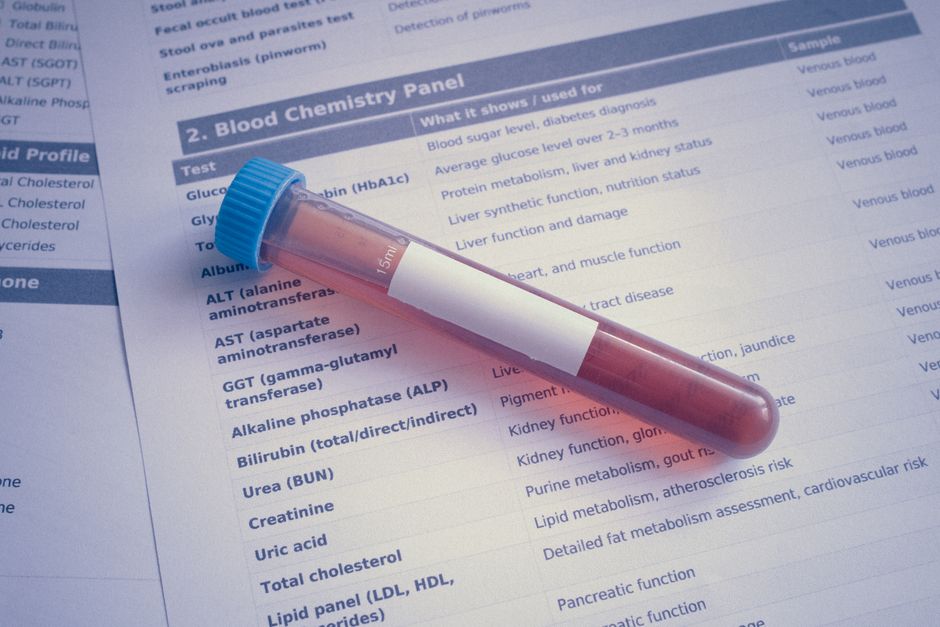
What PSA Measures
PSA stands for prostate-specific antigen. It is a protein the prostate gland produces. A small amount leaks into the bloodstream, and a blood test measures how much.
Two values matter. Total PSA is the headline number. Free PSA is the portion not bound to other proteins in the blood. The ratio of free to total PSA gives more information than the total number alone. When most of the PSA is in the free form, cancer is less likely than when only a small fraction is free. This ratio is one reason why a physician-read result is more useful than a bare lab printout.
Two other measures come up in follow-up rather than first testing. PSA density compares your level to the size of your prostate, usually measured by ultrasound. PSA velocity tracks how fast the number is rising across multiple tests over time. Neither replaces the initial blood draw, but both help when a single elevated result is unclear.
Who Should Get a PSA Test in Thailand
Most guidelines support a conversation about PSA screening starting between age 45 and 50 for men at average risk. For men with a close family history of prostate cancer, or men of African descent, that conversation is reasonable from around age 40 to 45. This reflects current guidance from the American Urological Association, which recommends shared decision-making rather than blanket screening for everyone.
Long-stay expats on Samui who have missed routine checks at home, and travelling men over 45 with no recent PSA on record, are the two groups where a walk-in test makes practical sense. A health check-up at the Chaweng clinic covers PSA alongside other standard blood markers.
There is no strong evidence that PSA screening benefits men over 70 with no urinary symptoms or prior elevated results. If you are in that group, the decision depends on your overall health and what you would do with the result.
Things That Raise PSA Temporarily
Several common activities push PSA up for a short period. Knowing them matters because they can turn a normal result into a borderline one.
Ejaculation in the 48 hours before the blood draw can raise PSA. A digital rectal exam does the same, which is why the blood sample should always be taken before any physical prostate examination. Vigorous exercise, especially cycling, places pressure on the prostate and is a recognised cause of temporary elevation. If you spent the morning on a mountain bike trail near Nathon or a long dive day out of Bophut with heavy equipment, wait 48 hours before testing.
A urinary tract infection or active prostatitis, meaning inflammation of the prostate, will elevate PSA significantly. If you have burning on urination, pelvic discomfort, or fever, address the infection first and retest later. None of these make PSA unreliable overall. They just mean the timing of the test matters.

PSA Results and Next Steps
There is no single PSA cutoff that applies to every man. Age matters. A result that warrants close attention in a 45-year-old may be less concerning in a 70-year-old. Most laboratories in Thailand still print a single reference range, which does not reflect this. Age-specific interpretation is one of the things a doctor adds that a lab report cannot.
A borderline or mildly elevated result does not mean cancer. It usually means one of three things: repeat the test in a few months to check the trend, assess PSA density with a prostate ultrasound, or refer to a urologist for further review. At Doctor Samui, the attending physician interprets results with your history in front of them and advises on the appropriate next step, whether that is reassurance, a repeat test, or a referral to a specialist on the island or in Bangkok.
Results are typically available the same day or the following morning depending on the laboratory used. If you are staying outside Chaweng, Doctor Samui’s 24/7 hotel and villa visits cover Bophut, Maenam, Lamai, Choeng Mon, Bang Rak, and the rest of the island. A doctor attends your accommodation, draws the blood on-site, and follows up directly with the result and recommendations.
If your result comes back clearly elevated and you have urinary symptoms alongside it, that warrants same-day clinical assessment. Difficulty starting urination, weak flow, blood in urine, or pelvic pain with a high PSA needs a doctor that day, not a wait-and-see approach.
What Happens at the Appointment
The blood draw itself takes a few minutes. A doctor or nurse draws a small sample from a vein, usually in the forearm. There is no fasting required and no preparation beyond avoiding the temporary factors listed above.
At Doctor Samui, the attending physician reviews the result with you rather than handing you a printout to interpret alone. They note your age, any symptoms, and whether anything in your history changes the picture. If a follow-up test or specialist referral makes sense, they advise on that before you leave or at the time of the follow-up call.
Men who want to combine PSA with a broader screen can include it as part of a full health check-up, which covers blood pressure, cholesterol, kidney and liver markers, and other standard panels alongside prostate-specific markers. This is particularly useful for long-stay visitors or expats who have not had a full check in more than a year.
Doctor Samui offers PSA blood tests at the Chaweng walk-in clinic and through 24/7 hotel and villa visits across Koh Samui. A physician draws the blood, interprets the result in the context of your age and history, and advises on next steps in the same visit. No appointment needed. Contact Doctor Samui to arrange a same-day PSA test or a visit to your hotel or villa anywhere on the island.
Frequently Asked Questions
Dr. Ponlawat Pitsuwan
Physician, Doctor Samui
a walk-in clinic based in Chaweng, Koh Samui, with 24/7 hotel and villa visits across the island. He sees tourists, long-stay expats, and men travelling through Koh Samui for prostate health assessments, PSA testing, and health check-ups. His focus is straightforward, evidence-based care delivered in plain language.
References
- Catalona WJ et al. Measurement of prostate-specific antigen in serum as a screening test for prostate cancer. New England Journal of Medicine, 1991.
- National Cancer Institute. Prostate-Specific Antigen (PSA) Test. NCI, 2023.
- U.S. Preventive Services Task Force. Screening for Prostate Cancer: US Preventive Services Task Force Recommendation Statement. JAMA, 2018.
The information in this article is for educational purposes only and does not constitute medical advice. It should not be used to self-diagnose or replace a consultation with a qualified physician. If you have concerns about your health, contact a licensed medical professional. For appointments at Doctor Samui, visit doctorsamui.com.
