Clinically reviewed by Dr. Ponlawat Pitsuwan, Physician, Doctor Samui. Last reviewed: August 2026
Cat bites carry a high infection risk because the teeth drive bacteria deep into tissue. Pasteurella multocida, the main bacterial culprit, can cause redness and swelling within hours. Prophylactic antibiotics are recommended after almost all cat bites. Amoxicillin-clavulanate is the first-line choice. Cephalexin and erythromycin, common in Thai pharmacies, do not work against this bacteria.
You were feeding the cat behind the beach restaurant in Bophut. It seemed calm, it took the fish, then it turned and bit the back of your hand before you pulled away. The wound is small and barely bleeding. Do not dismiss it. Cat bites become infected far more often than people expect, and the bacteria responsible, Pasteurella multocida, can take hold within hours.
This is one of the most common animal bite situations we see at Doctor Samui. It happens all over the island: resort lobbies, temple grounds in Nathon, night markets in Chaweng. Stray cats here are everywhere, they are used to being fed by tourists, and they bite without much warning. A small puncture needs prompt cleaning and, in most cases, antibiotics. This article tells you what to do, what to watch for, and why the wrong antibiotic is worse than you might think.
Why Cat Bites Are More Dangerous Than They Look
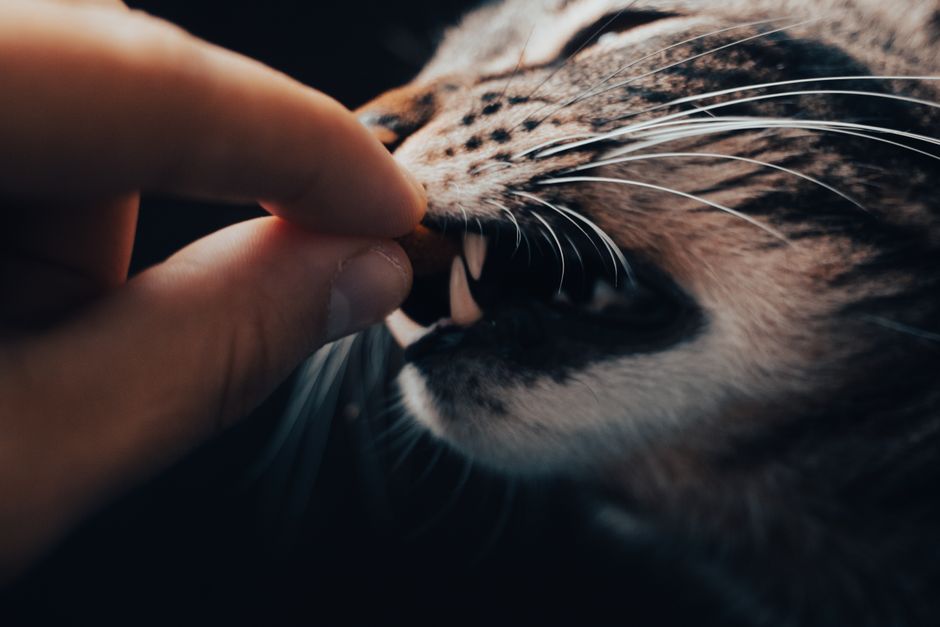
A cat’s teeth are narrow and sharp. They drive bacteria straight down into tissue and the skin seals over the top, trapping everything below the surface. There is no open wound to drain. You cannot tell from looking at it how deep the bacteria have gone.
Dog bites become infected in roughly three to eighteen percent of cases. Cat bites become infected in twenty to eighty percent of cases. That gap is the reason we treat cat bites differently. A small puncture that looks clean on the outside can be a significant bacterial problem underneath.
Bites to the hand are the ones we see most often, and they carry the most risk. The tendons and joint spaces in the hand sit very close to the skin surface. A bite near a knuckle warrants same-day assessment, full stop.
Pasteurella Multocida and Why It Matters
Pasteurella multocida lives in the mouths of most cats. Carriage rates in domestic and stray cats run between seventy and ninety percent in published studies. It does not make the cat sick. It just sits there, ready to be introduced into you with any bite.
Once it gets into soft tissue, it can spread quickly. Redness and swelling around the wound is the most common result. Left untreated, it can reach joints, bones, or the bloodstream. These complications are uncommon, but they move faster with Pasteurella than with most other wound bacteria.
Cat bites also carry multiple types of bacteria at once. Pasteurella is the most aggressive, but others come along too. This is part of why treatment needs to cover a broad range of organisms.
Symptoms of a Pasteurella Cat Bite Infection
Pasteurella moves fast. Redness, warmth, swelling, and pain around the wound can appear within three to six hours of a bite. A typical wound infection takes a day or two. This one does not.
If you notice swelling tracking up from the wound, red streaking, fever, or swollen glands near the bite, the infection is spreading. Come in immediately. Spreading soft tissue infections may need IV antibiotics rather than oral ones.
Pain out of proportion to the wound size is another warning sign. A bite that seemed trivial but is very painful by the time you reach your hotel is worth getting checked that evening.
The Koh Samui Context: Stray Cats and Tourist Feeding
Stray cats are a fixed part of life on this island. They live at almost every beach restaurant, resort lobby, and temple ground from Chaweng to Taling Ngam. Most have had enough human contact to seem tame, but tame is not the same as predictable.
Children are at particular risk. A cat that tolerates adults may bite a child who picks it up, and children’s bites are often to the hands and face. If your child is bitten, clean the wound right away and call us. We do 24/7 hotel and villa visits across Koh Samui, so you do not need to work out transport in the dark.
Kittens are not safer. Their teeth still break skin easily and they carry the same bacteria. The size of the animal does not change the infection risk.
First Aid in the First 15 Minutes
Wash the wound immediately with soap and water for at least fifteen minutes. Not when you get back to the hotel. Now, at the tap, wherever you are. Sustained irrigation with soap and water reduces bacterial load and is part of the WHO bite wound management protocol.
Do not seal the wound with tape or a plaster that blocks drainage. Let it breathe. Do not pour antiseptic spirits directly into the wound. Soap and water, rinsed thoroughly, is the right first step.
After washing, get to a clinic or call for a hotel visit. First aid buys time. It does not replace antibiotics.
Antibiotics: Why the Right Drug Matters for a Pasteurella Cat Bite
Amoxicillin-clavulanate is the first-line antibiotic for cat bites. It covers Pasteurella multocida and the other bacteria typically present. A course runs five to seven days. Strong evidence supports its use even before infection signs appear.
The problem we see at our Chaweng clinic is travellers using whatever antibiotic they have with them. Cephalexin, dicloxacillin, and erythromycin are all common in Thai pharmacies and often left over from previous trips. None of them have adequate activity against Pasteurella multocida. Taking the wrong antibiotic gives you the side effects without the protection.
If you are allergic to penicillin, there are alternatives. Doxycycline or a fluoroquinolone can work, but this needs to be decided with a doctor based on your allergy history. Do not guess.
Rabies and Pasteurella: Two Separate Problems From One Bite
Pasteurella and rabies are two completely different concerns, and a cat bite on Koh Samui raises both at the same time. Thailand is a rabies-endemic country. Any bite from an unvaccinated or unknown cat needs a rabies risk assessment alongside antibiotic treatment.
Rabies post-exposure prophylaxis involves a series of vaccine doses, and in some cases rabies immunoglobulin, started as soon as possible after the bite. The antibiotic for Pasteurella does not address rabies, and the rabies vaccine does not treat the bacterial infection. Both tracks run in parallel. You can read more about the assessment and vaccine schedule on our monkey and cat bites page.
One consultation covers both. We assess the wound, prescribe the appropriate antibiotic, and start the rabies post-exposure protocol if indicated.
Other Infections to Consider
Cat scratches and bites can also transmit Bartonella henselae, the bacteria behind cat scratch disease. This typically causes a swollen lymph node near the bite site one to two weeks later, sometimes with low-grade fever. It is usually mild and resolves on its own, but worth mentioning to your doctor.
Tetanus is another consideration. If your booster is not current, a cat bite is a reason to update it. We carry tetanus vaccine at our Chaweng walk-in clinic and can give it during the same visit.
Who Needs to Be Extra Careful
Most healthy adults do well with early antibiotic treatment. Some people face a higher risk of complications: those on immunosuppressive medication, people with diabetes, those with liver disease, and young children. If you or your child falls into one of these groups, do not wait to see if the wound worsens. Call us for a hotel visit as soon as the bite happens.
Bites near joints, tendons, or the face warrant same-day assessment regardless of how the wound looks.
If you or your child has been bitten by a cat on Koh Samui, Doctor Samui’s walk-in clinic in Chaweng is open daily for wound assessment, antibiotic prescribing, and rabies post-exposure evaluation. We also do 24/7 hotel and villa visits across the island, including Bophut, Lamai, Maenam, Choeng Mon, and Taling Ngam. You do not need to wait until morning and you do not need to find a taxi. Contact us and we will come to you.