
Clinically reviewed by Dr. Ponlawat Pitsuwan, Physician, Doctor Samui. Last reviewed: September 2026
Hepatitis B is a blood-borne and sexually transmitted virus that is far more common in Thailand than in most Western countries. Testing, vaccination, and all vaccine schedule options are available at Doctor Samui’s Chaweng clinic and through 24/7 hotel and villa visits across the island. If you have had a potential exposure, do not wait to get checked.
Your scooter goes down on the ring road near Lamai. The wound gets cleaned at a roadside pharmacy, but later that night you are Googling whether the broken skin and the instruments used to treat it put you at risk of anything serious. Hepatitis B is probably on that list. The answer depends on whether you are vaccinated, and a lot of people genuinely do not know.
Thailand carries one of the higher rates of hepatitis B in the region. Many people infected here have no idea, because the virus often causes no symptoms for years. That is what makes it spread. Whether you need a first vaccine dose, a titer check on old immunity, or a blood test after a risk event, the process is straightforward. Here is what to do and when.
Why Hepatitis B Risk Is Higher in Koh Samui Than Back Home
Back home, hepatitis B often feels like a distant concern. Here, it is not. Prevalence in Thailand sits significantly higher than in most of Europe, North America, and Australia, where rates are well below one percent. A meaningful share of the Thai population carries the virus without knowing it.
That matters on Koh Samui specifically. The island’s lifestyle creates exposure risks that simply do not exist at home. Tattoo studios operate with varied hygiene standards. Scooter accidents happen daily on the ring road. Beach dental emergencies come up. Unprotected sex occurs in a high-prevalence environment. None of these are reasons to panic, but all of them are reasons to know your status before you need to.
Long-term hepatitis B infection is a leading driver of cirrhosis and liver cancer across Southeast Asia. That context alone is worth taking seriously.
How Hepatitis B Spreads — Common Exposure Risks on Koh Samui
Hepatitis B spreads through blood, sexual contact, and shared sharp instruments. It is not spread by sharing food, water, or casual contact.
On this island, the most common exposure routes are unprotected sex, tattoos done with equipment that has not been properly sterilised, scooter accidents where skin is broken and others handle the wound, and shared razors in guesthouses. Bamboo tattoos, which are popular at some island studios, carry the same blood-borne transmission risk as any tattooing method if the equipment is not sterile.
Motorbike accidents deserve a specific note. When your skin is broken on the road and then handled by others, a blood-to-blood contact risk exists. It is low if you are vaccinated. If you are not, it is worth a clinic visit.
Who Should Get Tested or Vaccinated for Hepatitis B in Koh Samui
If you have never been vaccinated against hepatitis B, get vaccinated. That applies to tourists on a short stay, divers spending weeks at the island’s dive sites, and long-stay expats who have been putting it off. Being unvaccinated in a high-prevalence country is an unnecessary risk.
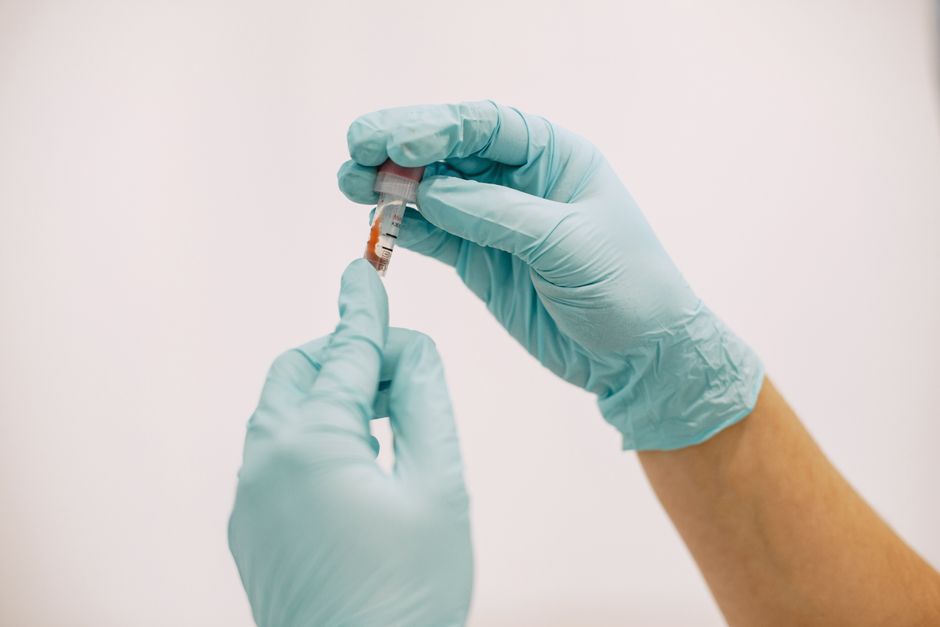
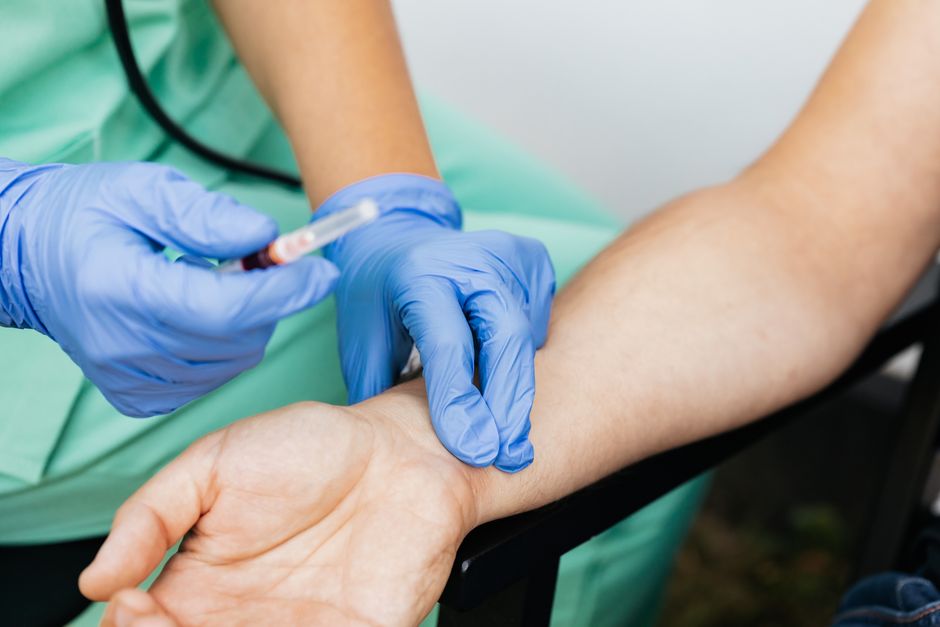
If you were vaccinated as a child or years ago, you may still have full immunity, or you may not. The only way to know is a hepatitis B antibody titer test. That is a simple blood test that checks whether your body still carries enough protection. Some adults vaccinated decades ago retain strong immunity. Others have dropped below the protective threshold.
Expats doing routine health checks, tourists who have had unprotected sex, and anyone who has had a skin-breaking incident with unknown equipment should all be on this list.
Should You Get Tested Before Being Vaccinated
The answer depends on your history. If you have never been vaccinated and have no reason to think you have been exposed, you can start the vaccine course without testing first.
If you were vaccinated years ago and want to know whether protection is still there, a titer test is the right first step. If it shows adequate immunity, you do not need to restart the course. That saves time and money, and it is the clinically correct approach.
If you have had a potential exposure, the relevant test is the hepatitis B surface antigen test, called HBsAg. This checks for active infection, not immunity. A doctor at the Chaweng clinic will advise which test you actually need based on your situation, not a generic protocol.
Hepatitis B Vaccine Schedules Available on Koh Samui
The standard hepatitis B vaccine course is three doses given at zero, one, and six months. After a completed course in a healthy adult, protection is considered long-term and routine boosters are not recommended for most people.
If you are already mid-trip, that is not a problem. An interrupted course does not need to be restarted from scratch. Doctor Samui can administer whichever dose you are up to and provide an internationally recognised vaccination record you can take home.
For people who need faster protection, an accelerated schedule is available. This compresses the first three doses into a shorter window, with a fourth dose at twelve months. It is useful for travellers who did not vaccinate before leaving home. A combined hepatitis A and B vaccine is also available if you need protection against both.
What Happens If Your Hepatitis B Test Comes Back Positive
A positive HBsAg result means the virus is currently in your system. That is not automatically a chronic diagnosis. Acute hepatitis B, meaning a recent infection, often clears on its own in healthy adults. Chronic hepatitis B, where the virus stays in the body for more than six months, is what requires long-term management.
Many people with chronic hepatitis B feel completely normal for years. Symptoms like jaundice, fatigue, or abdominal discomfort may appear, or may not. This is why testing matters even when you feel fine.
If you test positive, the next steps are a viral load test and a liver function panel. Antiviral treatment for chronic hepatitis B does not cure the infection, but it suppresses the virus and reduces the long-term risk of cirrhosis and liver cancer. Monitoring matters just as much as treatment.
Hepatitis B and Sexual Health — When Testing Is Part of a Bigger Picture
Hepatitis B is a sexually transmitted infection. It spreads more efficiently through unprotected sex than HIV does. If you are getting tested after unprotected sex on the island, hepatitis B belongs in that screen, not as an afterthought.
At Doctor Samui, hepatitis B testing is included as part of a broader sexual health screen alongside HIV, syphilis, gonorrhoea, chlamydia, and other STIs. If you are already considering an STI test, leaving hepatitis B out makes no clinical sense.
For people who test negative and are unvaccinated, starting the hepatitis B vaccine course at the same visit is the logical next step. One appointment covers both.
Whether you need a hepatitis B blood test, a titer check to confirm old immunity, a vaccine dose, or advice after a risk event on the island, Doctor Samui can help. Walk in to the Chaweng clinic or book a 24/7 hotel or villa visit anywhere across Koh Samui, including Lamai, Bophut, Maenam, Choeng Mon, and beyond. Same-day appointments are available. Our team speaks English, German, and Hebrew.
Frequently Asked Questions
Dr. Ponlawat Pitsuwan
Physician, Doctor Samui
a walk-in clinic based in Chaweng, Koh Samui, with 24/7 hotel and villa visits across the island. He sees tourists, families, and long-stay expats for hepatitis B testing, vaccination, sexual health screening, and post-exposure assessment following island-specific incidents including motorbike accidents and tattoo-related concerns. His focus is straightforward, evidence-based care delivered in plain language.
