
Clinically reviewed by Dr. Ponlawat Pitsuwan, Physician, Doctor Samui. Last reviewed: September 2026
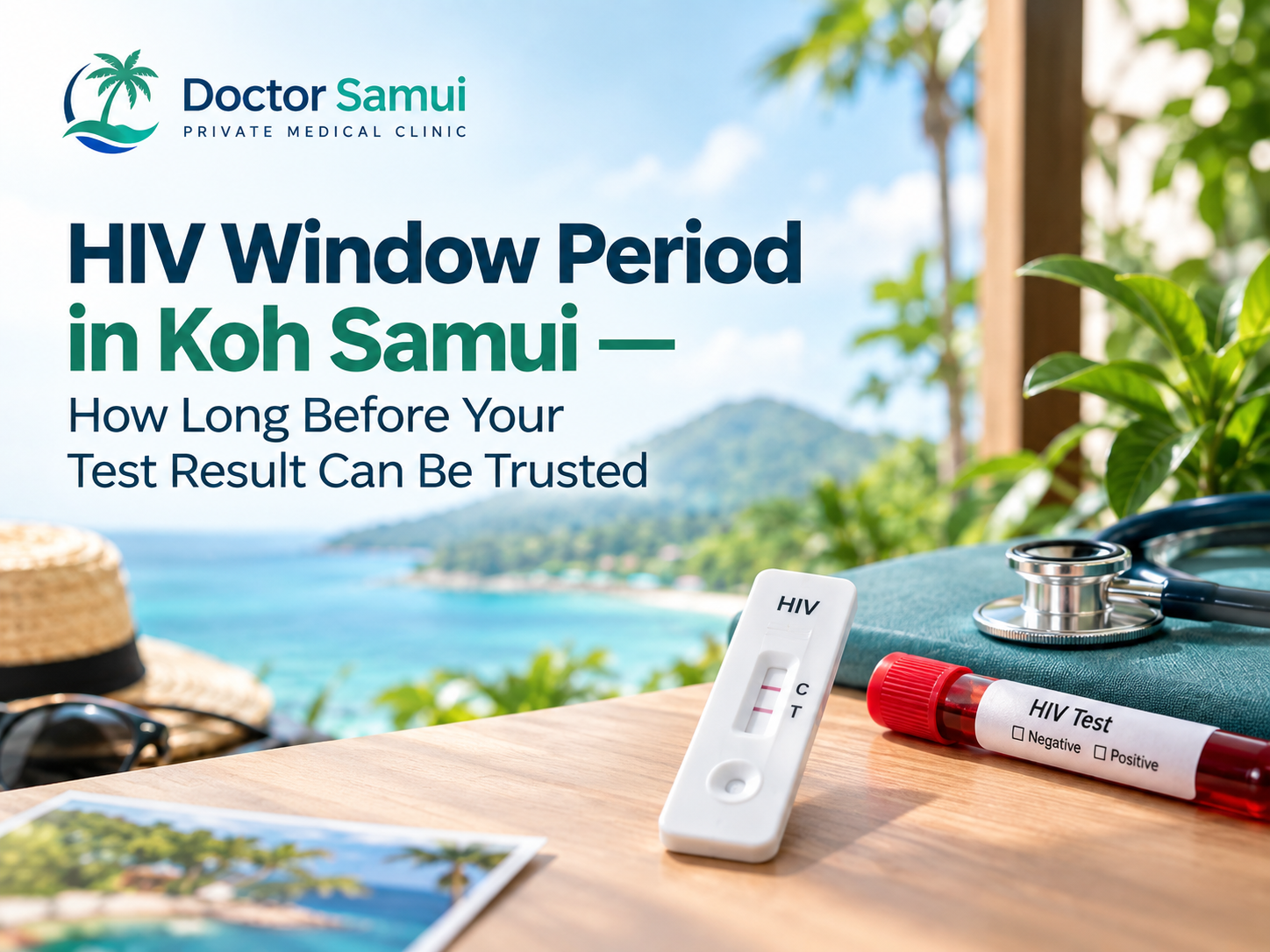
The HIV window period is the gap between exposure and the point where a test gives a reliable result. A 4th generation antigen/antibody lab test can detect most infections from around 28 days, with a conclusive negative at 45 days. An antibody-only or rapid finger-prick test takes longer — up to 90 days for a fully conclusive result. Testing too early gives you a false sense of security. The type of test matters as much as the timing.
You are three nights into your Koh Samui trip and something unexpected happened. Maybe a condom split on the way back from Lamai Beach. Maybe you made a decision you would not usually make. Now it is 2am, you cannot sleep, and every search result gives you a slightly different answer. That anxiety is completely normal, and clear answers do exist. You just need the right ones for your situation, not the generic ones.
The HIV window period is not the same for every test. It depends on the type of test, how the blood is collected, and exactly how many days have passed since your exposure. Getting that calculation wrong means a result can look negative when it is not. This article explains what each test can and cannot tell you, when your result actually means something, and what to do right now if you are still inside that window.
What Actually Happens During the Window Period
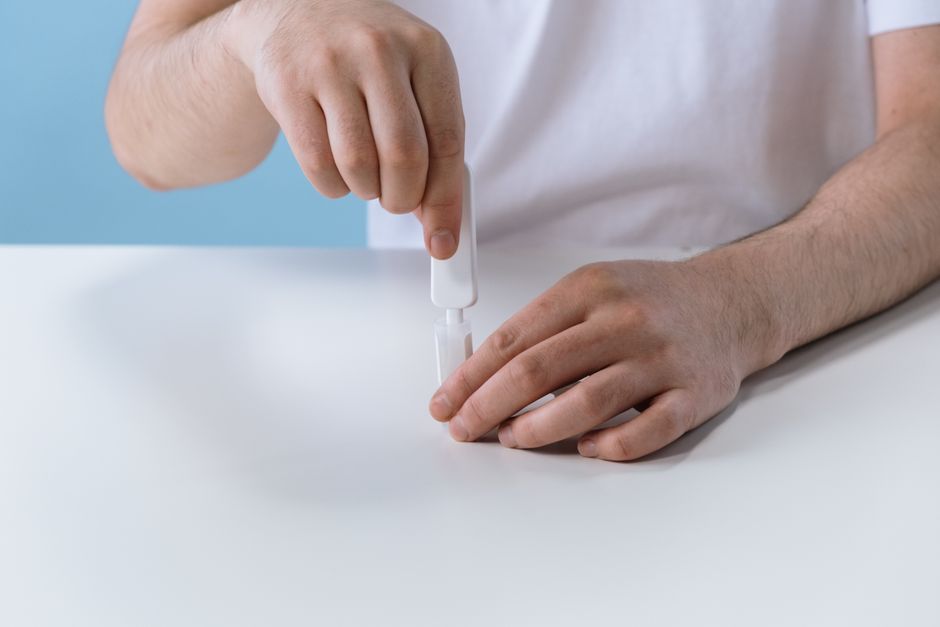
Right after HIV enters your body, the virus multiplies fast but there is not yet enough of it for any test to find. This first stretch, sometimes called the eclipse period, lasts roughly 10 to 14 days. You feel nothing. No test picks anything up. That is not reassuring — it just means it is too early.
After around 10 to 14 days, a protein called p24 antigen builds up enough for a 4th generation test to start detecting it. A few weeks later, your immune system produces antibodies in response. Most people reach this point, called seroconversion, within four to six weeks of exposure.
That sequence matters because different tests look for different things. Some detect antibodies only. Some detect both p24 antigen and antibodies. One looks directly for the virus’s genetic material. Each has a different earliest point at which it gives you a trustworthy result.
HIV Test Window Periods — Which Test, Which Timeline
| Test Type | What It Detects | Earliest Reliable Result | Conclusive Negative |
|---|---|---|---|
| NAT / RNA test | HIV genetic material | 10 to 14 days | 10 to 14 days |
| 4th gen lab test (venous blood) | p24 antigen + antibodies | 28 days (95%+ accuracy) | 45 days |
| 4th gen rapid test (finger prick) | p24 antigen + antibodies | 28 to 35 days | 60 days |
| Antibody-only rapid test | Antibodies only | 45 days | 90 days |
The RNA test detects the virus itself, not your immune response. It is the earliest option and useful when you need a result quickly. It is not always available at walk-in clinics and costs more than standard blood tests. Doctor Samui offers 4th generation venous blood testing and can advise whether an RNA test suits your specific exposure date and risk level.
Does the Type of Blood Sample Change Your Window Period?
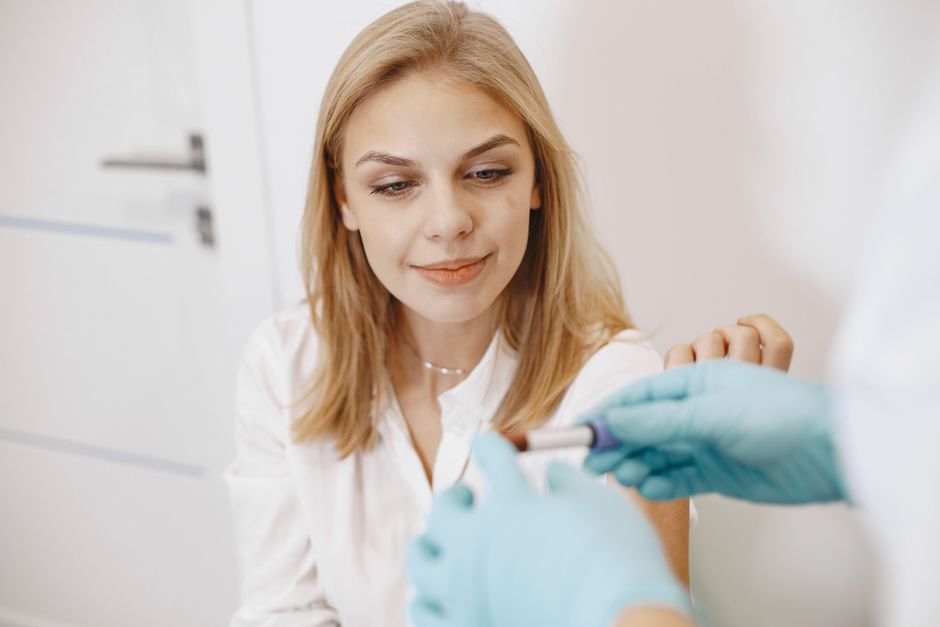
Most patients do not know this, and it genuinely matters. A finger-prick rapid test uses capillary blood from your fingertip. The concentration of both p24 antigen and antibodies is lower in that sample compared to blood drawn from a vein. That means the finger-prick window is slightly longer, and a negative result early in that window is less reliable.
Oral fluid tests have the longest window of all, because antibody levels in saliva are even lower than in capillary blood. If you are testing within the first four to five weeks, a venous blood draw gives you a more accurate result. Always tell the doctor exactly when your exposure happened and ask what sample type is being used.
Can You Trust a Negative Result at 28 Days?
A 4th generation lab test using venous blood at 28 days picks up the large majority of infections. It is a strong, reassuring result. It is not yet fully conclusive. A small number of people take longer to develop detectable levels of p24 antigen and antibodies.
At 45 days with a 4th generation venous blood test, a negative is considered conclusive by most international guidelines, including the CDC. At 90 days, even an antibody-only test is conclusive. If your 28-day result is negative, treat it as encouraging news and return for your confirmatory test at 45 days.
Why the Window Period Matters More on Koh Samui
Thailand has a concentrated HIV epidemic, meaning prevalence is higher in specific groups and settings than in many Western countries. On an island with a large transient tourist population, active nightlife, and a well-documented sex tourism context, the realistic risk of exposure is not the same as it would be at home.
Many patients who come to Doctor Samui are tourists who had an unexpected encounter and fly home within a week or two. That creates a specific problem: your window period is not closed by the time you board the plane. That does not mean you are infected. It means your result at departure may not yet be conclusive, and a follow-up test at home is essential.
We can give you a written clinical summary of your test, exposure timing, and recommended follow-up date to take to your home doctor. That way, nothing falls through the gap between airports.
What to Do Right Now If You Are Still Inside the Window
If it has been fewer than 72 hours since your exposure, PEP is the most urgent conversation. PEP (post-exposure prophylaxis) is a 28-day course of antiretroviral medication that can prevent HIV from establishing itself in your body if started quickly enough. Every hour inside that 72-hour window counts. Do not wait until morning.
If PEP is no longer an option because more than 72 hours have passed, your next step is working out the right test and the right timing. Testing too early wastes your time and money. A negative result before the window closes tells you very little. Testing at the right point, with the right test type, gives you a result you can act on.
While you wait, practice safe sex. If you develop fever, sore throat, rash, or swollen glands in the first two to four weeks after exposure, come in. Those can be early signs of acute HIV infection and are worth ruling out even if they turn out to be something else.
How We Work Out Which Test Is Right for Your Timing
When you come in, the first questions are simple: the exact date of exposure, the nature of the risk, and what type of contact it was. That is not bureaucracy. It is how we work out which test gives you a meaningful result today versus which one you need to wait for.
At day 14 with high anxiety, an RNA test may be the right move rather than asking you to wait another two weeks. At day 30 with a clear high-risk exposure, a 4th generation venous blood draw makes sense now with a confirmatory test at 45 days. At day 50 with no symptoms and a lower-risk exposure, one good antigen/antibody test through our sexual health service may be all you need.
Doctor Samui also offers 24/7 hotel and villa visits across Chaweng, Lamai, Bophut, Maenam, and the rest of the island. If you are not ready to walk into a clinic, we come to you. Every consultation is confidential.
If you are worried about a recent exposure or want to know whether it is the right time to test, Doctor Samui can help. We offer confidential HIV testing with 4th generation blood tests, same-day results where available, and 24/7 hotel and villa visits across Koh Samui. Walk in to our Chaweng clinic or book a visit to your accommodation. We will assess your exposure timing, recommend the right test, discuss PEP if you are within 72 hours, and arrange a follow-up schedule before you leave the island.
Frequently Asked Questions
Dr. Ponlawat Pitsuwan
Physician, Doctor Samui
a walk-in clinic based in Chaweng, Koh Samui, with 24/7 hotel and villa visits across the island. He sees tourists, families, and long-stay expats for HIV and STI testing, PEP and PrEP consultations, and sexual health concerns following exposures on the island. His focus is straightforward, evidence-based care delivered in plain language.
